A cluster of 2026 buying guides for field inspection software keep drawing the same hard line: there is "offline," and there is fake offline. The difference only shows up once, in the field, at the worst possible moment.
The failure mode nobody notices until it's too late
Fake offline looks fine in a demo. The form fills in, the fields save, the app feels responsive. The problem shows up at submit time: the record needs a live connection to actually reach the server, so it queues silently, or worse, fails without telling the inspector. They walk off the site assuming the inspection is logged. It isn't, until someone notices the gap during an audit.
What actually has to work with the radio off
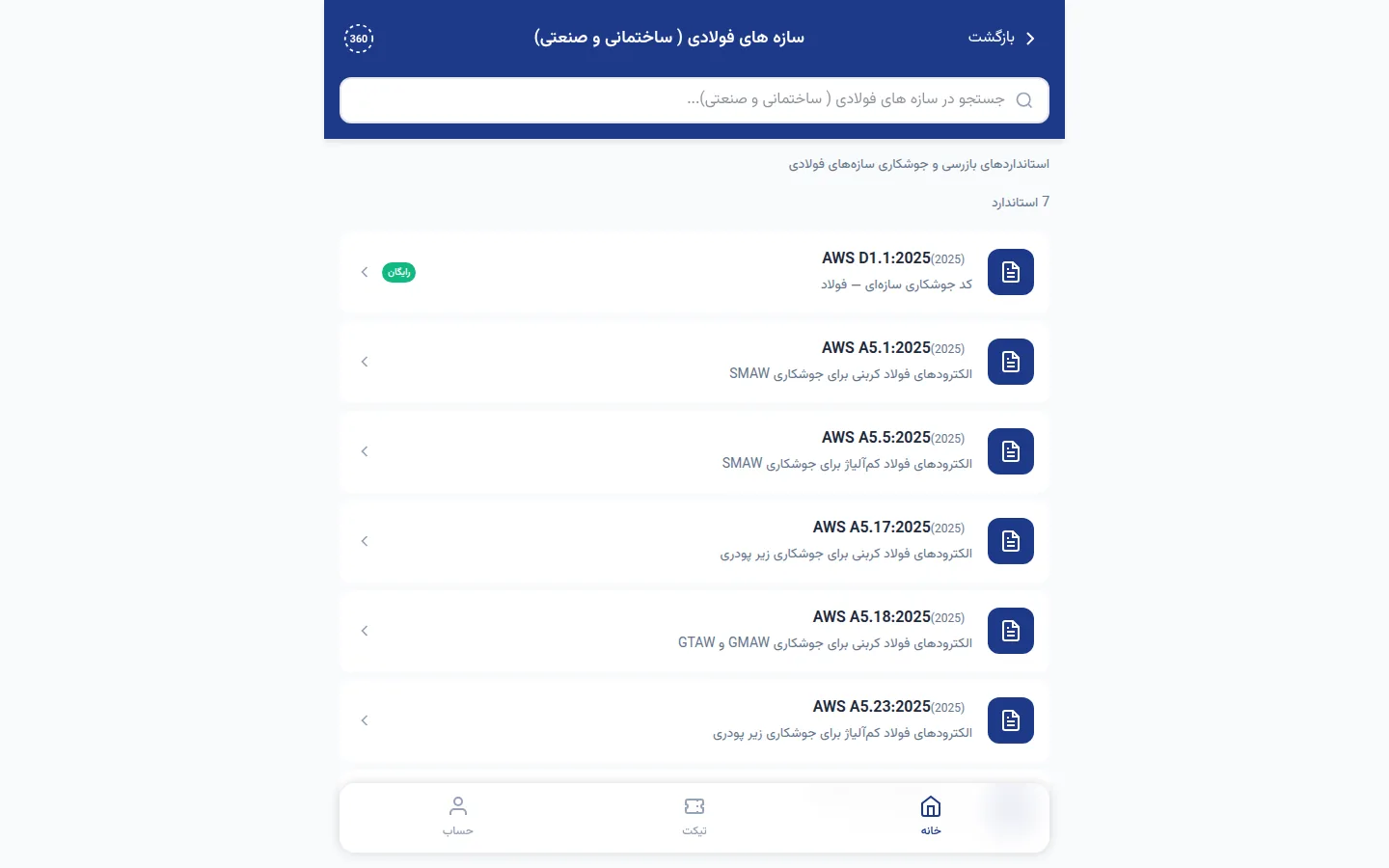
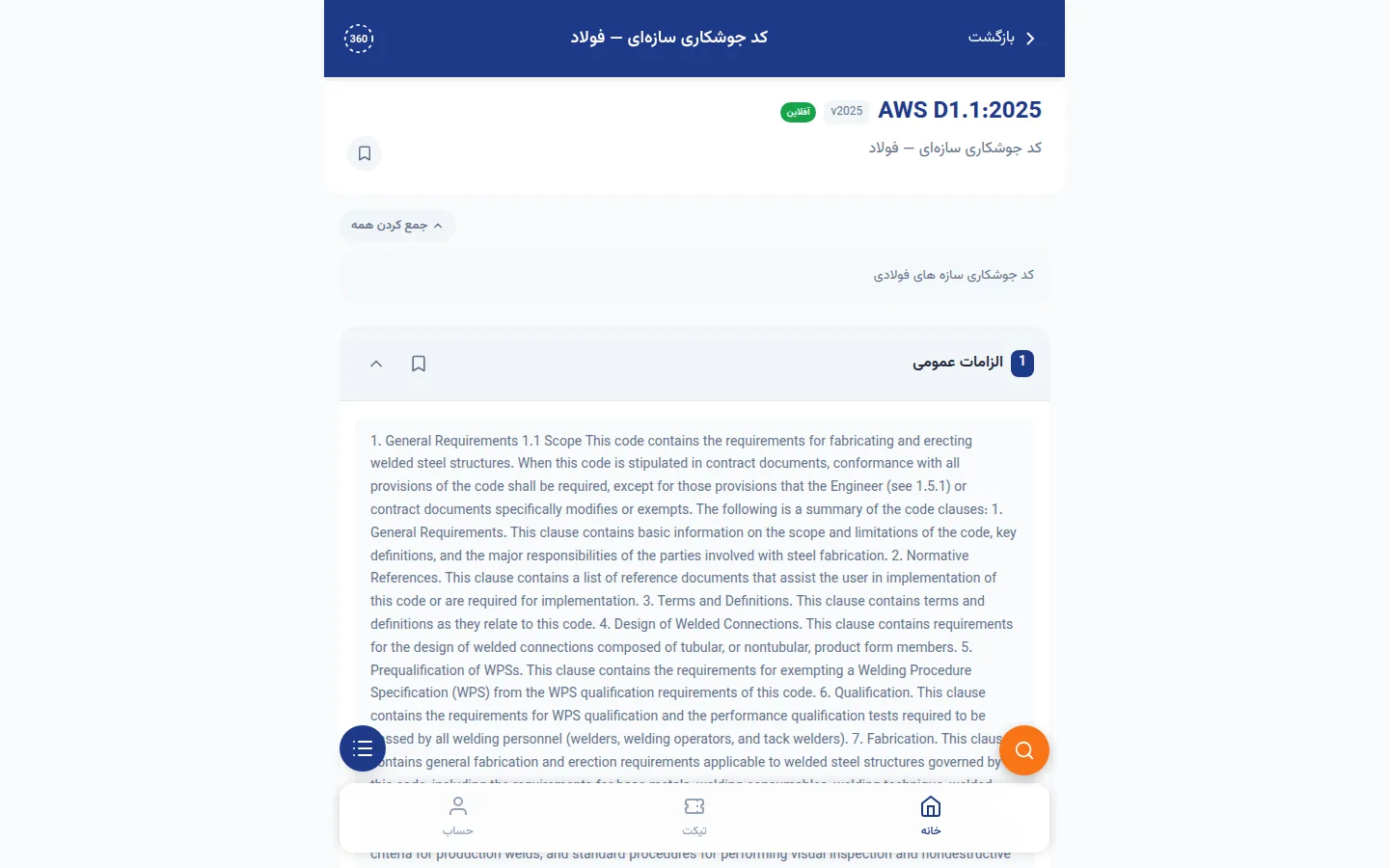
True offline means every step of the workflow - not just the form - keeps working with no signal: creating a new inspection, capturing photos and GPS, searching and referencing the applicable standard, bookmarking a clause for later, and syncing automatically the moment the connection comes back. Probe361 is built this way on purpose: a service worker caches the app shell, and the standards text itself (AWS, API, ASME clauses) lives in IndexedDB on the device, so full-text search and clause lookup work with the phone in airplane mode, not just a static "last viewed page."
If you need the same offline-first behaviour in your own field app, our mobile app development service builds installable PWAs and Android apps on this pattern: local storage first, background sync when the signal returns.
What does offline sync actually mean in inspection apps?
It means the device is the first place a record is written, and the server is the second. When the inspector taps save, the inspection, its photos and its GPS fix go into local storage on the phone (IndexedDB in a web app), plus an outbox entry saying "this still has to be sent". Nothing waits for a network. When a connection comes back, the app works through that outbox and only marks a record as synced after the server confirms it has it.
Most failures come from the details around that loop. A record needs an ID created on the device, so a retry after a dropped connection updates the same inspection instead of creating a second one. Photos are far bigger than form data and often fail halfway, so they need to upload and retry on their own. A login token can expire while the phone is offline, and the app has to refresh it and carry on rather than throw away the queue. If two people edit the same record, someone has to decide which version wins, and "last write wins" quietly deletes one person's work. Browsers can also clear site storage under pressure unless the app asks for persistent storage. And the inspector should be able to see, per record, whether it has actually reached the server.
Persian-language access is its own offline problem
Most inspectors' actual alternative isn't another app - it's the official standards portals themselves (IEC, BSI, ISO), which are English-only web portals with no offline mode at all. For a Persian-speaking welding inspector on a site with no signal, that's a bigger daily obstacle than most vendor comparisons even mention when they talk about "offline support."
None of this is a knock on cached-form tools - they solve a real problem for a lot of field work. But for standards lookup specifically, where the actual content (not just a form) has to be searchable and correct with zero connectivity, the distinction between caching a page and shipping the data itself is the whole ballgame.
Offline access matters even more when inspectors pay for the tool themselves, as we explained in why a personally-paid reference tool has to earn its renewal.
Frequently asked questions
What is fake offline in inspection apps?
An app that fills and saves forms without signal but needs a live connection for the record to reach the server. At submit time it queues silently, or fails without telling the inspector, who leaves the site thinking the inspection is logged. The gap often surfaces only during an audit.
What does offline sync actually mean in inspection apps?
The device is the first place a record is written and the server is the second. On save, the inspection, photos and GPS go into local storage with an outbox entry. When a connection returns, the app works through the outbox and marks a record synced only after the server confirms it.
Why do offline inspection apps lose or duplicate records?
Usually the details around the sync loop. Without a device-created ID, a retry can create a second inspection. Large photos fail halfway and need separate retries. Login tokens expire offline. Last write wins quietly deletes one person's edits, and browsers can clear storage unless the app requests persistent storage.