Blog
Insights, tutorials, and updates from the Fanpino team.
98% Connected, 23.7% Smart: Iran's Smart-Government Gap Sits Behind the Window
As reported by ANA, almost every Iranian agency is connected to the national services window, but only 23.7% of services are smart. Five places work stalls, and a one-week test.
EDUCAUSE 2027 Top 10: AI Is No. 1. A Small Way to Find Where It Pays Off
The 2027 EDUCAUSE Top 10 opens with "Determining where AI adds real value". A four-week, one-office test built on questions that already have written answers.
Factory Forward UAE: What a Steel Fabricator Can Show in a One-Day ITTI Assessment
MoIAT's Factory Forward UAE starts with a one-day ITTI assessment. Five questions that show whether a fabrication shop can prove what it does, and a free two-week rehearsal.
Start of Term: Why Student Requests Pile Up Every Autumn and What a Real Single Service Window Fixes
Enrolment certificates, housing, add/drop and loans all land in the same few weeks. Why the real problem is scatter, not volume, what a single service window needs, and four things to set up before next term.
Phishing That Survives MFA: What Microsoft's 2026 Digital Defense Report Means for Company Email
Microsoft's new report puts phishing at 23% of intrusions, up from 7%, and AiTM kits at 44.6% of phishing. Why SMS and app codes don't stop it, the QR-in-PDF trick, and five fixes for this quarter.
Where Do Your Support Tickets Live? Help Desk Data Residency Under the UAE and Saudi Data Protection Laws
Help desks hold ID scans, addresses and HR notes. What the UAE PDPL and Saudi PDPL actually say about transfers abroad, retention and 72-hour breach notice, and six decisions for whoever runs support.
Piece-Mark Barcode Tracking in Steel Fabrication: From Cutting to Dispatch Without Retyping Marks
Why painted marks and typed entries cause errors at every station, one label per physical piece, Code 128 versus QR on a shop floor, scanning when the network drops, and a two-week rollout plan.
The UAE Wants Half Its Government Services on AI Agents. What Should a Company Help Desk Copy?
The UAE's agentic AI programme and its August 2026 service design guide rest on one idea: the customer should not have to find who owns their problem. Gartner's new numbers show why the human exit still matters, and six things a Gulf service desk can copy now.
What Is a Helpdesk? A Practical Guide to Choosing Helpdesk Software
What a helpdesk is made of, why business-hour SLAs and a knowledge base matter, and how to choose between cloud and self-hosted when data residency, connectivity and right-to-left languages are on the table. With a checklist to take into the demo.
EU CBAM for Gulf Steel Fabricators: The Data You Owe Before September 2027
Steel structures under CN 7308 are already inside EU CBAM, the first paid declaration is due 30 September 2027, and a downstream extension is being voted this autumn. For a fabricator, the real work is tonnage by mill per shipment.
Planning a Steel Fabrication Shop Around Scheduled Power Cuts
When the grid publishes cut days, they become a planning input. How to sort shop work by power need, plan the week backwards from the cut day, keep erection sequence as the priority and keep recording when the power is off.
Probe361 vs PDF Libraries vs ASTM Compass and Techstreet: Standards on Site
For an inspector who needs a clause offline, in Persian and English, on the right edition: how a PDF folder, ASTM Compass, Accuris (Techstreet) and Probe361 compare, including where the big platforms are clearly better.
FanMail vs Google Workspace vs Zoho Mail: Cost, Data Control and Offline Use
Real list prices at 50, 500 and 5,000 mailboxes, where each provider keeps your data, what still works without internet, and the places where Google and Zoho are simply the better choice.
Malicious MCP Servers: What Deadbugz Taught Us About Auditing Our AI Agent Setup
In August a malicious MCP server behaved normally for three tool calls, then told AI agents to hunt for SSH keys and cloud credentials. We audited our own Claude Code setup against it and found four problems. Here is the checklist.
UAE E-Invoicing: What to Fix Before the 30 October ASP Deadline
Large UAE businesses must appoint an e-invoicing ASP by 30 October 2026 and go live on 1 January 2027. Choosing the ASP is the easy part. What breaks is on your side: every invoice source, retries, rejections and master data.
ISO 9001:2026 Is Out: What Changed and a 90-Day Transition Plan
ISO 9001:2026 was published on 16 September 2026. Same structure, new requirements on quality culture, ethics, risks vs opportunities and climate. Deadlines, the translation trap, and a 90-day plan.
Keeping Business Systems Running Through a National Internet Shutdown
Iran's international link was down for 88 days in 2026. What an offline server taught us about email, sign-in, TLS certificates and AI features that quietly depend on the outside world.
Outlook 550 5.7.515 on a Self-Hosted Mail Server: What to Check Before You Touch DNS
Outlook.com now rejects mail that fails its SPF, DKIM and DMARC rules with 550 5.7.515. Here's the order we check things on our own mail servers, and the time a confident SPF diagnosis turned out to be wrong.

Mailcow vs Stalwart vs Mailu at 10,000 Mailboxes: What Holds Up in Production
We run Stalwart for 10,000 university mailboxes. Here is what that taught us, next to what mailcow's and Mailu's own docs say about clustering, storage, footprint and paid features.
Digital Product Passports for Steel: What Fabricators Actually Need to Track
The EU DPP registry went live in July 2026, but the iron and steel delegated act is still a draft. What the JRC proposal says the steel passport will hold, why the obligation sits with mills, and what fabricators should record now.
Exchange 2016/2019 Updates End in October 2026: A Self-Hosted Exit Plan
Exchange 2016 and 2019 support ended October 14, 2025, and the last paid ESU window closes at the end of October 2026. The real options, and what we learned moving 10,000 mailboxes to self-hosted Stalwart.
RPI in Practice: Research, Plan, Implement with Claude Code Subagents
Part two of our RPI series: how we actually run Research, Plan, Implement with Claude Code subagents on a multi-product monorepo, and the incidents that taught us to give every agent an owner and a real check.
Connecting an Organization's System to Dolat-e Man SSO: How It Works in Practice
A practical guide to Dolat-e Man sign-in for organizations: direct vs SSO broker, the OAuth flow step by step, what data comes back, and the mistake we made after launch.

What Is MES? A Plain-Language Guide for Steel Fabricators
What a manufacturing execution system does, where it sits next to ERP in ISA-95, and what it looks like in a structural steel shop: Tekla-to-BOM, heat traceability, offline floor tablets and linked weld QC.

The Search Console Warning That Wasn't About Our Site
79 URLs in a Search Console bucket we'd written off as harmless turned out to be an old subdomain with an expired certificate. The fix was deleting one DNS record.
A Bug Report That Didn't Quite Reproduce, and Why We Fixed It Anyway
A researcher reported a stored-XSS path through PDF attachments in FanDesk tickets. The exact path likely didn't reproduce as described — we hardened the code anyway.

A Quarter of Our "Direct" Traffic Was a Bot, and Analytics Never Said So
Our Direct channel's engagement rate looked mediocre for weeks. The real number was 12 points higher, once we found and excluded the traffic that was never a visitor.
Why We Send Container Logs to stdout, Not Files
A routine nginx rebuild wiped evidence we didn't know we needed. The fix was two lines, but finding out we needed it took longer than it should have.
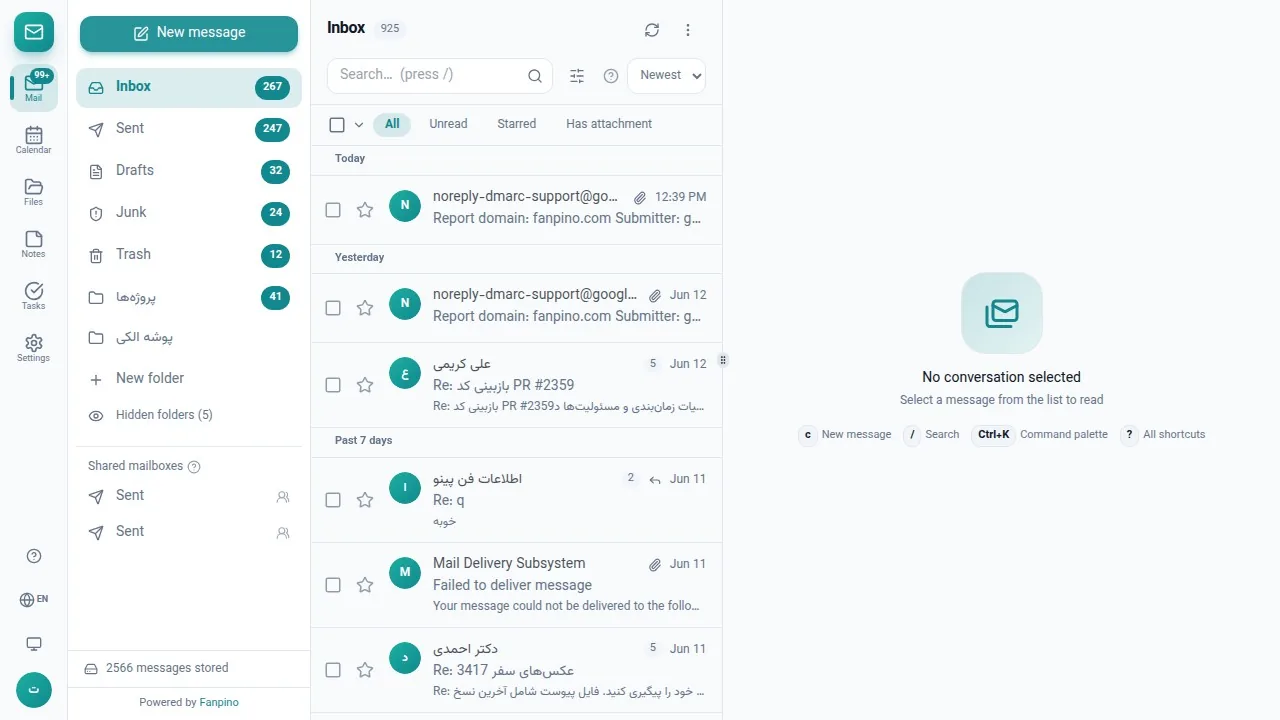
How a University Cut Its Email Bill by 90% — and What Else We Shipped While Doing It
Lorestan University cut its annual email bill from roughly $70,000 to under $4,000 by migrating 10,000 mailboxes to a self-hosted Stalwart server. That project shipped alongside twelve other products, all through the same zero-downtime deploy pipeline — real commit numbers, no survey data.
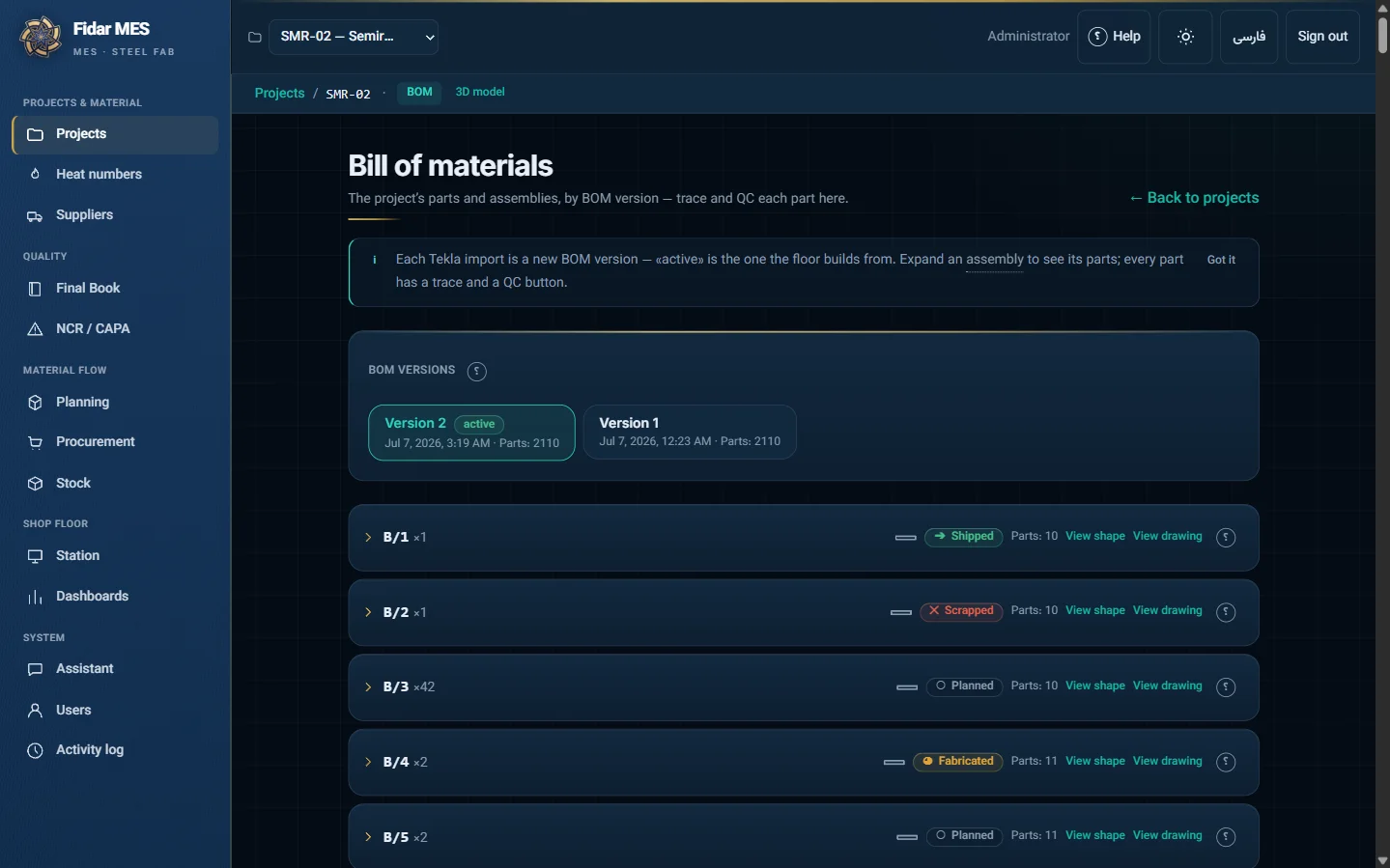
No Manual Re-Entry: Why Fidar Pulls the BOM Straight From the Tekla Model
Every manual re-entry of a Tekla model's part list into a spreadsheet BOM is a chance for drift. Fidar's Tekla plugin makes the BOM a mechanical consequence of the model, not a separate task.
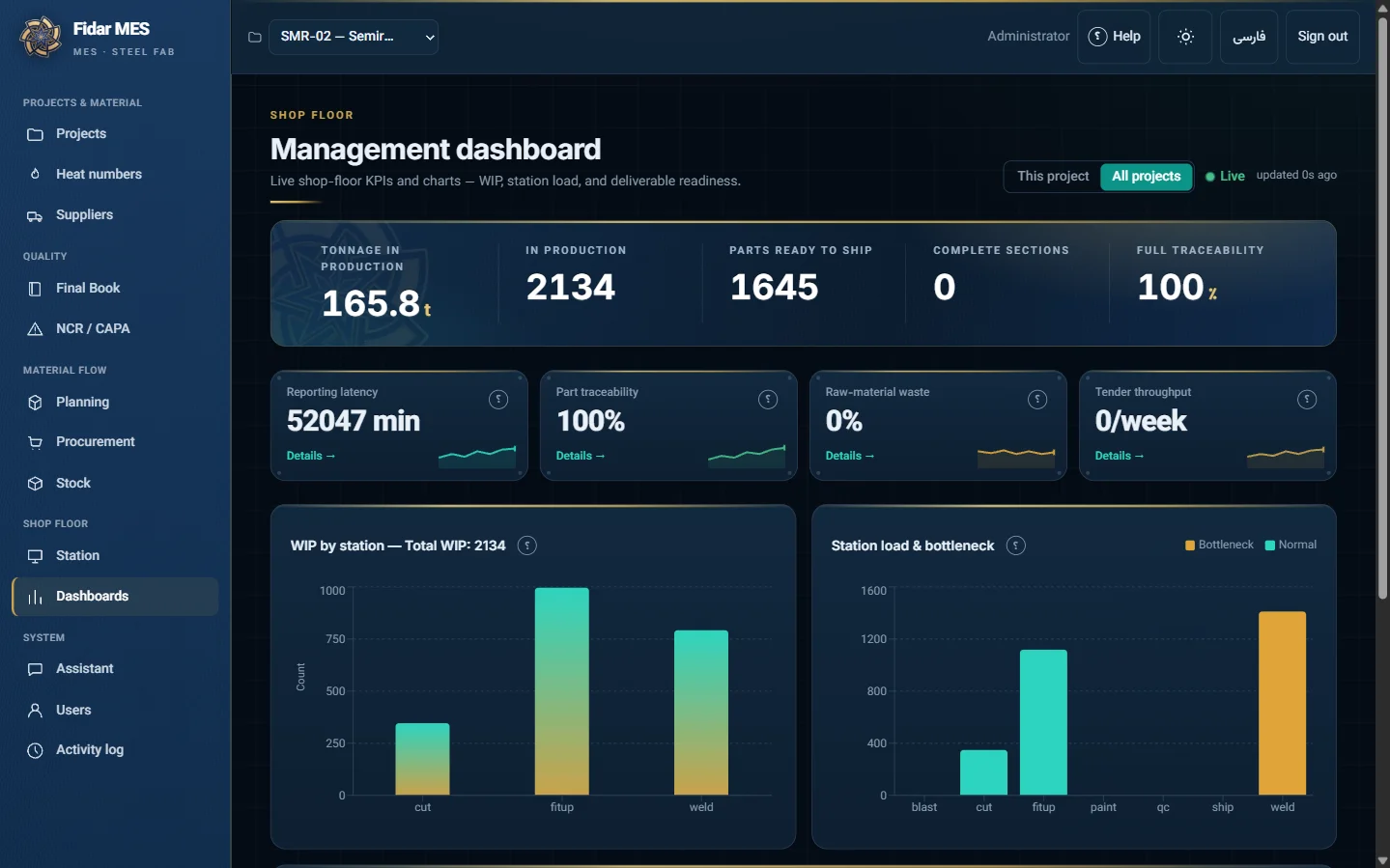
Linked by Default: Why Fidar Ties WPS-WPQ, NDT, and NCR/CAPA to Every Part
Welder qualification, procedure approval, and inspection results usually sit in three disconnected records. Fidar keeps them linked to every part from the start, so an audit or a failure doesn't require manual reconstruction.
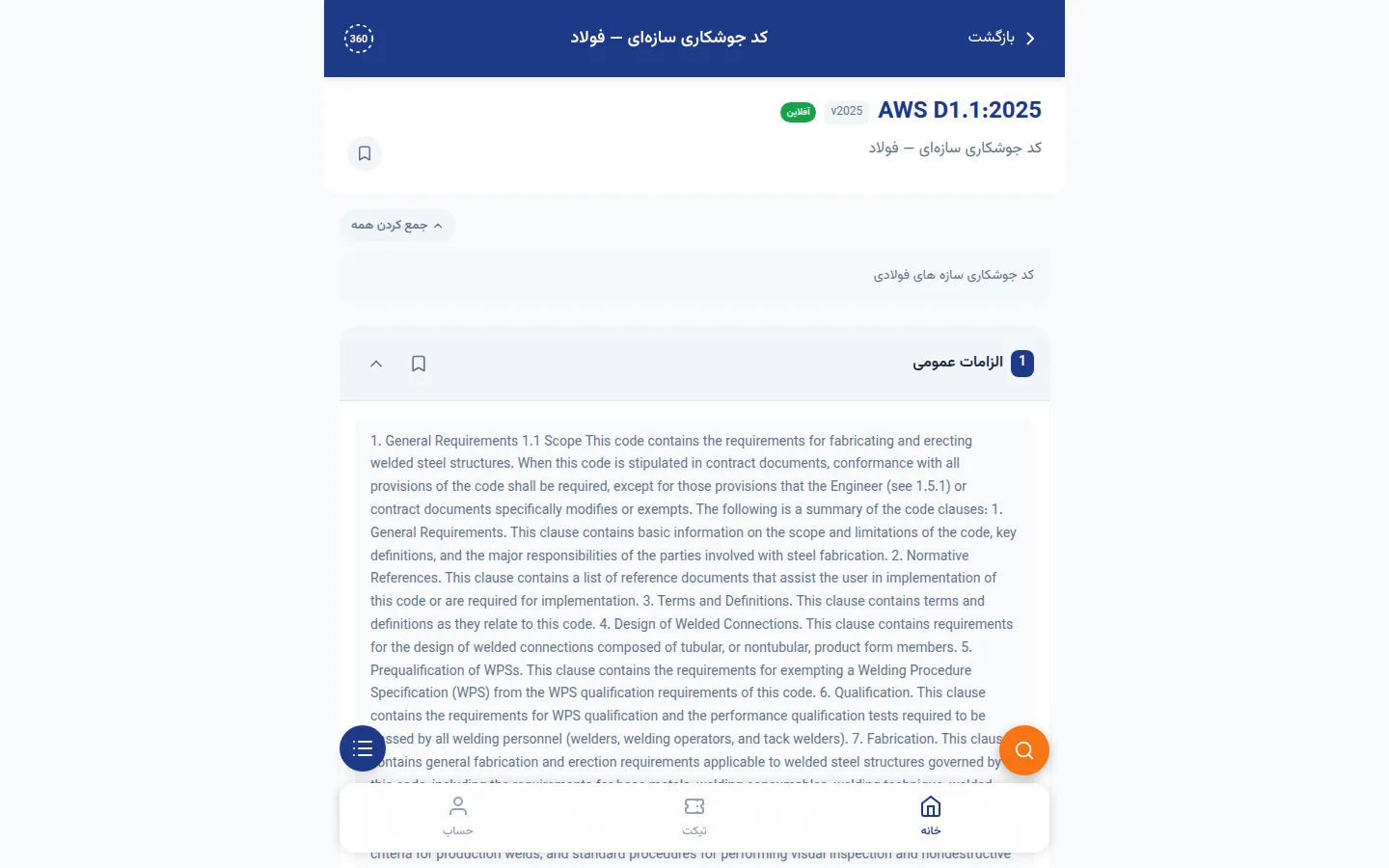
Bilingual Standards, Not Informal Translation: Why Probe361 Maintains Persian Content Clause-by-Clause
An informal WhatsApp translation of a welding standard drifts from reality every time a revision ships. Probe361 maintains clause-by-clause Persian translations mapped to the exact original clause.
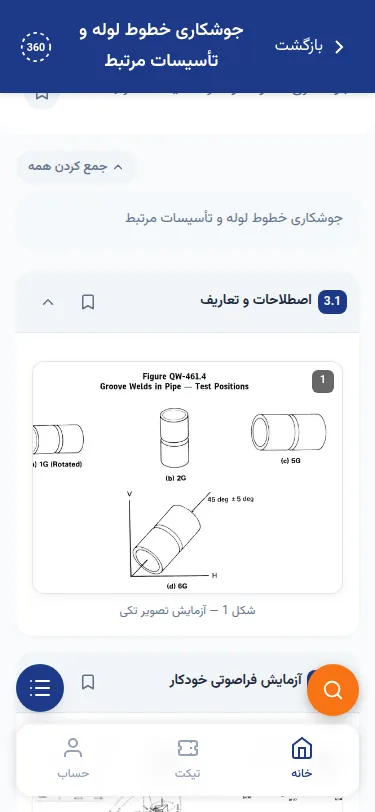
Why a Personally-Paid Reference Tool Has to Earn Its Renewal, Every Time
Enterprise software gets adopted top-down. A tool an inspector subscribes to personally has to earn its renewal on a job site with no signal — which is why offline favorites matter more than any feature list.
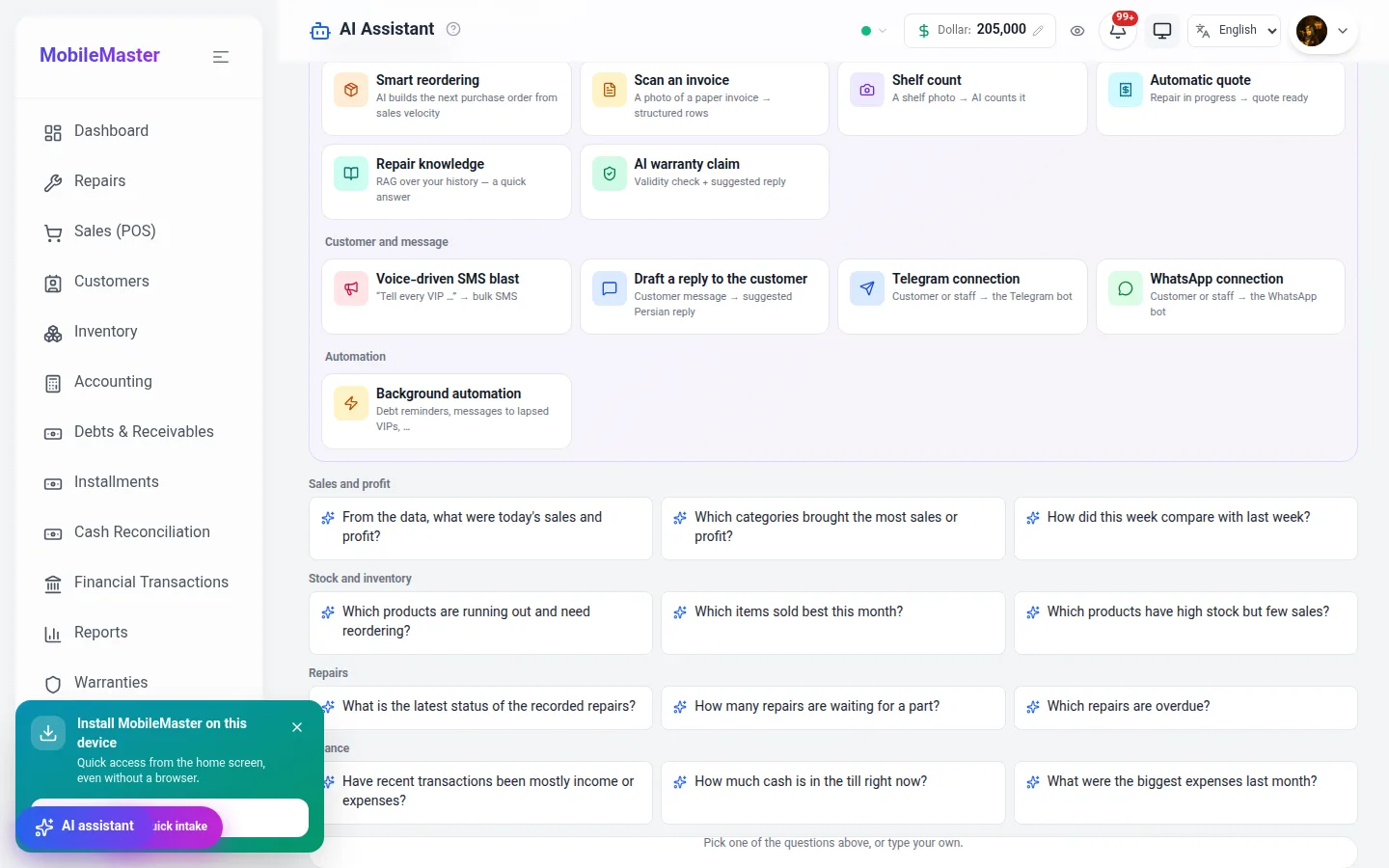
A Repair Quote in Seconds, Not a Guess: AI-Assisted Diagnostics in Mobile Master
A counter quote is usually a tech's memory of similar repairs — accurate often enough to matter when it's wrong. Mobile Master grounds AI-suggested quotes in the shop's own repair history, not an industry average.

Multi-Location Repair Shops: Why Data Isolation Matters Before You Need It
A spreadsheet survives one repair shop location. The second branch is where per-shop data isolation, role-based access, and audit logs stop being nice-to-have and start preventing real disputes.
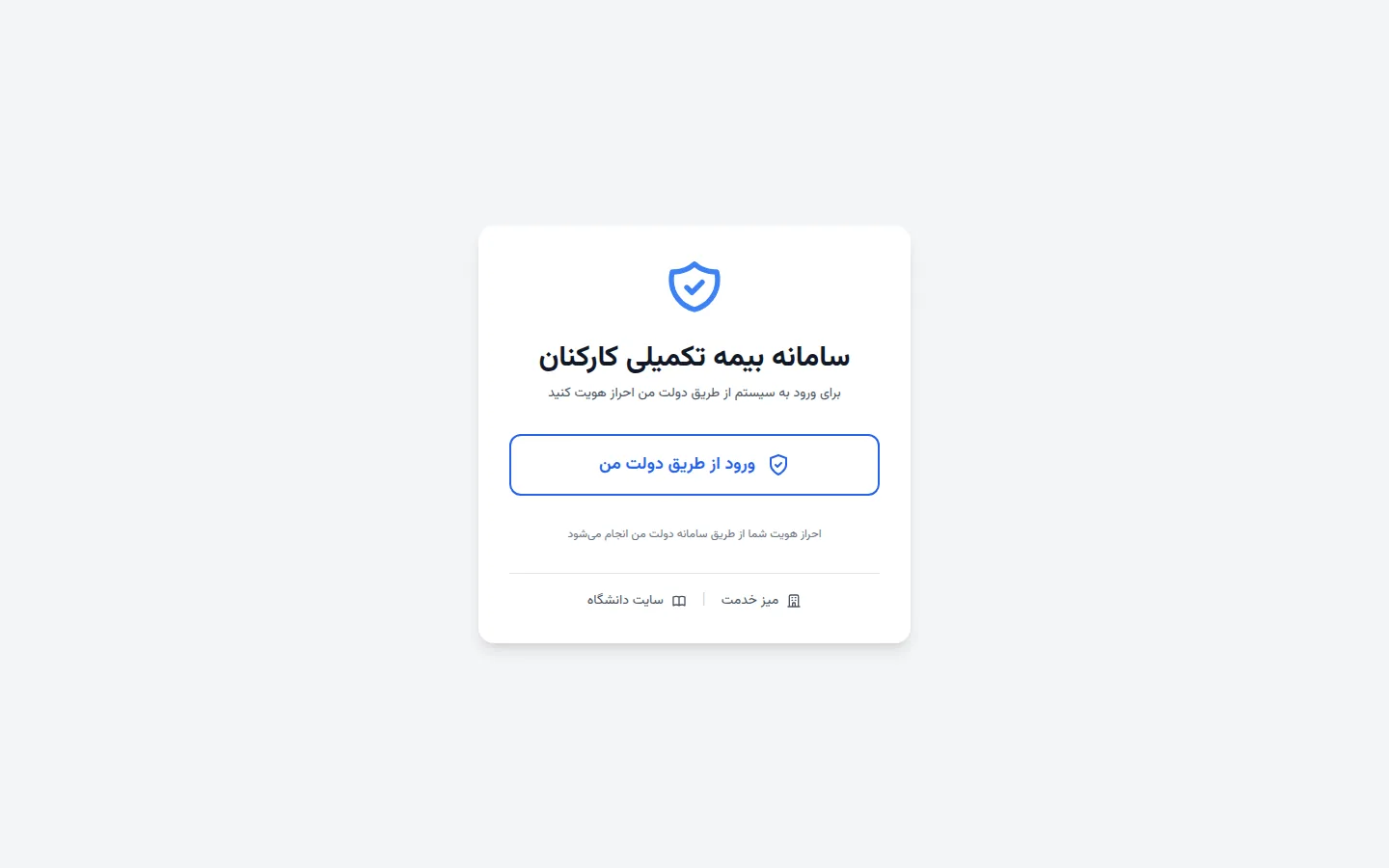
Why FanCover Runs as Its Own Isolated Service, Not a CMS Module
Staff insurance data shouldn't share a trust boundary with a public website's CMS. FanCover runs as its own service with a dedicated database and national-identity login instead of a password.
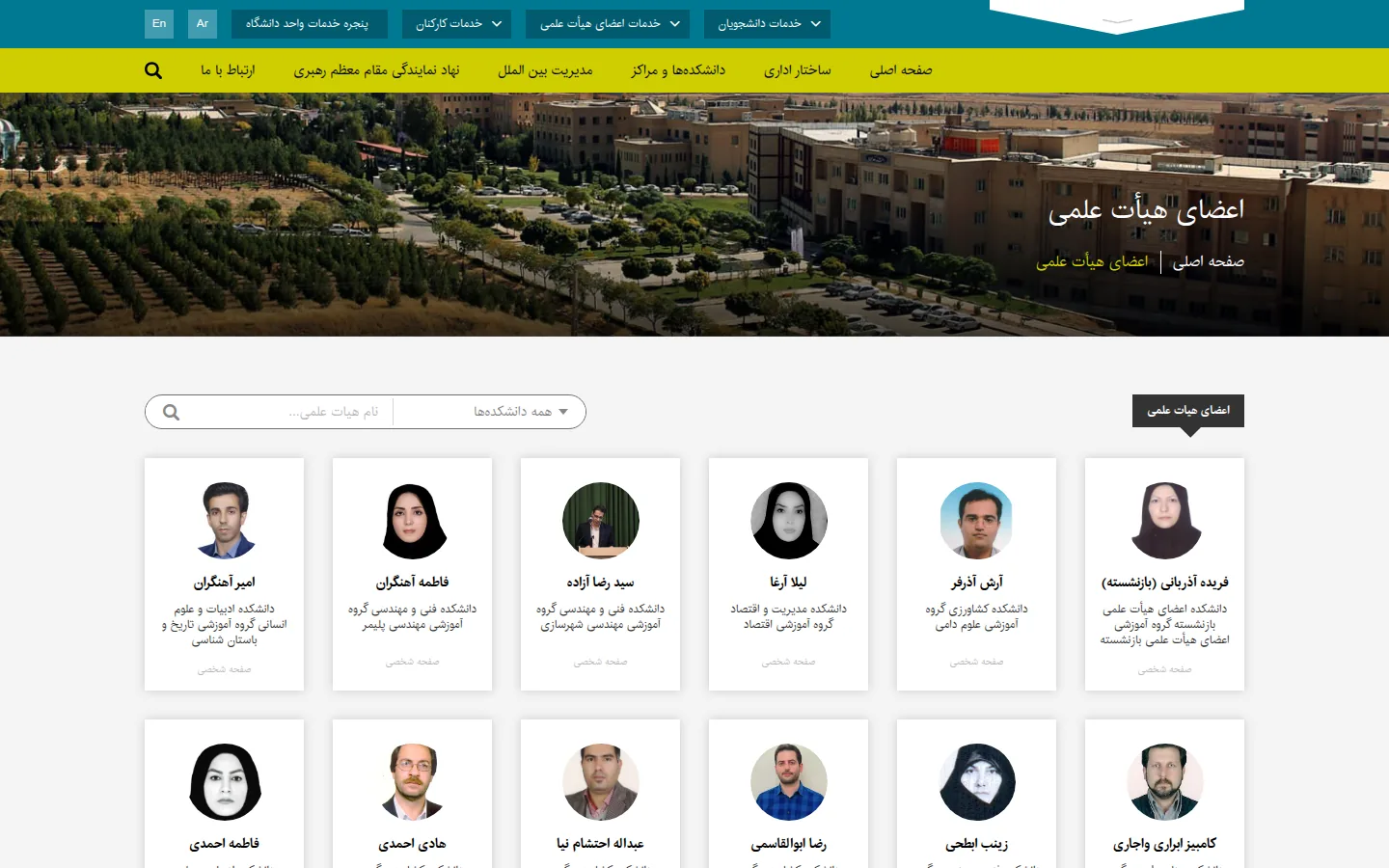
FanProfile: Why a Faculty Directory Gets Its Own App, Not a CMS Page Type
A public faculty directory has a different audience, traffic shape, and permission model than a CMS admin panel. FanProfile is its own REST API for exactly that reason.
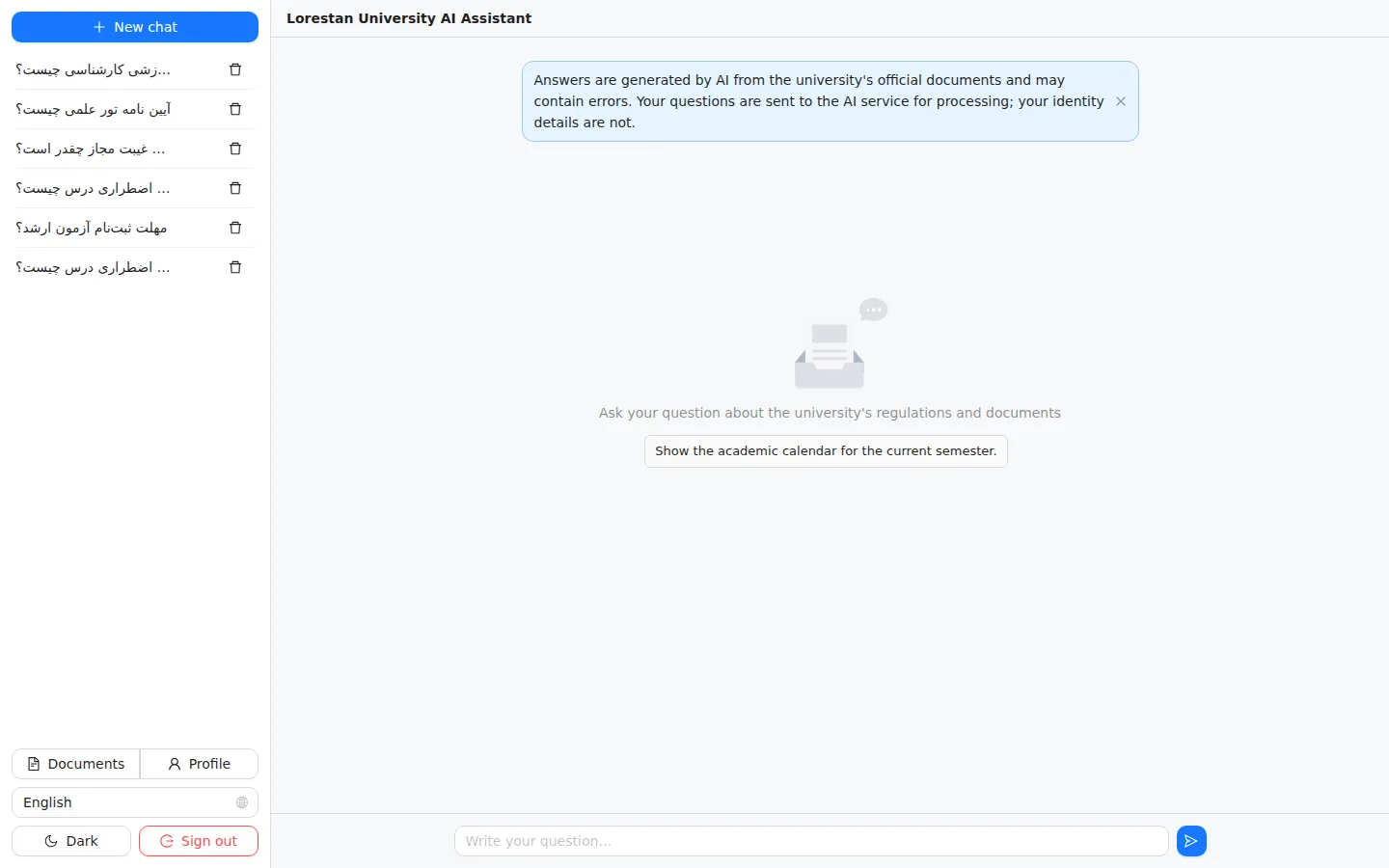
On-Premise or Cloud? Why FanMind Doesn't Force One Answer
Where an AI assistant's model runs is a governance question that depends on what's in the documents, not a technical preference. FanMind supports both on-premise and cloud so the decision follows the data.
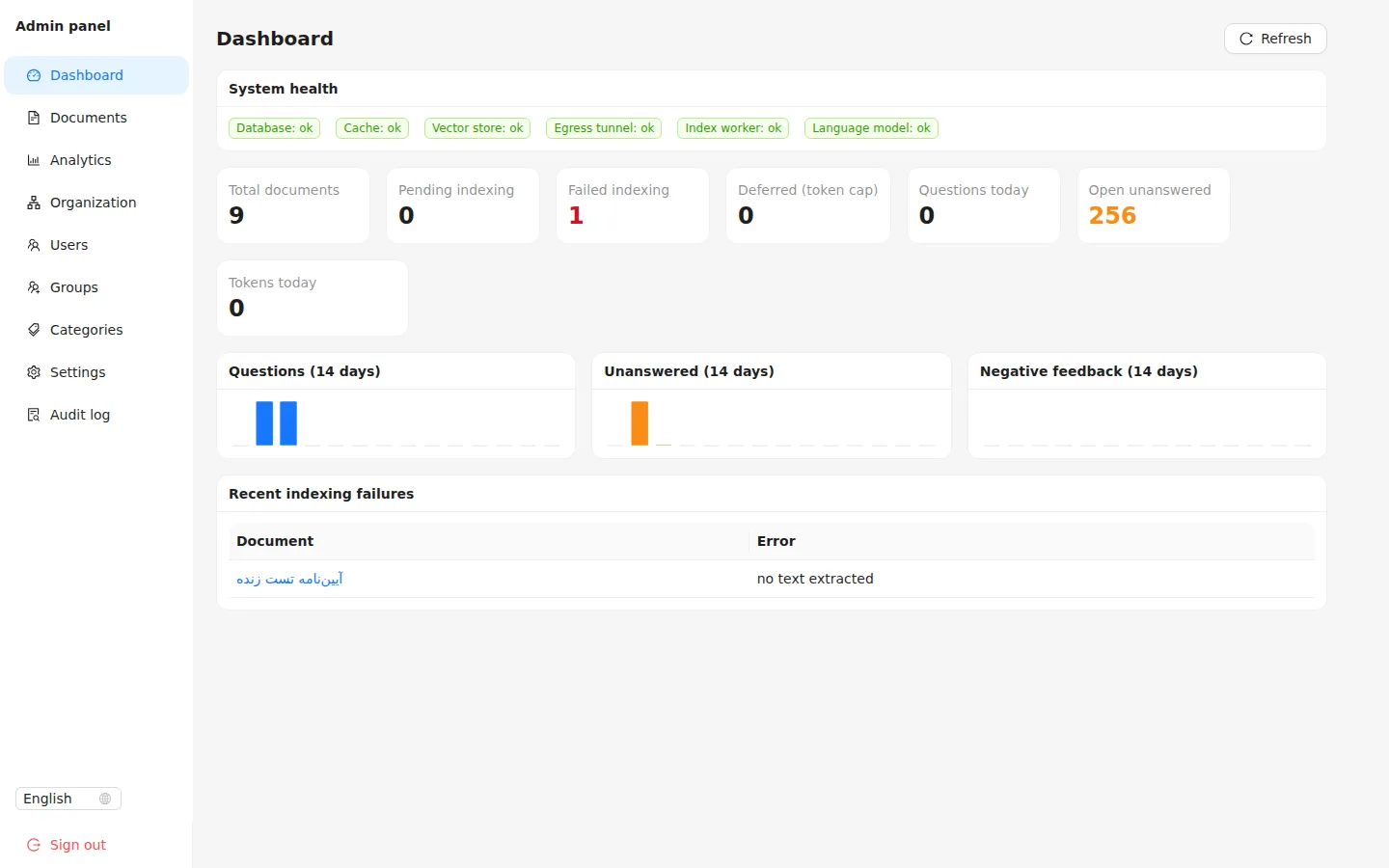
Single Sign-On Decides Whether an Institutional AI Assistant Gets Adopted
PwC found 79% of companies adopting AI agents, but two-thirds of executives said fewer than half their staff use them. The gap is trust, not model quality. FanMind logs in through the org's existing national identity provider instead of one more password.
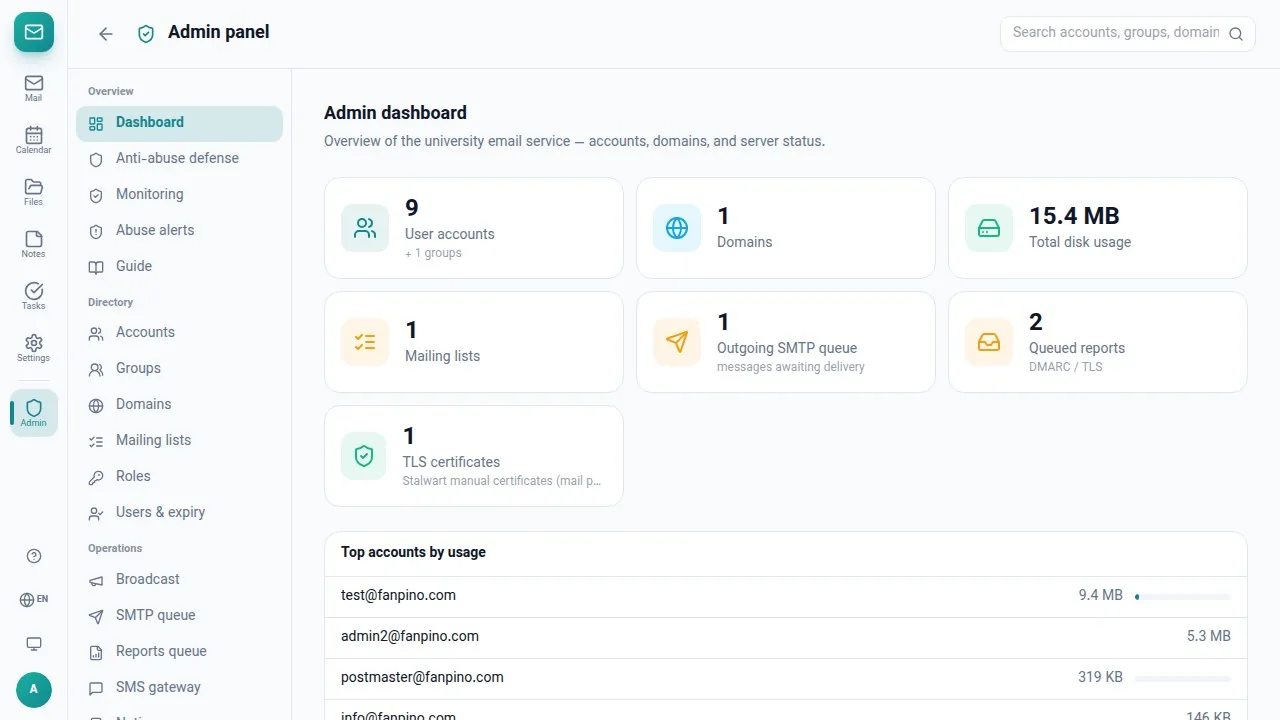
SMS Login, Not Just an Authenticator App: FanMail's Local-Market Security
Commercial webmail assumes everyone has an authenticator app set up. FanMail supports SMS OTP/2FA and email-to-SMS notifications as first-class features — because that's what actually gets 2FA adopted at 10,000-user scale.
JMAP, Not IMAP: Why FanMail's Webmail Doesn't Feel Like Webmail
Most webmail still runs on IMAP, a 1986 protocol never designed for a web client. FanMail runs JMAP end to end via Stalwart Mail Server — here's what that changes at 10,000-mailbox scale.
Docker-First and Self-Hosted: Owning Your Content Infrastructure
Fanpino CMS ships as containers you run yourself, with JWT + Google OAuth2 and role-based access control — infrastructure decisions stay with the team that owns the product.
SEO and Marketing for Bilingual Sites: What Fanpino CMS Builds In
SEO across two languages isn't 'SEO twice' — it's per-language meta tags, clean slugs, and pricing that matches search intent. Here's what's built in by default.

Fanpino CMS: A Bilingual Content Platform Built for RTL From Day One
Most multilingual sites bolt Persian onto an English CMS as an afterthought. Fanpino CMS builds en/fa fields into every content model from the schema up.
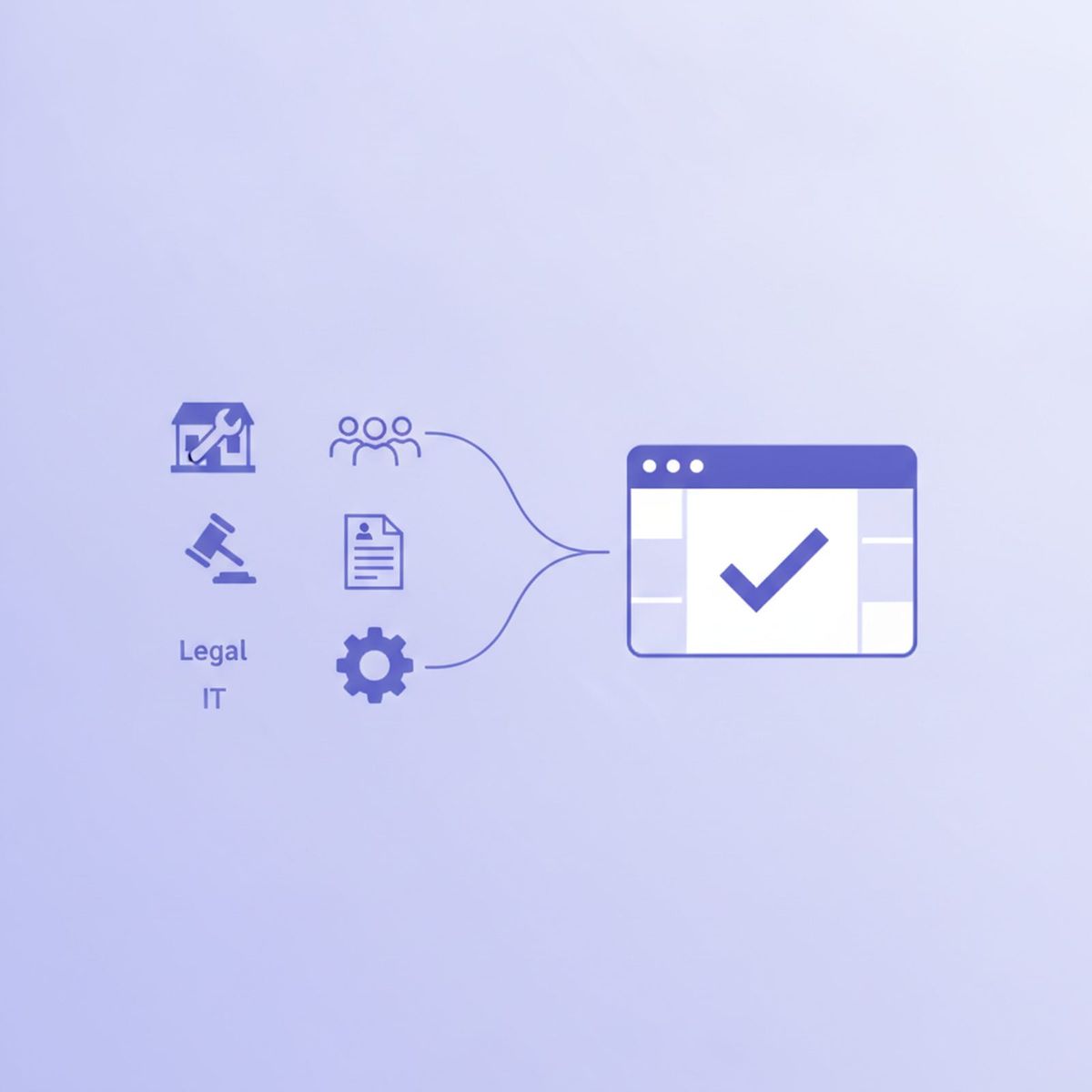
IT Has a Ticketing System. Every Other Department Still Runs on Phone Calls.
An organization buys a proper ticketing tool, IT gets organized, and every other department — HR, procurement, facilities — keeps running on phone calls and personal messages. Here's why copying the same tool to them doesn't fix it.

The Paperwork Universities Don't See: Tracking a Supplementary Insurance Claim After It's Filed
A university's insurance office spends less time on enrollment than on claims — where staff and HR alike lose track of a submission the moment it leaves the sign-up form.

Why a General AI Assistant Can't Just Read Your Org's Documents
General AI assistants fed a whole shared drive fail in two specific, well-documented ways: confidently citing policies that don't exist, and answering questions from documents the asker was never meant to see.

True Offline vs. Fake Offline: What Inspection Apps Actually Need in 2026
A growing set of 2026 field-inspection buying guides draws a hard line between real offline support and apps that just cache a form until you hit submit. Here's what the distinction means with no signal on site.

MES Vendors Are Racing to the Cloud. On a Steel Shop Floor, That's the Wrong Default.
Cloud is the default pitch for new MES rollouts, yet in Rockwell Automation's 2026 survey 44% of manufacturers rank integration as their top requirement and 43% put security second. On a shop floor where the network drops mid-shift, cloud-first isn't a convenience. It's a single point of failure.

Agentic AI Is Now the 2026 Helpdesk Default. Full Autonomy Isn't the Feature to Copy.
Analysts call 2026 the year agentic AI moves from experiment to production in IT support — systems that act without waiting for human approval on every step. The capability is real. Which decisions you let it make alone is the part worth being careful about.

Why Most Iranian Email Hosts Don't Support Custom Domains
Most Iranian email hosts either skip custom domains or gate them behind an expensive enterprise plan. The reason is reputation risk, not technical limits — and there's a third path.
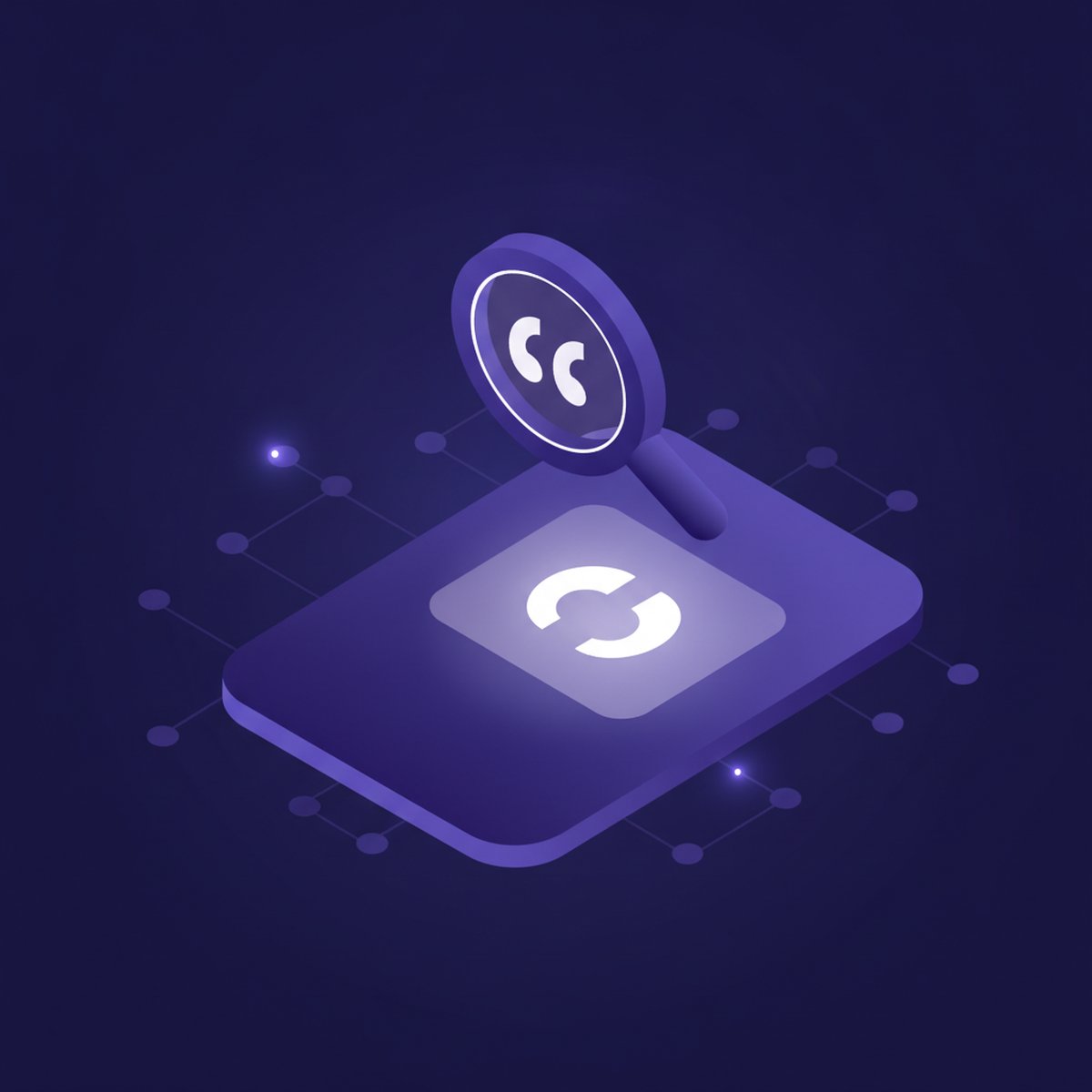
AI Answers With Citations, Not Guesses
General AI chatbots give confident answers about your documents, with no way to check the source. EnergyFile pairs every answer with a page-level citation back to the original document.
Why Does Your University Run Five Separate Systems?
Public website, faculty directory, service desk, staff insurance - each built at a different time by a different team, each with its own login. FanCampus puts them all behind one SSO.
FanDesk vs Zendesk and Freshdesk: Where the Real Difference Is
Zendesk and Freshdesk are strong, general-purpose platforms. FanDesk's difference sits somewhere else: native RTL Persian, SLA math against a real working calendar, local Telegram/SMS channels, and the option to run it on your own servers.

Why Manual Parts Pricing Quietly Eats a Repair Shop's Margin
When a part's price comes from memory or a spreadsheet column instead of real purchase history, a repair shop bleeds margin without noticing. FIFO costing replaces the guess with a real number.

Why a Peptide List Isn't a Search Tool
Plenty of peptide databases are just a spreadsheet with name search. When you have a new sequence, BLAST-style similarity search turns manual scanning into a query that takes seconds.

Finding the Right Standard Clause While You're Working, Not After
Engineers usually have the standard's file; the problem starts when they need one specific clause mid-task and spend minutes searching a hundred-plus-page PDF — sometimes pulling the wrong or outdated clause.
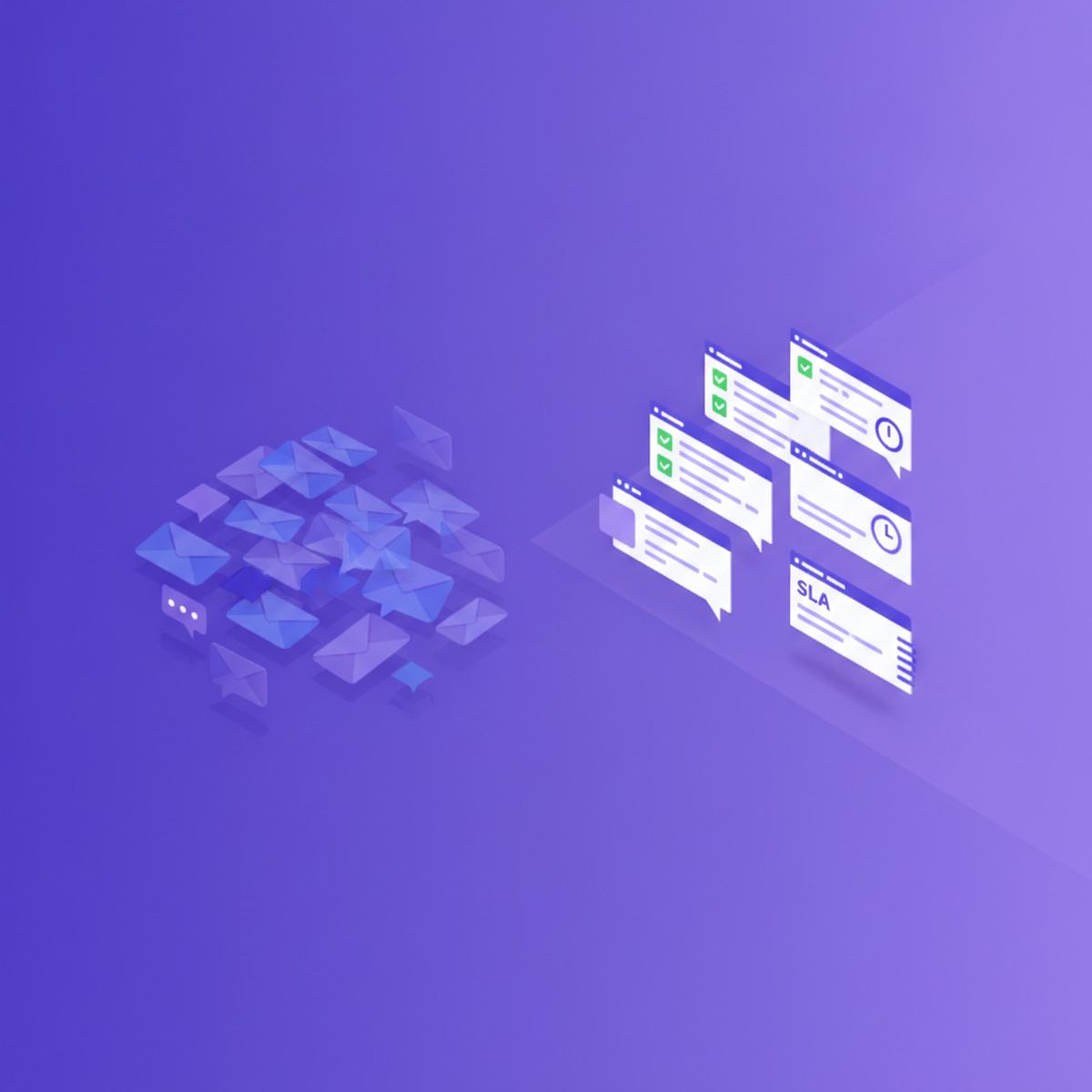
7 Signs Your Team Has Outgrown Shared-Inbox Support
A shared inbox works fine for a while — until tickets get lost, no one owns follow-up, and customers start escalating because they don't trust a reply is coming. Here's how to tell it's time to move.

We Cut a University's Email Costs 90% by Moving Off IceWarp — the Real Math
10,000 mailboxes, roughly $70,000 a year in licensing, replaced with a self-hosted setup for under $4,000 a year. Here's exactly what changed, what we'd do differently, and when self-hosted email actually makes sense.

End-of-Line Inspection Finds Defects Too Late to Contain a Recall
End-of-line inspection finds defects after the parts have already moved on, and weak traceability turns a small correction into a broad recall. The fix isn't more inspectors. It's capturing the right data at the station, not after the fact.
AI Deflection Rate vs. Resolution Rate: What Gartner Actually Reports
Gartner found only 14% of customer service issues are fully resolved in self-service, even though 73% of customers try it. A high AI deflection rate can hide that gap: support cost moves to another channel instead of disappearing.

Only 5 New Antibiotic Classes Since 2000 — Why Antimicrobial Peptide Research Needs More Than a Sequence List
Antimicrobial resistance could overtake cancer as a leading cause of death by 2050, and the discovery pipeline hasn't kept pace. A curated database is only useful if it also runs the physicochemical analysis researchers actually need.
The Real 2026 ITSM Trend Isn't a Better Ticketing Tool — It's One Window for Every Department
34% of support teams saw ticket volume rise in HDI's 2025 survey, and about a quarter of organizations in AXELOS's ITSM benchmark wanted to replace their tool. The bigger shift isn't a better tool. It's extending one structured workflow to HR, facilities, and every department.
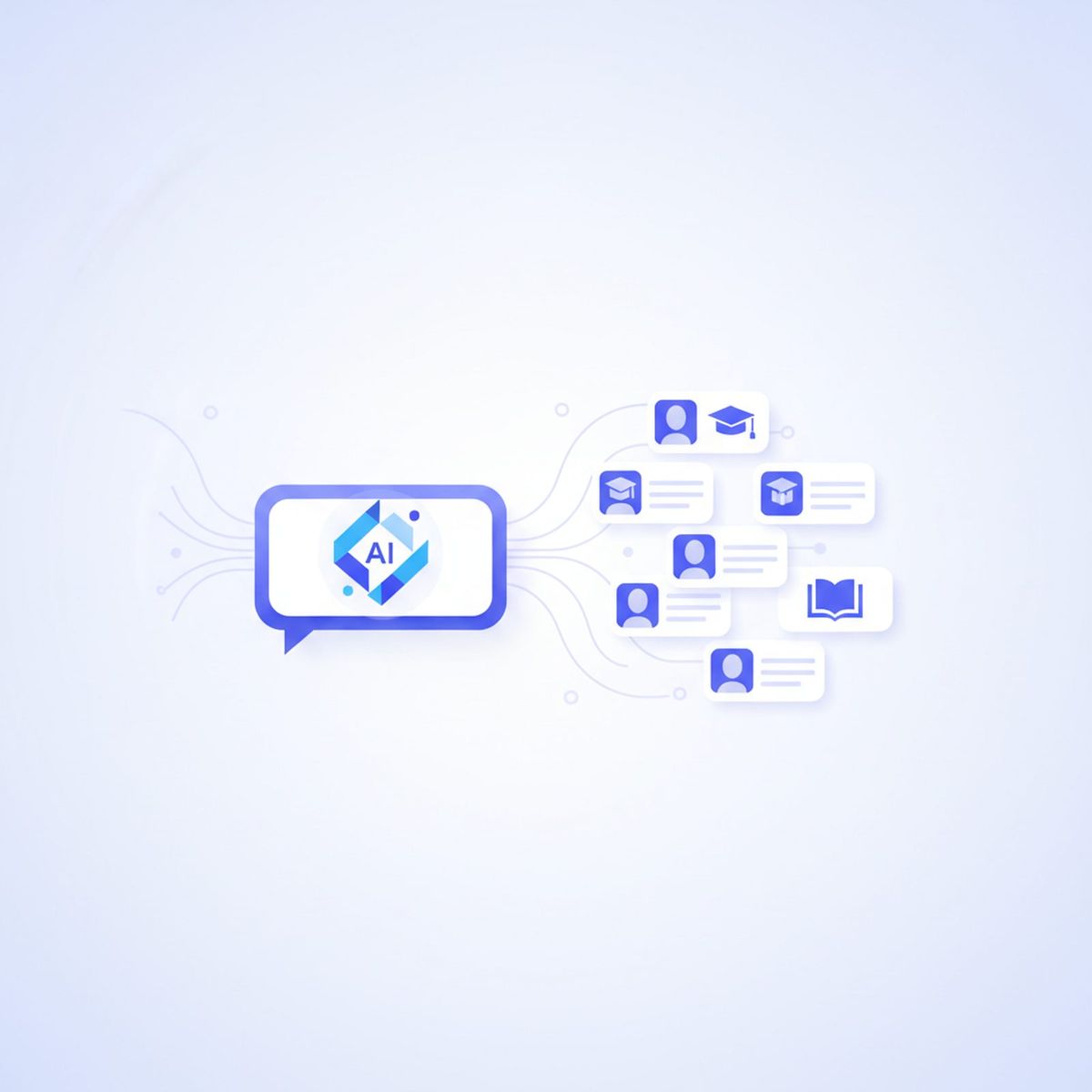
46% of Students Now Use AI to Research Colleges — Is Your Faculty Even Visible to It?
Being visible on Google no longer means being visible to AI. Only 12% of the URLs AI assistants cite rank in Google's top 10 for the same query, and a PDF faculty CV is invisible to a language model either way.
Nine Hours a Week: Why University HR Still Runs Benefits Enrollment by Hand
HR staff spend about nine hours a week answering benefits questions alone, per a HealthJoy survey. Most self-service portals digitize the bureaucracy instead of removing it, and the identity check still lands on a person.

77% of Manufacturers Use AI. Over Half Aren't Sure Their Systems Are Ready.
In a survey Deloitte cites, only 6% of manufacturers used agentic AI and 24% expected to within two years. Most factories aren't held back by AI, though. They're held back by data that isn't clean, real-time, or structured enough to act on.

79% Say They're Adopting AI Agents. Most Never Reach Production
In PwC's survey, 79% of executives said their companies are adopting AI agents, yet two-thirds said fewer than half their staff actually use them. The gap isn't model quality. It's trust.
The Real Cost of Running a Repair Shop on WhatsApp and a Notebook
"Is my phone ready?" shouldn't require a phone call. Three places repair shops quietly lose money without noticing, and why they all trace back to the same root cause.
Why Some Organizations Still Choose to Self-Host Email in 2026
Cloud email is the default answer for a reason. For organizations with 10,000 mailboxes, data-residency rules, or a currency that makes dollar-billed SaaS expensive, self-hosting is still the more rational choice — if you get the details right.
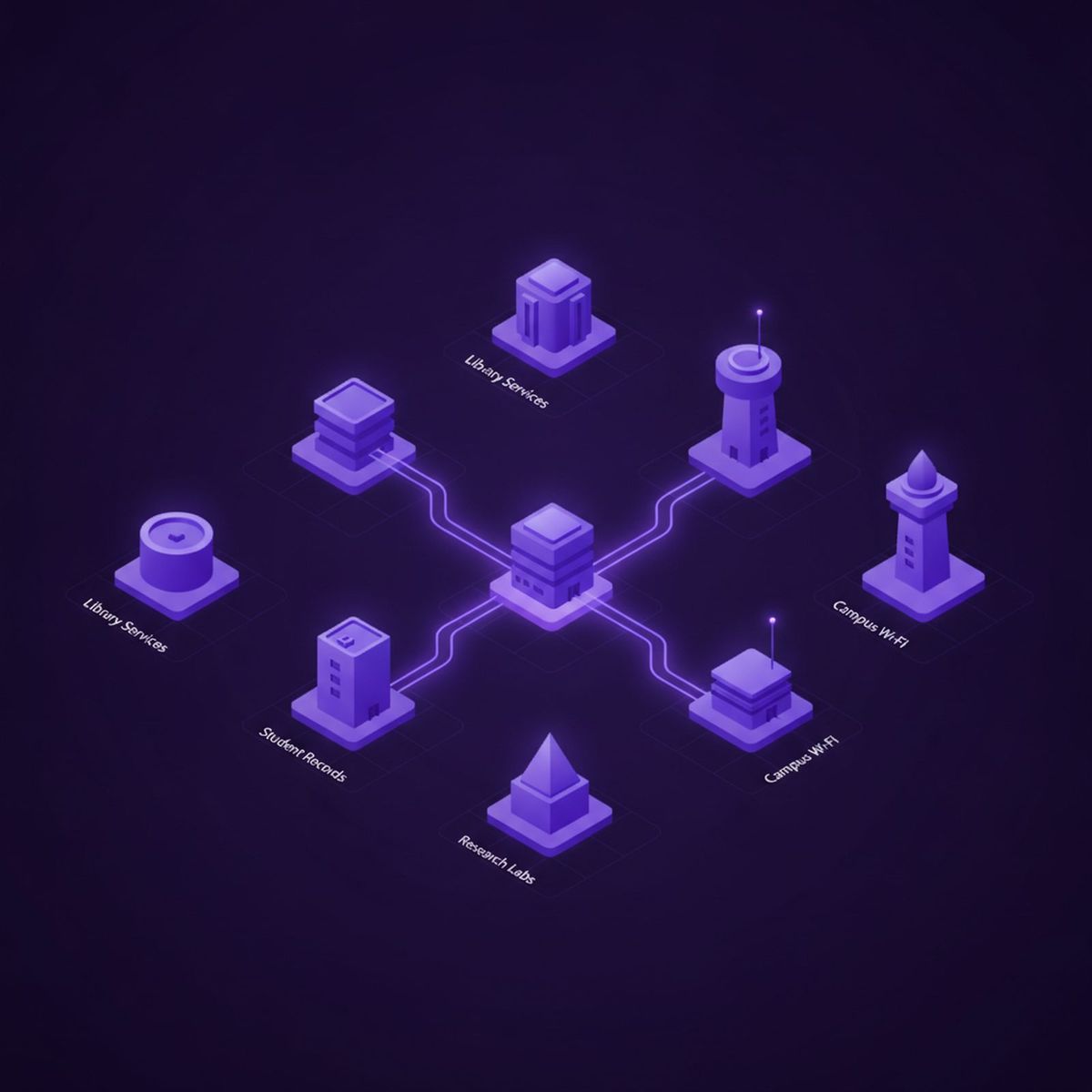
The Real Reason University IT Systems Don't Talk to Each Other
It's rarely a technical limitation. A university's website, faculty records, service desk, and insurance system usually don't fail to integrate — they were never designed to, because each was bought by a different office in a different year.
Cite or Refuse: Why an Internal AI Assistant Should Sometimes Say "I Don't Know"
A chatbot that confidently answers a question your documents never covered isn't being helpful — it's manufacturing a wrong answer with the same tone as a right one. The fix isn't a better prompt. It's an architecture that can't fabricate a citation.

Generative Engine Optimization: How to Get Your Site Cited by ChatGPT and AI Overviews
Ranking #1 on Google no longer guarantees an AI cites you. In Ahrefs’ data, only 12% of the URLs AI assistants cite rank in Google’s top 10 for the same query. Here's the concrete technical checklist we used to make our own site retrievable by ChatGPT, Perplexity, and Google's AI Overviews.
Six Things to Check Before Buying a Helpdesk System
What separates a good helpdesk from a bad one isn't the feature list — it's a few structural decisions that show their consequences a year later.

We Have an ERP — What Would an MES Add?
Your ERP knows what the order is and what it costs. But "where is part B-214 and who welded it?" is answered somewhere else.

Why Your Multi-Thousand Document Archive Is Effectively Unusable
Storage isn't the problem — nobody knowing what's in there is. And an answer without a citation is worse than no answer.
You Can't Reconstruct Compliance at Inspection Time
In most organizations nobody knows exactly which revision of which standard was the reference — and they find out at handover.
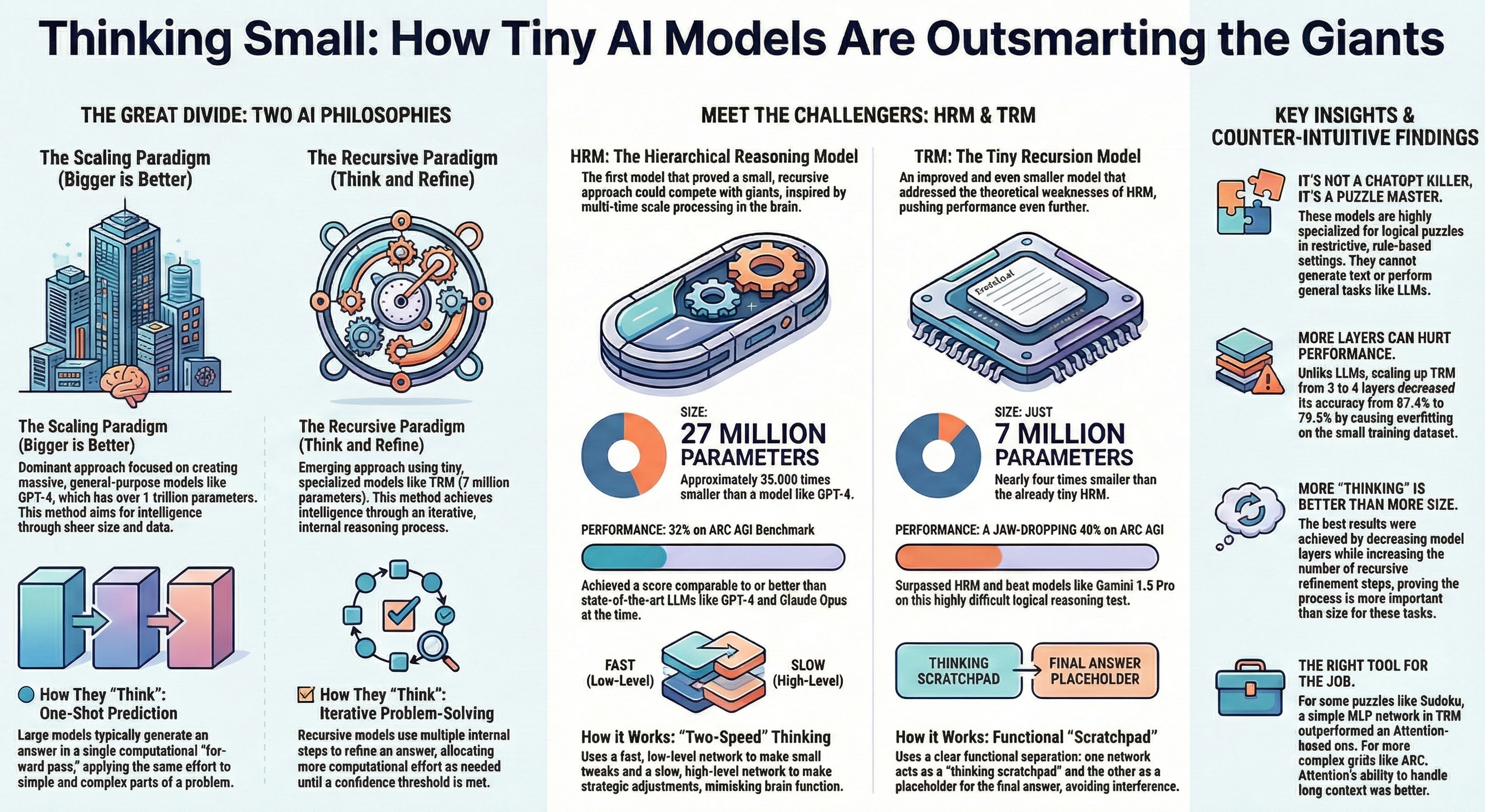
How a 7M-Parameter Model Outscored Much Larger LLMs on ARC-AGI (Is Bigger Still Better?)
The usual assumption in AI is that bigger is better. Yet a 7-million-parameter model, TRM, outscored LLMs like Gemini 2.5 Pro and o3-mini on the ARC-AGI-1 puzzle benchmark, and its 27M-parameter predecessor HRM beat o3-mini there too. Here is what the papers and ARC Prize's own re-tests actually show.

Context Engineering: How to Prevent AI from Generating Low-Quality Code Using the RPI Framework
Do you know why AI works great for small projects but fails in legacy codebases? Learn about Context Engineering and the RPI workflow to prevent AI from generating low-quality code (Slop).