A university's insurance office doesn't spend most of its time on enrollment paperwork — that happens once a year, in a fixed window. It spends its time on claims: staff submitting medical receipts, waiting for reimbursement, and asking "where is my claim?" with no good answer. At Kharazmi University, a 2023 meeting with the insurer's official broker was called specifically to explain payment delays — the answer was that receipts submitted before year-end were paid, eventually, except for the ones with missing or incomplete documentation, which staff had to be told about individually. Tehran University of Medical Sciences runs claim-submission deadlines that are, in the institution's own words, not extendable under any circumstance once passed.
None of that is a policy failure. It's a tracking failure. A claim's status — submitted, under review, missing a document, paid — lives in whichever format the insurer's paperwork happens to take: an email thread, a stapled folder, a line in a spreadsheet someone in the welfare office updates by hand. When a staff member calls to ask what happened to their claim, someone has to go find that record before they can answer. Multiply that across a few thousand staff and a handful of insurers, and the office spends more time searching for the status of a claim than adjudicating it.
Enrollment gets automated first; claims get automated never
Most digitization efforts in this space stop at sign-up: verify identity, register a plan, add a dependent. That is real progress over a paper form, but it only covers the moment someone joins. Everything that happens after — every claim filed over the following year — still runs on whatever process existed before the portal. FanCover's insurance-records and dependents modules are built to cover that second half: a claim, once filed, has one shared record that both the staff member and the welfare office can see the same version of, instead of two separate paper trails that only meet when someone picks up the phone.
Why the data lives in its own isolated service
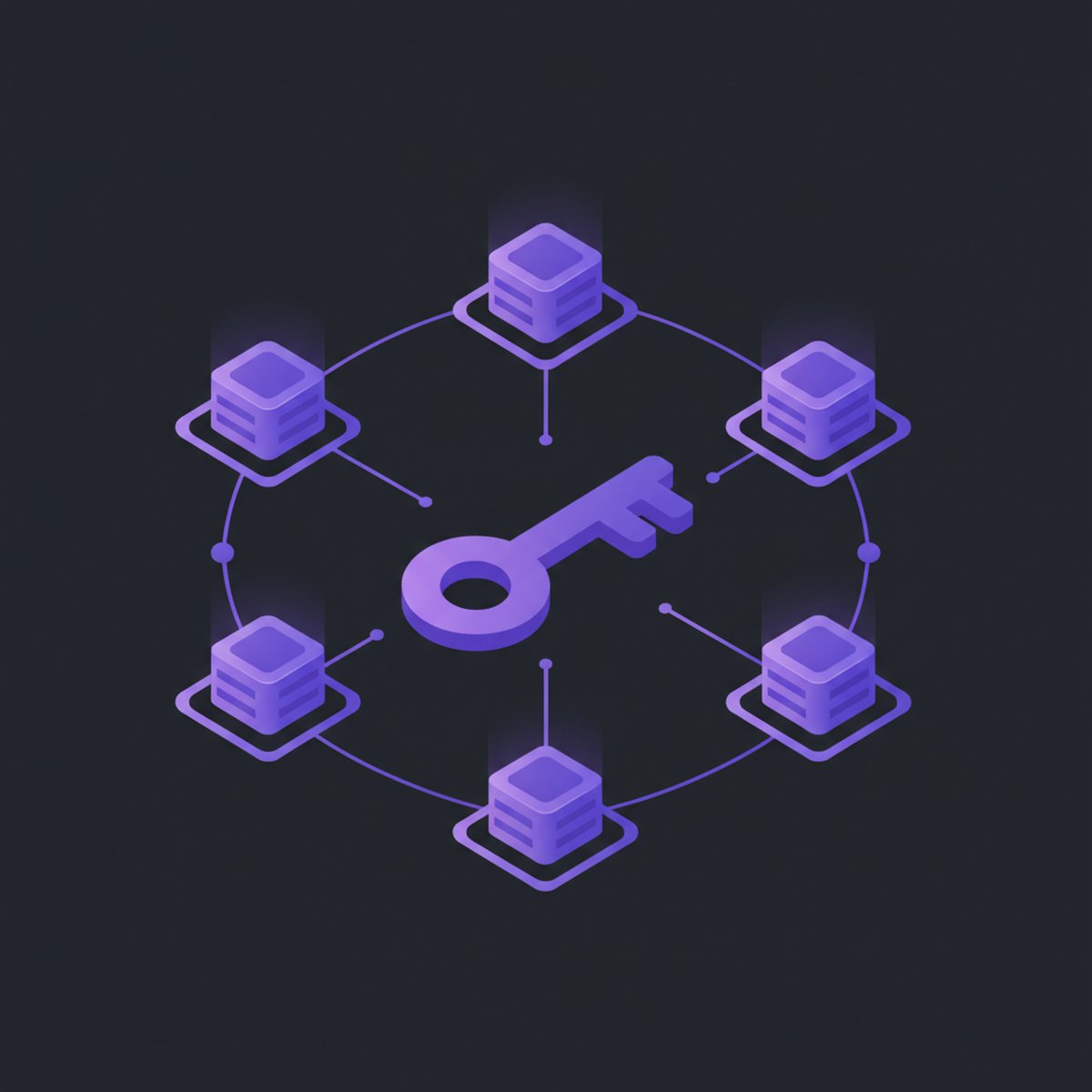
Health insurance records are some of the most sensitive data a university holds about its own staff — diagnosis-adjacent claim details, dependents, national ID numbers, all in one place. Building that as a feature bolted onto a general HR or portal system means it inherits that system's entire blast radius: a bug or an incident anywhere else in HR software can expose insurance data too, just because it happened to live in the same database. FanCover runs as its own isolated microservice with its own database specifically so that isn't true — a problem elsewhere in an organization's stack stays elsewhere. National-SSO login (via دولتمن) still handles the identity-verification step at the door; what changes here is everything that happens to a claim after someone's already inside.