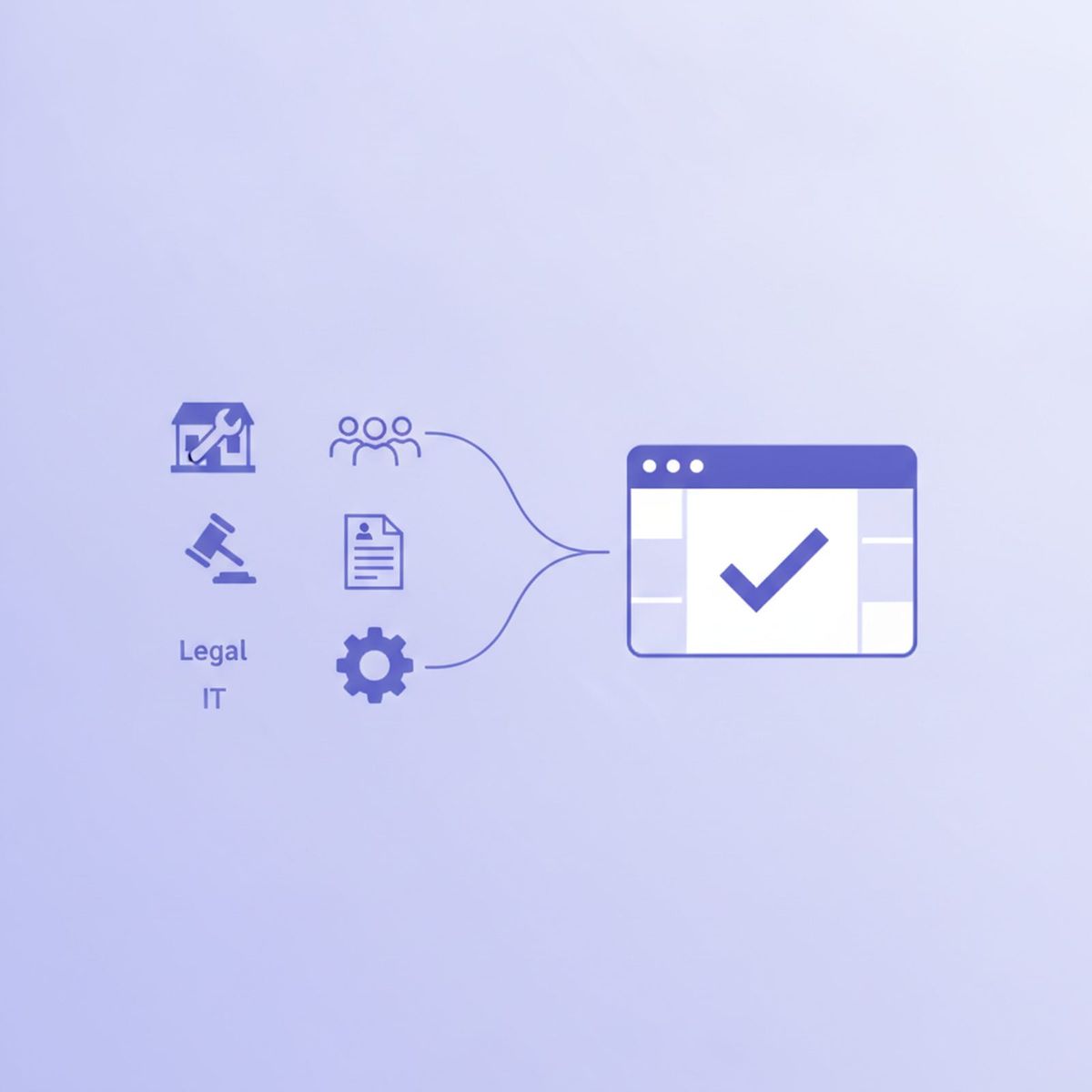
Support-ticket volume isn't slowing down: 34% of support teams saw their ticket volumes increase in HDI’s State of Tech Support in 2025. Many IT teams are also stuck with tools they don't like. In AXELOS’s 2022 ITSM benchmarking report, 46% called their ITSM tools "great," while 24% wanted to replace theirs. The instinct is usually to shop for a better ticketing tool. The bigger shift underway this year is different: the same structured request workflows that used to live only in IT are extending into HR, facilities, and legal, a move analysts are calling enterprise service management (ESM).
The logic is simple once you see it from the requester's side. A university employee doesn't care whether their question belongs to IT, HR, or the registrar's office — they just want somewhere to submit it and track it. When every department runs its own disconnected form, email inbox, or in-person counter, the institution ends up with five versions of the same problem: no SLA, no history, no way to see what's actually taking the longest to resolve.
One ticketing engine, one intake experience, five different queues
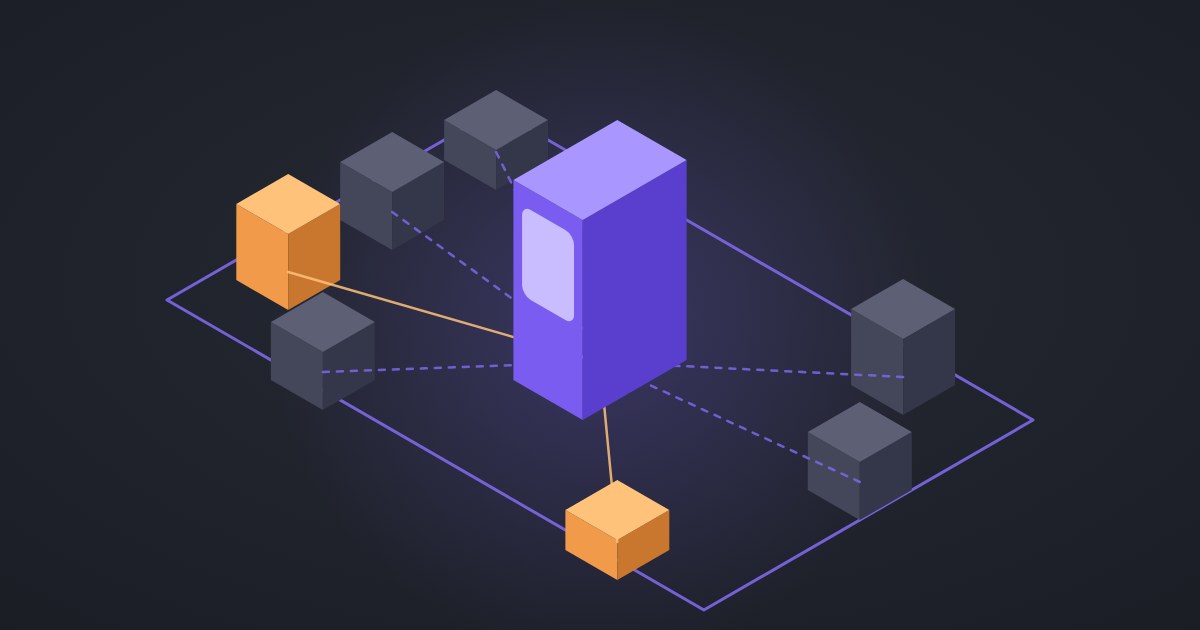
This is the exact gap FanServe was built to close. It's a single service window for an entire organization — members, staff, and every department — where each group gets its own tailored catalog of requests, but every request runs through the same ticket-based workflow: SLA tracking, conversations, a knowledge base, and reporting, powered by the FanDesk engine underneath. Instead of building five separate portals, an institution builds one intake layer and configures which catalog each group sees.
In production at Lorestan University, FanServe already handles academic, student-affairs, research, welfare, and cultural service requests through that one window — the exact ESM pattern analysts are describing as the 2026 shift, just built for an environment with departments instead of enterprise business units. If your institution still tracks "how long did this actually take to resolve" differently depending on which department got the request, that's the gap worth closing first — not a bigger ticketing tool.
The same measurement trap shows up with AI chatbots, where deflection rate and actual resolution rate are often reported as if they were the same number.