FreeSWITCH 1.11.2 and earlier let anyone who can send a SIP MESSAGE to the server run FreeSWITCH API commands, and through them operating system commands. The flaw is CVE-2026-116779, rated CVSS 9.8, and it is fixed in 1.11.3 (SignalWire advisory). SignalWire says exploitation has been observed in the wild, and CISA added it to its Known Exploited Vulnerabilities catalog on 9 November 2026 with a 12 November deadline (CISA KEV). If your phone system, contact centre or SIP gateway runs FreeSWITCH, upgrade or turn off inbound SIP chat today.
How the bug works
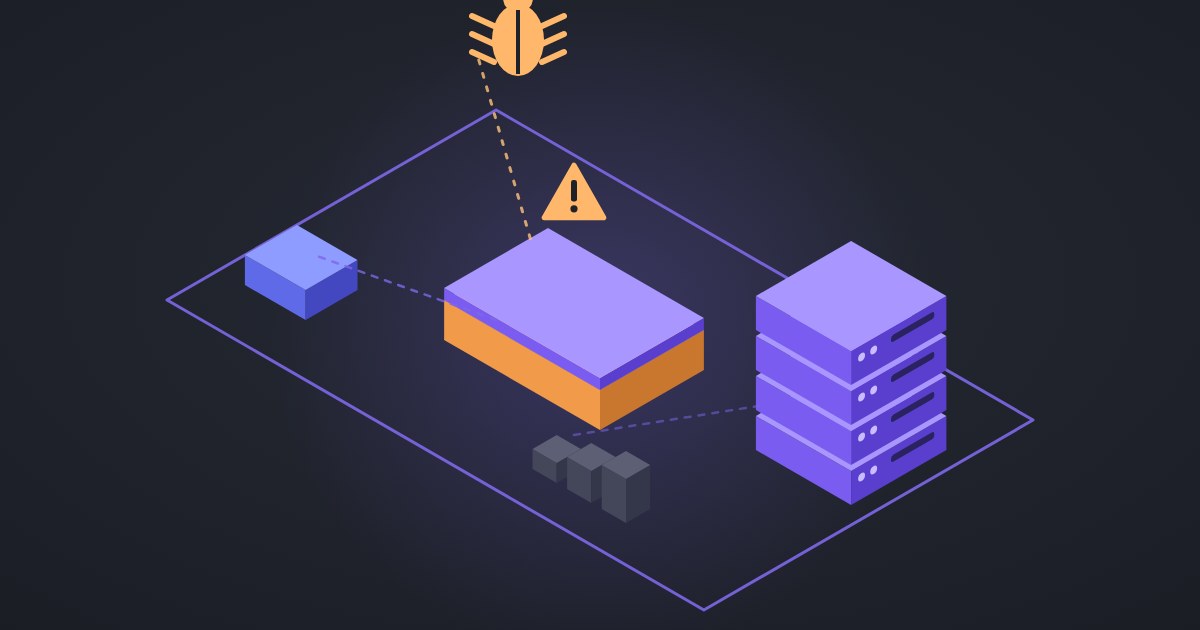
The advisory explains that mod_sofia splits the To user of an inbound SIP MESSAGE on the + character and treats the left part as a chat protocol name. mod_dptools registers a chat interface called api that hands the message address to FreeSWITCH's API executor. Nothing restricts that selector, so the sender chooses which API command runs. The impact listed is arbitrary OS commands, disclosure of configuration and credentials, and call control. With mod_lua loaded, inline Lua is a second route.
The defaults make it worse. Chat is enabled on the stock internal and external profiles. If MESSAGE authentication is enforced, any single registered account on the profile is enough, and the default directory users in the vanilla configuration have no password unless allow-empty-password is set to false. The advisory was published on 28 October 2026.
What works and what does not
| Measure | Effect, per the advisory |
|---|---|
| Upgrade to FreeSWITCH 1.11.3 | Fixes the flaw; adds enable-chat-api-proto, off by default |
enable-chat=false on profiles that do not need SIP chat | Closes the path on those profiles (the only workaround the advisory says closes it) |
auth-messages only | Not enough: any registered account still works |
disable_system_api_commands=true | Not enough: removes only the system API |
Source: GHSA-mg63-h38w-8p9p. CISA's entry describes the same impact: configuration and credential disclosure, arbitrary call control and command execution, and marks forensic triage as required (KEV data feed, version 2026.11.20).
Why call control matters for a business
Command execution on a PBX is a full server compromise. Call control adds a direct cost risk: an attacker who can place calls through your trunks can run up international charges, and credentials pulled from the configuration can include SIP trunk passwords. For a support desk, the phone system also holds call recordings and customer numbers, which brings data protection duties into play.
Checklist
- Find every FreeSWITCH instance, including ones bundled inside PBX or contact-centre products. Check the version and which profiles have chat enabled (adjust the path to your install):
fs_cli -x "version" grep -rn "enable-chat" /etc/freeswitch/sip_profiles/ - Upgrade to 1.11.3 or later. If FreeSWITCH comes inside a vendor product, ask the vendor which release includes 1.11.3 and when.
- Until then, set
enable-chat=falseon every SIP profile that does not need inbound chat, and reload the profile. - Remove passwordless directory users, set
allow-empty-passwordto false, and do not rely onauth-messagesby itself. - Restrict SIP exposure. Allow SIP only from your trunk providers and known phones or SBCs, not from the whole internet.
- Look for signs of abuse. Because the attack selects the
apiprotocol through the To user of a SIP MESSAGE, MESSAGE requests whose To user starts withapi+deserve a search in SIP logs or captures. This is our inference from the advisory, not a published indicator. Also review unusual outbound calls and new processes on the host. - If you find anything, treat the server as compromised: rebuild it, rotate SIP trunk and extension passwords, and tell your carrier to watch for fraud.
Phone systems often sit next to the helpdesk. Our guide to self-hosted helpdesk options covers the server side, and the Zammad zero-days case shows how a support system becomes an entry point.
Frequently asked questions
Do attackers need a SIP account?
Not with default settings. Chat is on by default and does not require MESSAGE authentication. With auth-messages enforced, one registered account is enough, and stock directory users have no password, as the advisory explains.
We use FreeSWITCH only for internal extensions. Are we safe?
Safer, not safe. The stock internal profile also has chat enabled, so anyone who can reach it, including a compromised phone or PC on your network, can try the attack.
Is disabling the system API a fix?
No. The advisory says disable_system_api_commands=true removes only the system API, and the route still reaches other API commands.
Where can I find a score for our risk register?
The advisory gives CVSS 3.1 9.8 (AV:N/AC:L/PR:N/UI:N). NVD holds the official record, and eSecurity Planet summarises the CISA listing.
Sources: SignalWire FreeSWITCH advisory GHSA-mg63-h38w-8p9p, CISA KEV catalog (via the KEV data feed), NVD record and eSecurity Planet.