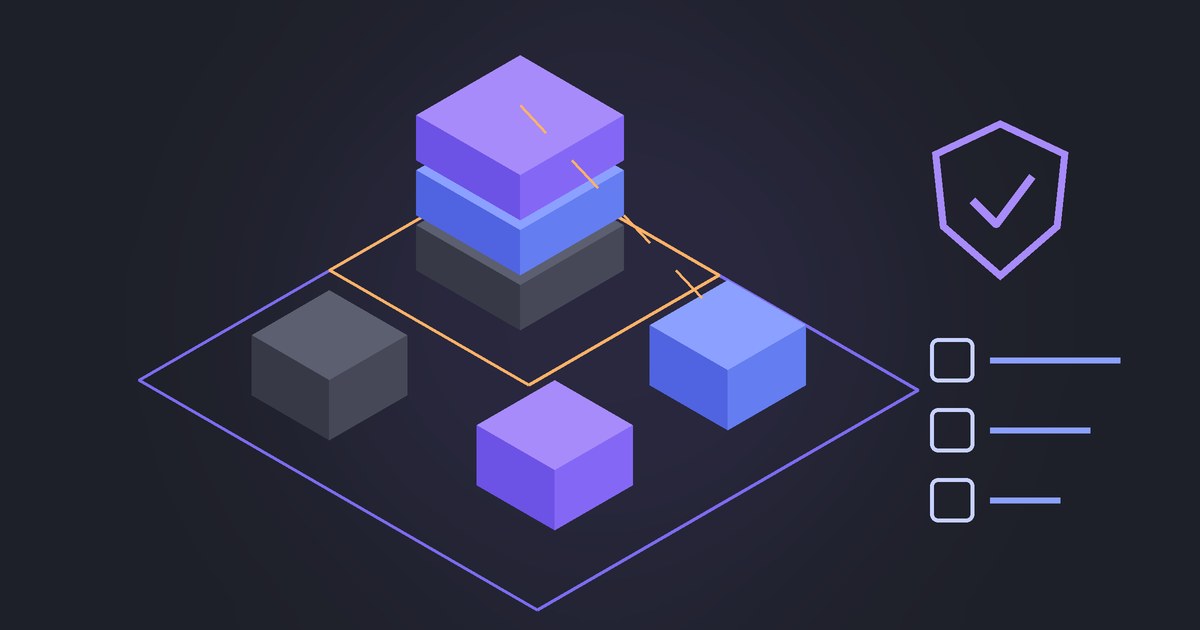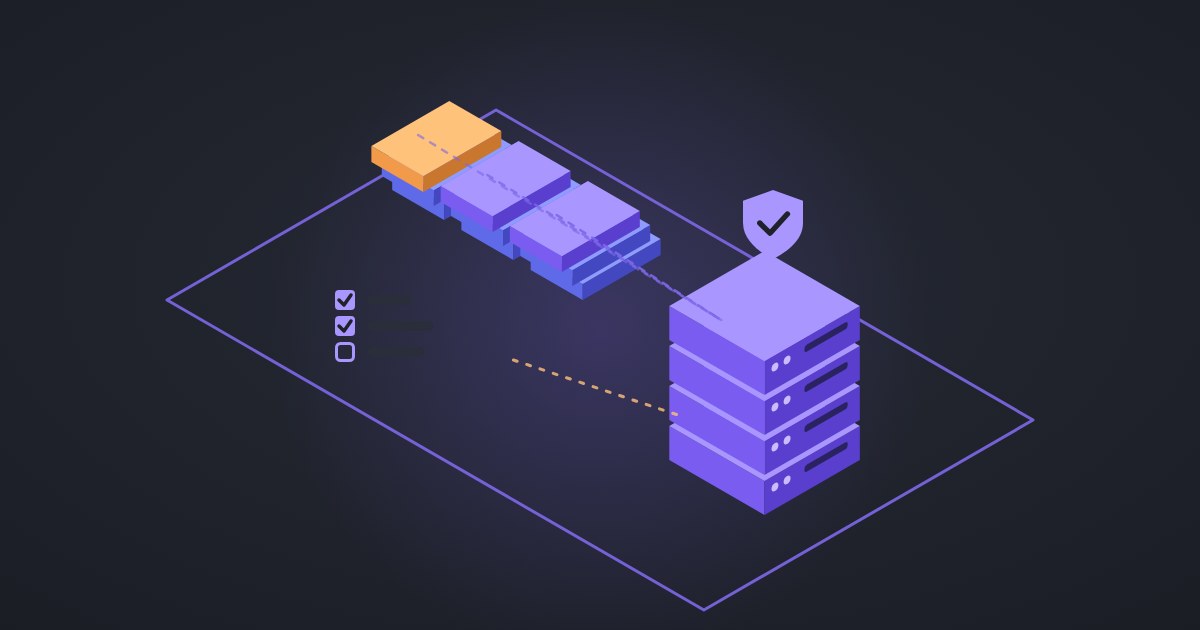
A university's public website, faculty directory, IT service desk, and staff insurance portal usually get built at different times, by different teams, sometimes by different vendors entirely. Nobody planned it that way - it's just what happens when each department solves its own problem. The result is five logins, five sets of user data that drift out of sync, and an IT team that has to maintain integrations nobody fully understands anymore.
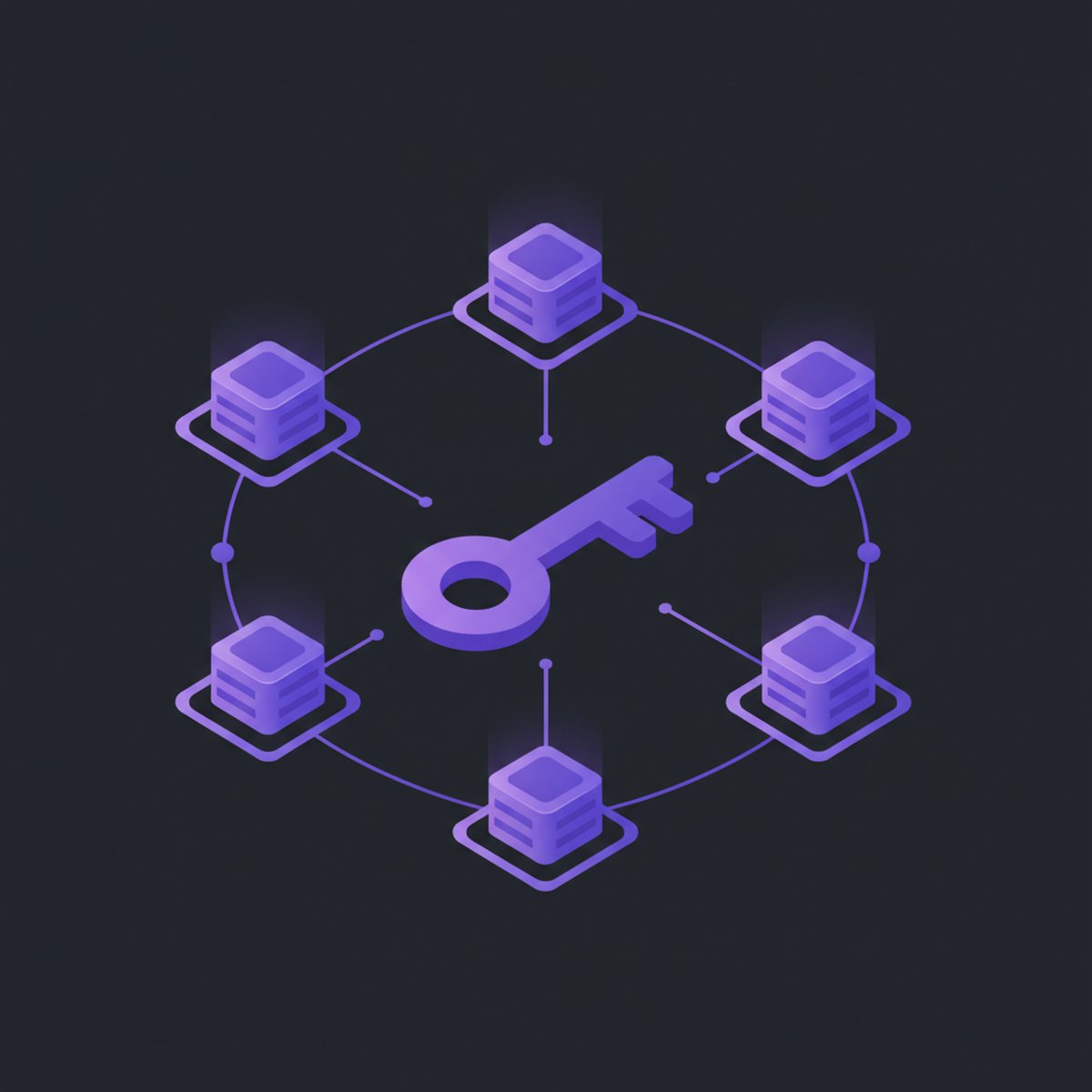
One SSO instead of five accounts to remember
FanCampus puts the public website, faculty profiles, service desk, and staff insurance behind one login. A professor doesn't need a separate password for the service desk than for their own profile page - it's the same account, the same session, the same permission model underneath.
Faculty profiles that are actually maintained
A directory page nobody can edit becomes a directory page nobody trusts. When professor profiles live in the same system as everything else instead of a static page someone built once in 2019, updating a bio or publication list is a five-minute task instead of a ticket to whoever still remembers the old CMS.
Trilingual from the start, not bolted on
Most university sites that add Arabic or English later end up with half-translated pages and broken RTL layouts. Because Persian, English, and Arabic are built in from day one, with bulk-translation tooling for editors, a new page doesn't ship in one language while the others quietly fall behind. The content model behind that is described in how Fanpino CMS handles RTL and bilingual fields from the schema up.
If national identity is part of your SSO plan, we explained how connecting to Dolat-e Man works. The same login is also what decides whether staff actually use an internal AI assistant.
The public faculty directory is one of those systems, and we explained in why a faculty directory gets its own app why it should stay separate from the CMS.