AI now sits at the top of the EDUCAUSE Top 10 IT issues. The 2027 list came out on 1 October at the EDUCAUSE Annual Conference in Denver, and its first item, as reported by Campus Technology, is "Determining where AI adds real value". Coverage of the release calls it the first time AI has led the list. Cybersecurity, which has appeared on the list every year, is third this time, as "Balancing cybersecurity boundaries with autonomy and trust".
The wording of item one is worth a second read. It doesn't say adopting AI, or scaling it. It says working out where it adds value, which quietly admits what many IT directors already know: the campus has pilots and licences, and nobody can say with confidence what they returned.
Start with questions that already have written answers
The easiest place to find out is not research or teaching. It is the administrative questions staff answer every week from documents that already exist. Can I carry unused leave into next year? What is the last day to withdraw from a course without a fail? Which form does a visiting researcher need before arrival? The answers sit in regulations, circulars, the academic calendar and a folder of forms, and someone in student affairs, HR or the graduate office types them out again by email and phone.
These questions make a fair test because every answer can be checked. If the assistant says the withdrawal deadline is the end of week ten, anyone can open the calendar and see whether that is right. Compare that with "help me write a grant proposal", where nobody can say what a good answer looks like.
A four-week test you can measure
- One office, its own documents. Pick a single office with a heavy inbox and collect the documents it answers from. Old versions out, current ones in.
- No source, no answer. Every reply has to cite the document and page. An answer without a citation doesn't count, however plausible it sounds.
- Keep the misses. Log every question the assistant could not answer. After a month, that list is mostly missing or outdated documents, and fixing them helps the people answering by hand too.
- Ask the office, not the dashboard. Did the same questions arrive less often? Did staff trust the citations enough to point students to them?
At the end you have a yes or no for one office, with evidence. That is item one of the list, done small.
Items three, seven and nine come along
The same test touches three other entries. On cybersecurity and trust (No. 3), the assistant must only show people documents their role allows them to read; we went through why in why a general AI assistant can't just read your organisation's documents. On data governance (No. 7), each document set needs an owner who retires old versions, or the assistant will happily quote last year's fees. On meeting people where they are with AI (No. 9), a registry clerk and a computer science lecturer want different things, and the clerk will trust an assistant that says plainly when it doesn't know. That last point has its own piece: why an internal AI assistant should sometimes say "I don't know".
Where FanMind fits
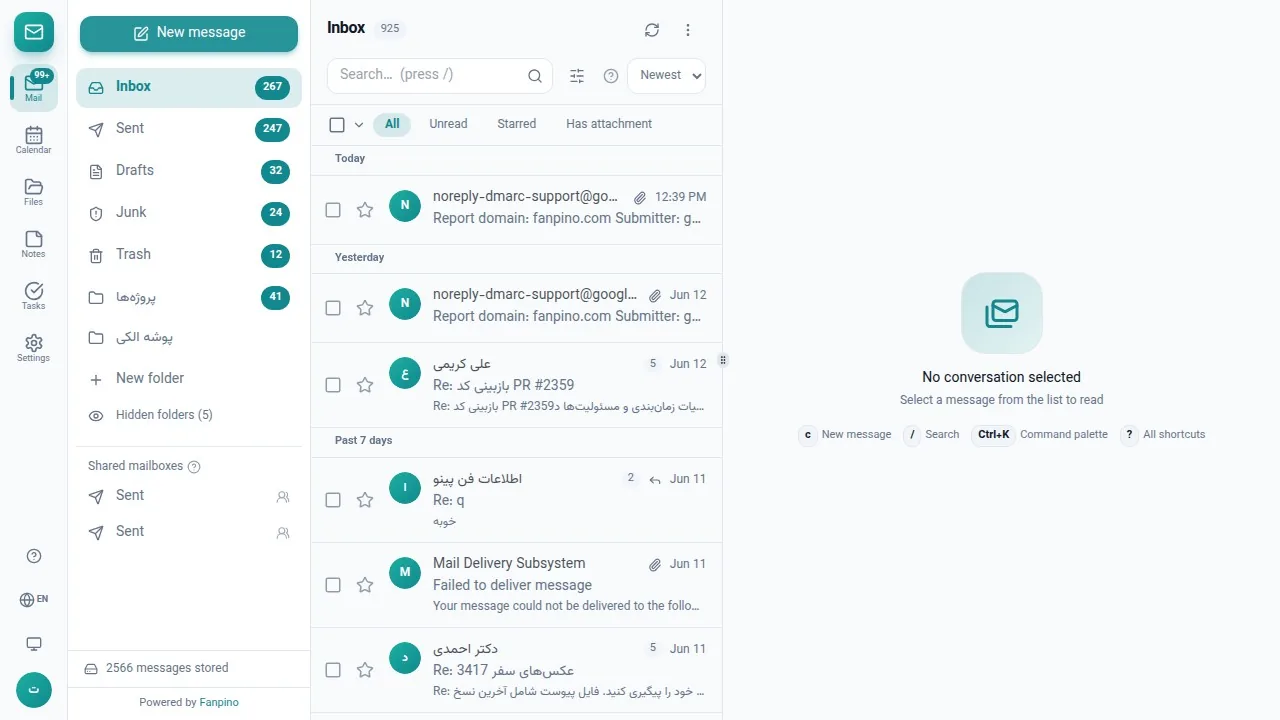
FanMind is the document assistant we built for this kind of work. Admins upload regulations, circulars, forms, syllabi and calendars as PDF, Word, Excel or PowerPoint, and the system indexes them. Users sign in with single sign-on, an SMS code or a username, and get answers with clickable citations to the document and page. When the answer isn't in the documents it says so and logs the question for the content admin. It runs on the university's own servers or in the cloud. See how FanMind works.
Frequently asked questions
What is the No. 1 EDUCAUSE Top 10 IT issue for 2027?
"Determining where AI adds real value", according to the EDUCAUSE 2027 Top 10 released on 1 October 2026.
Where is cybersecurity on the 2027 list?
Third, as "Balancing cybersecurity boundaries with autonomy and trust". Data governance is seventh.
What is a low-risk first AI project for a university?
Answering administrative questions from documents the university already publishes, in one office, with a citation required on every answer. Every answer can be checked, and the unanswered questions show which documents are missing.
Should a university AI assistant run on campus servers?
It depends on the documents. Personnel files and unpublished research usually belong on infrastructure the university controls; public catalogues and calendars carry far less risk. A tool that supports both lets that decision follow the data.