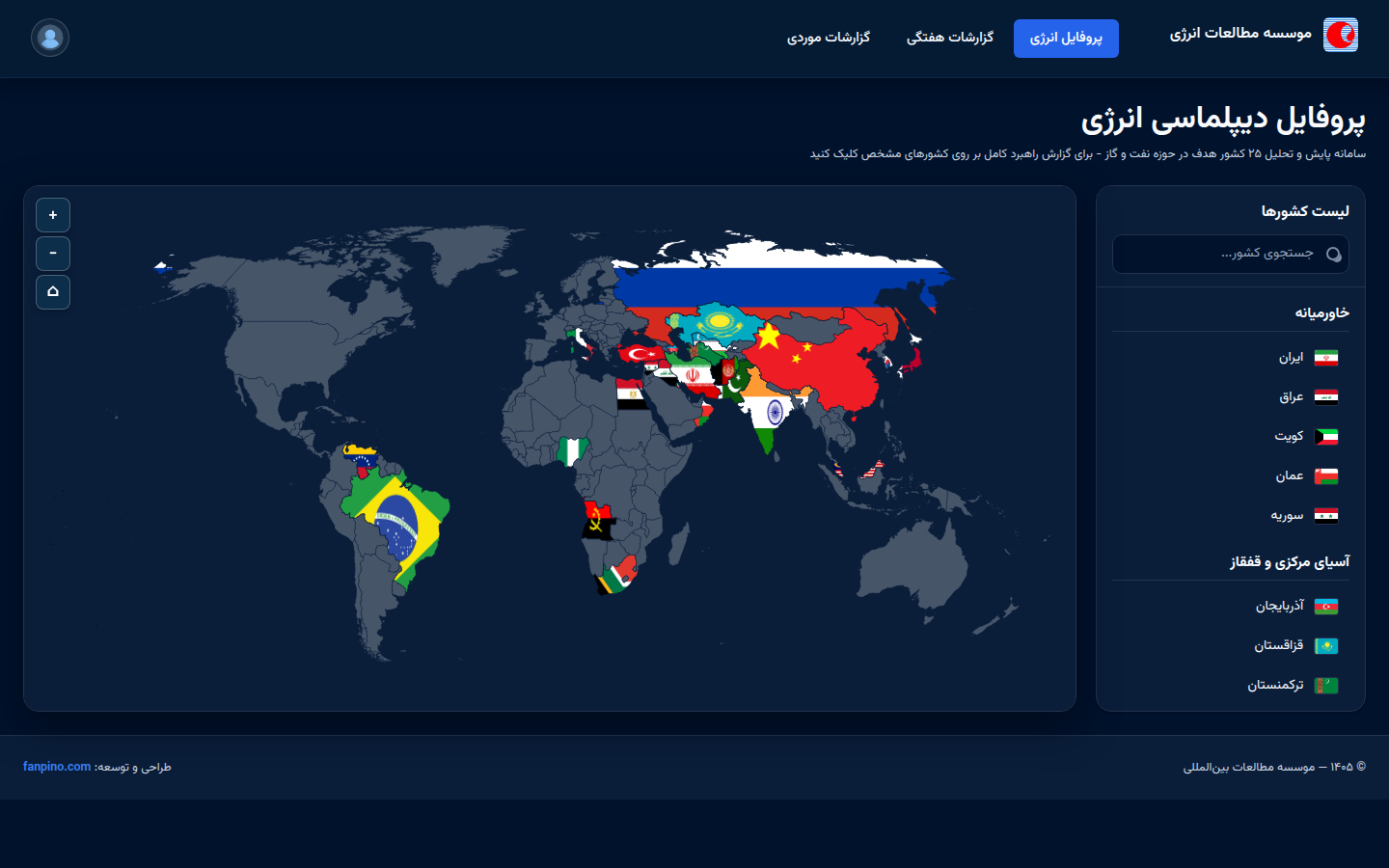
About Fanpino CMS
Fanpino CMS is a comprehensive content management system that we developed to address the unique needs of businesses operating in international markets. Built with modern technologies and best practices, it serves as both a production-ready platform and a showcase of our development capabilities.
The Challenge
Building a content management system that truly serves both international markets presented several complex challenges:
- Bilingual Content: Need for seamless English and Persian content management with proper RTL/LTR support
- Dual Currency: Handling both USD and Toman pricing with automatic display based on user preferences
- Enterprise Security: Implementing robust authentication and authorization without compromising user experience
- Scalable Architecture: Creating a system that could grow with business needs while remaining maintainable
- AI-Friendly Development: Designing an architecture that AI assistants could easily understand and work with
Our Solution
We developed Fanpino CMS using a service-layer architecture that separates concerns clearly:
Technical Stack
- Frontend: React 19 with TypeScript, Vite for fast builds, TailwindCSS for styling
- Backend: FastAPI (Python) for high-performance async API, Pydantic for validation
- Database: MongoDB with Motor async driver for flexible document storage
- Infrastructure: Docker containerization, Nginx reverse proxy, production-ready deployment
Key Features
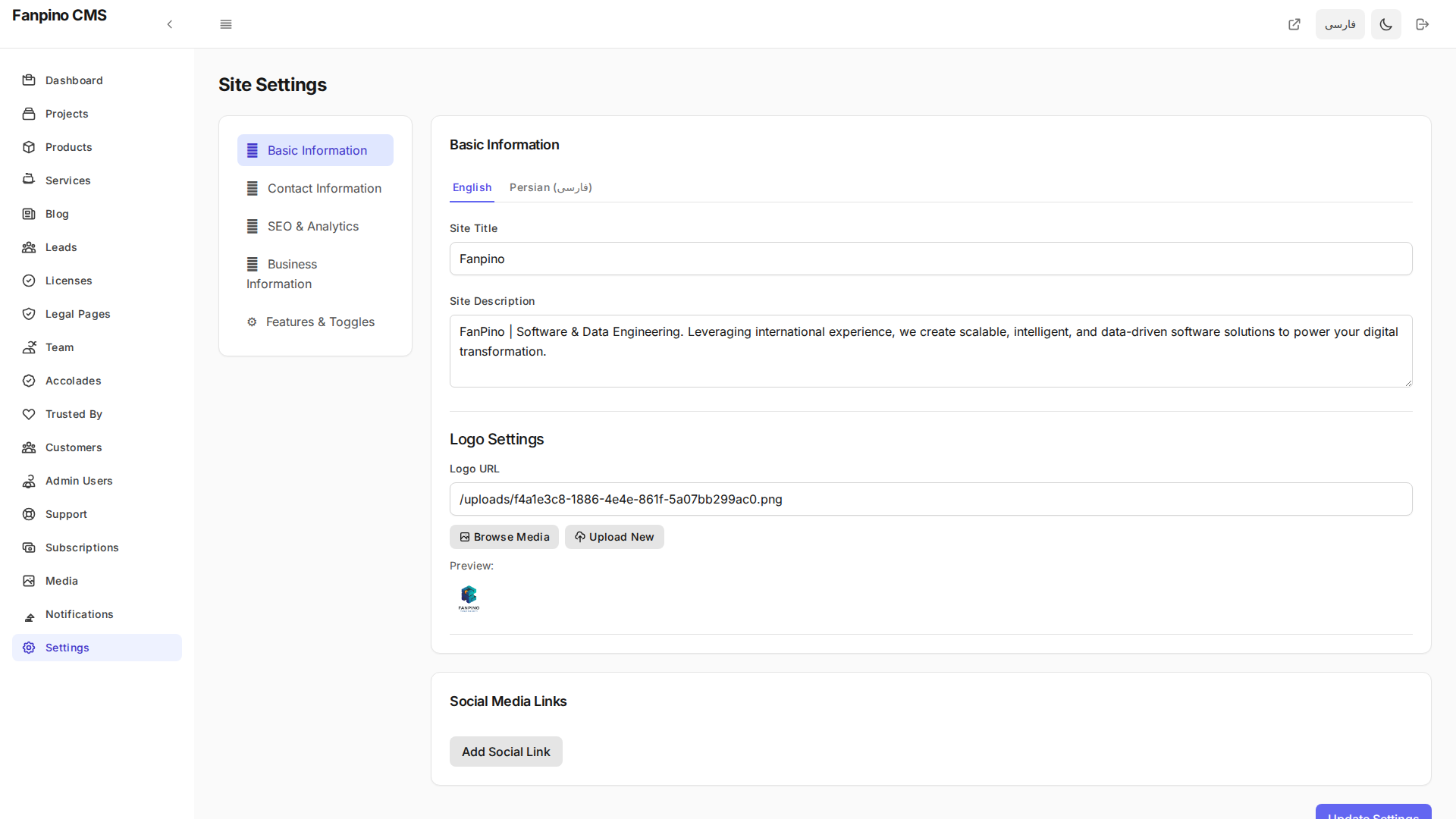
- Multilingual Ready: Full English and Persian support with automatic RTL/LTR switching
- Dual Currency System: USD and Toman pricing with smart display logic
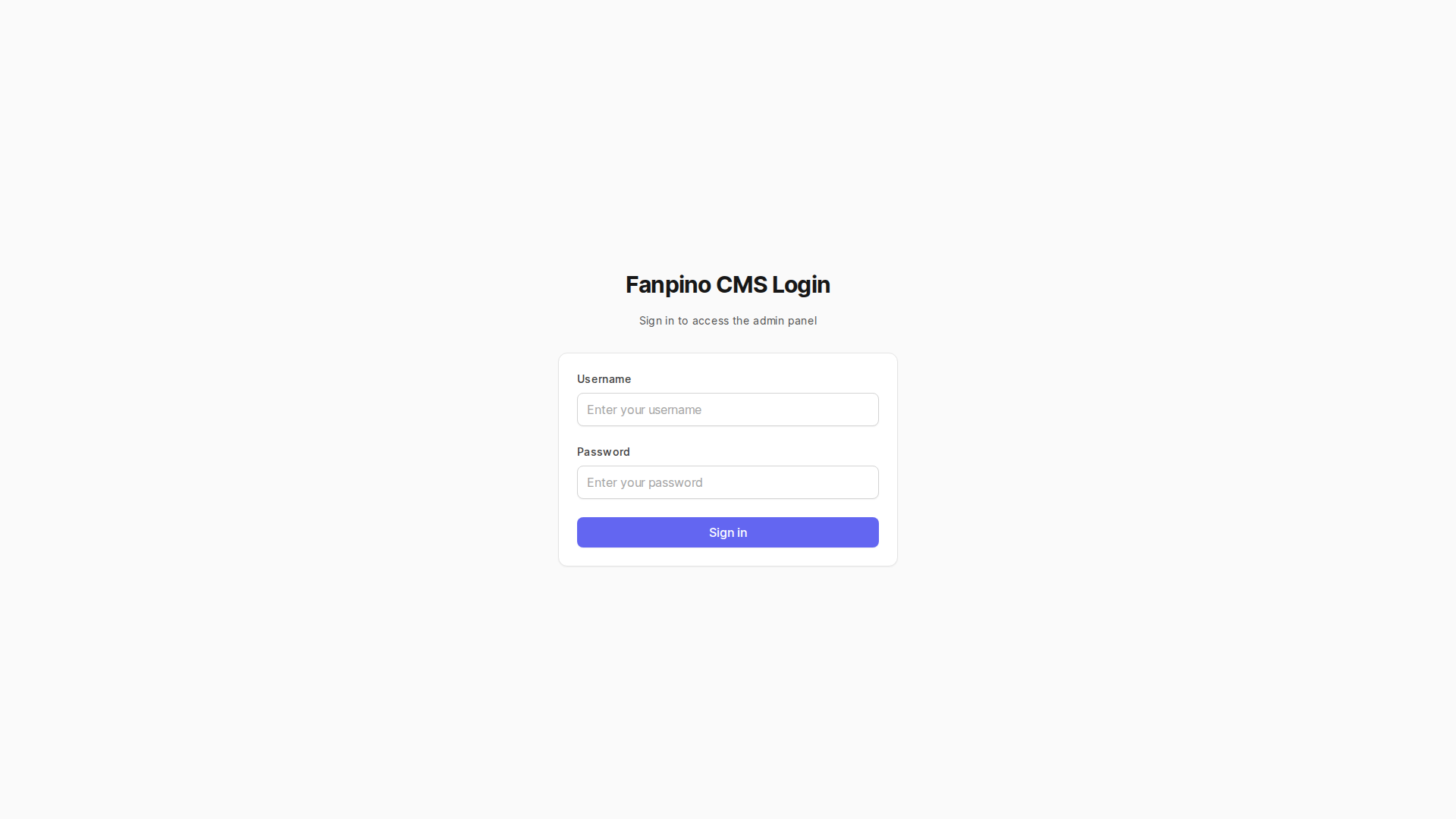
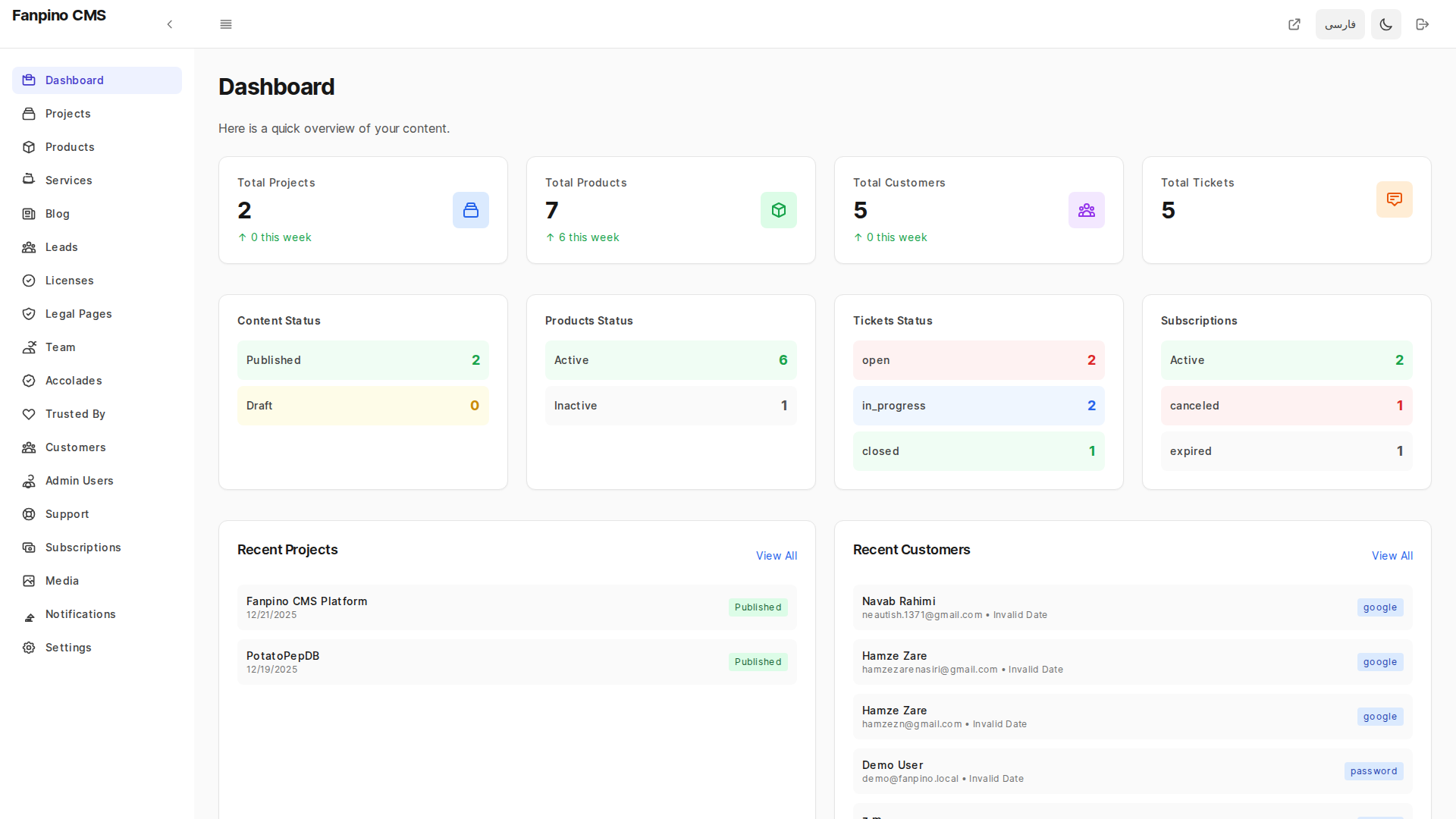
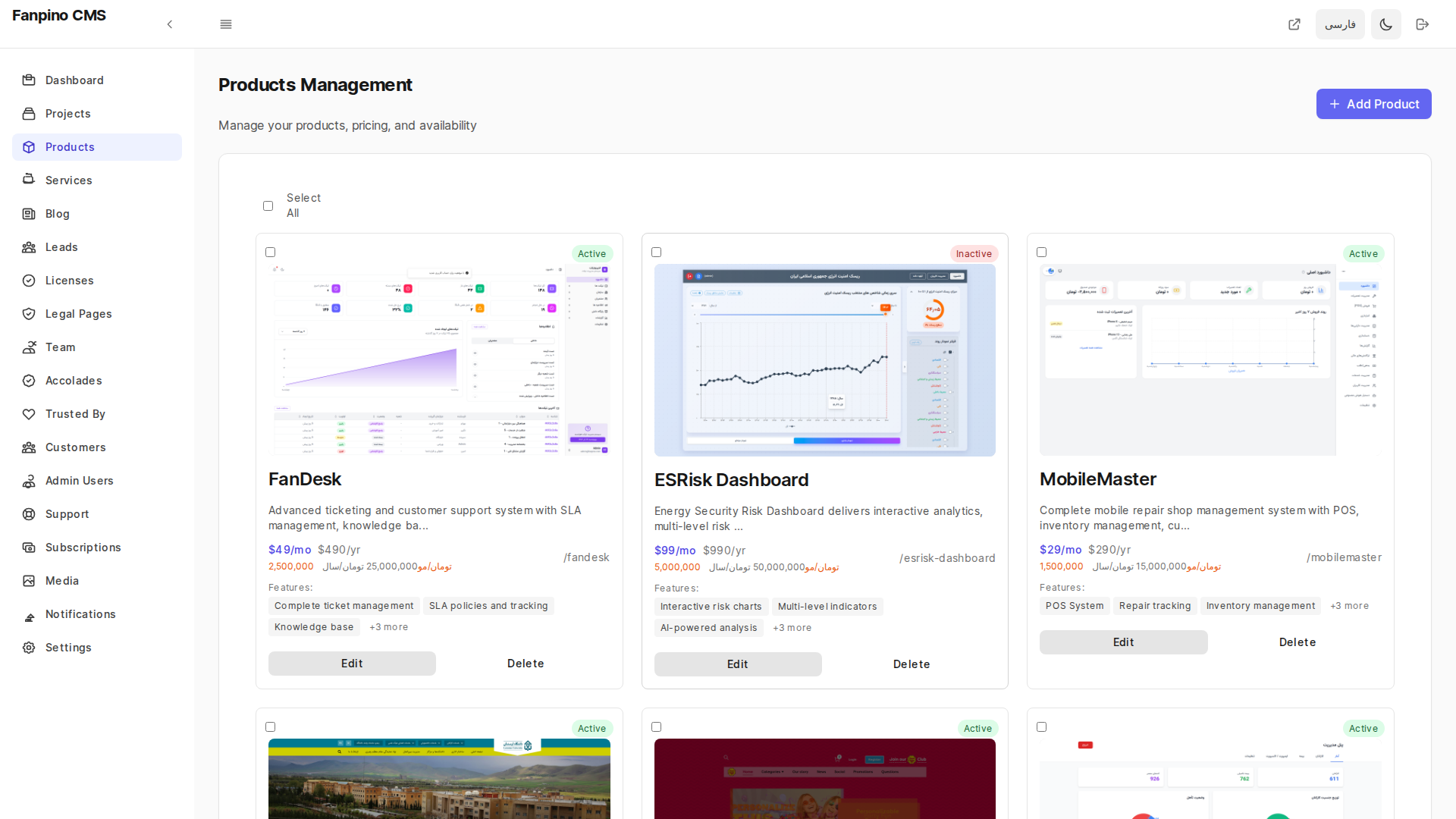
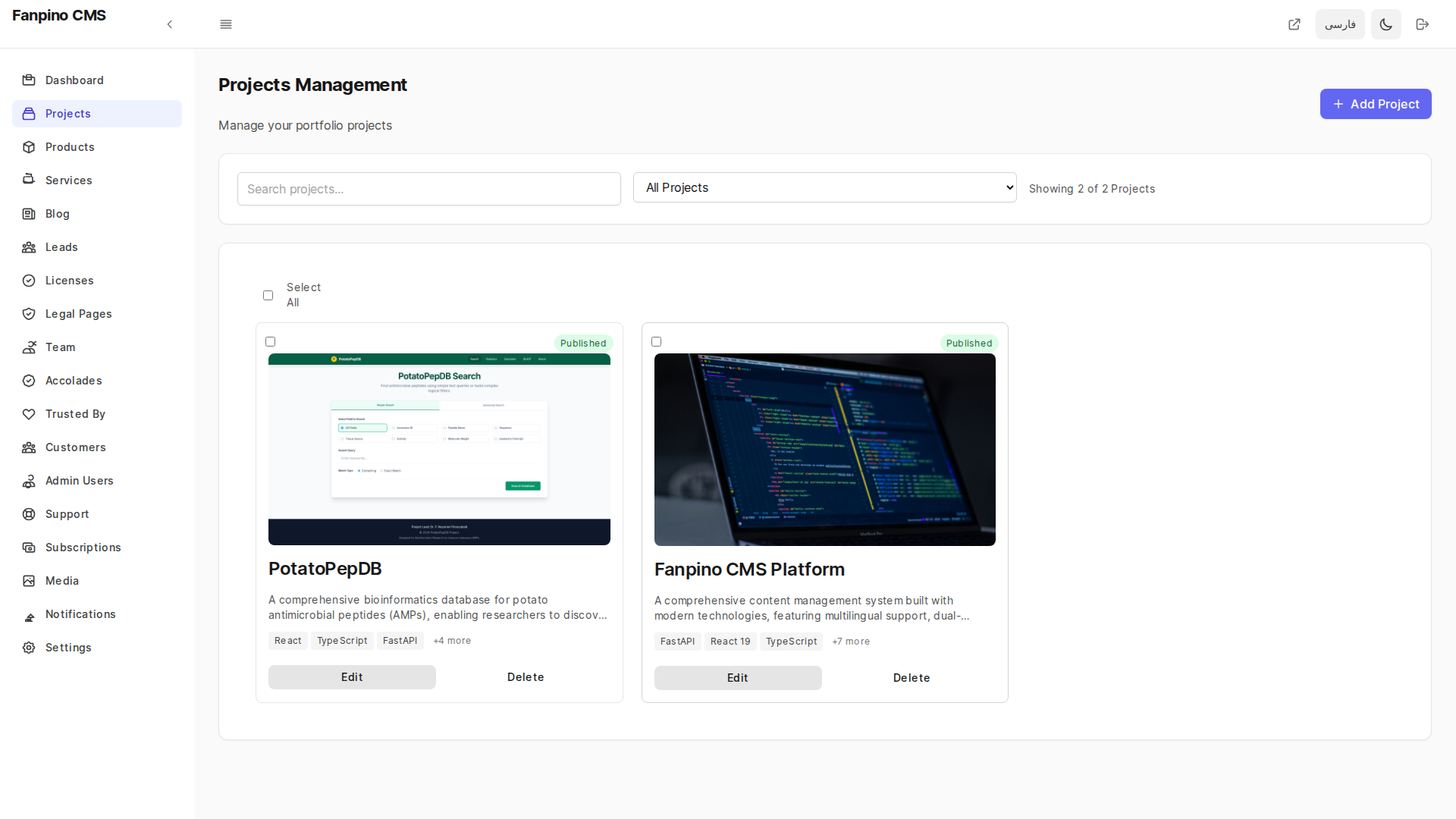
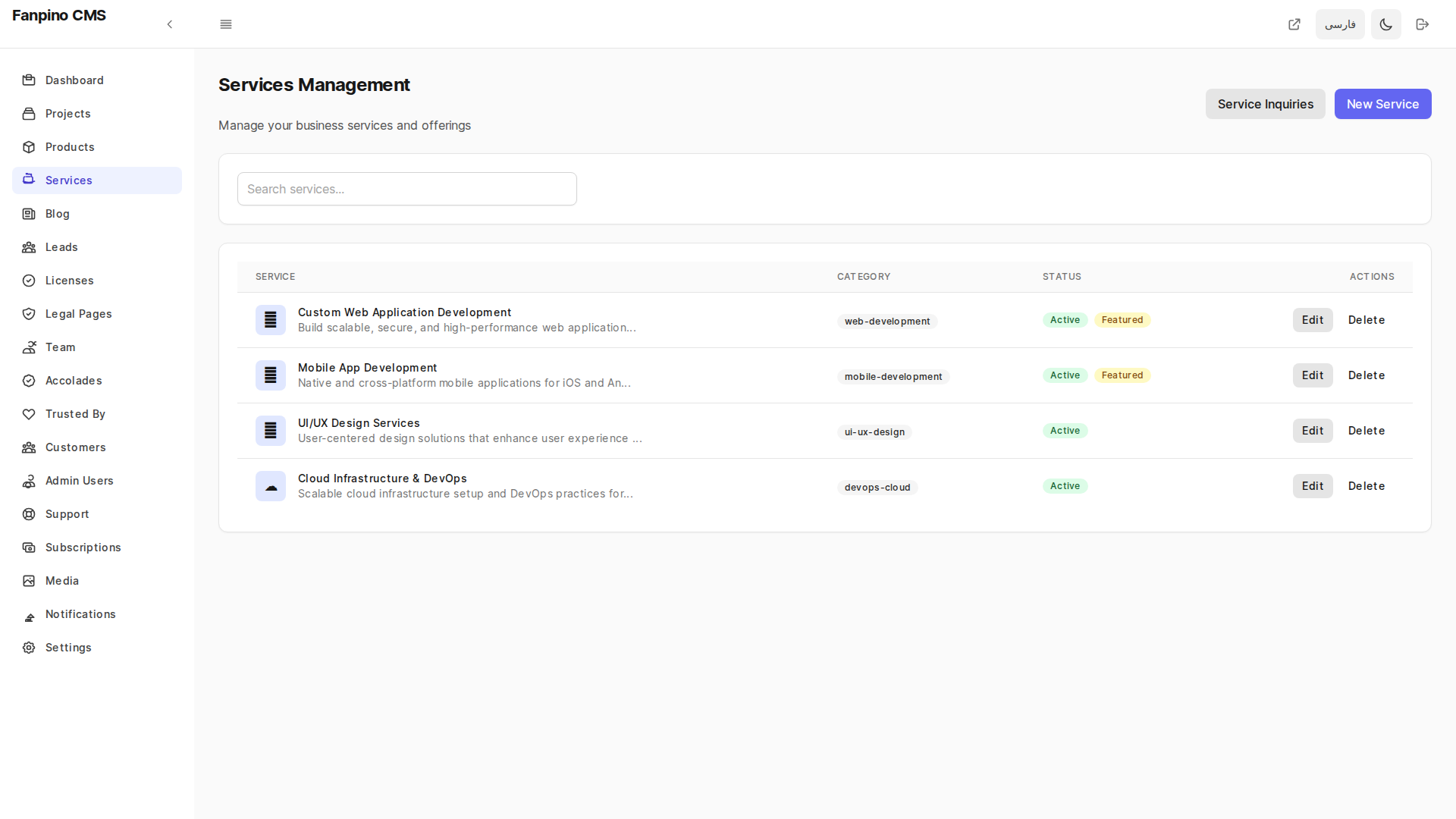
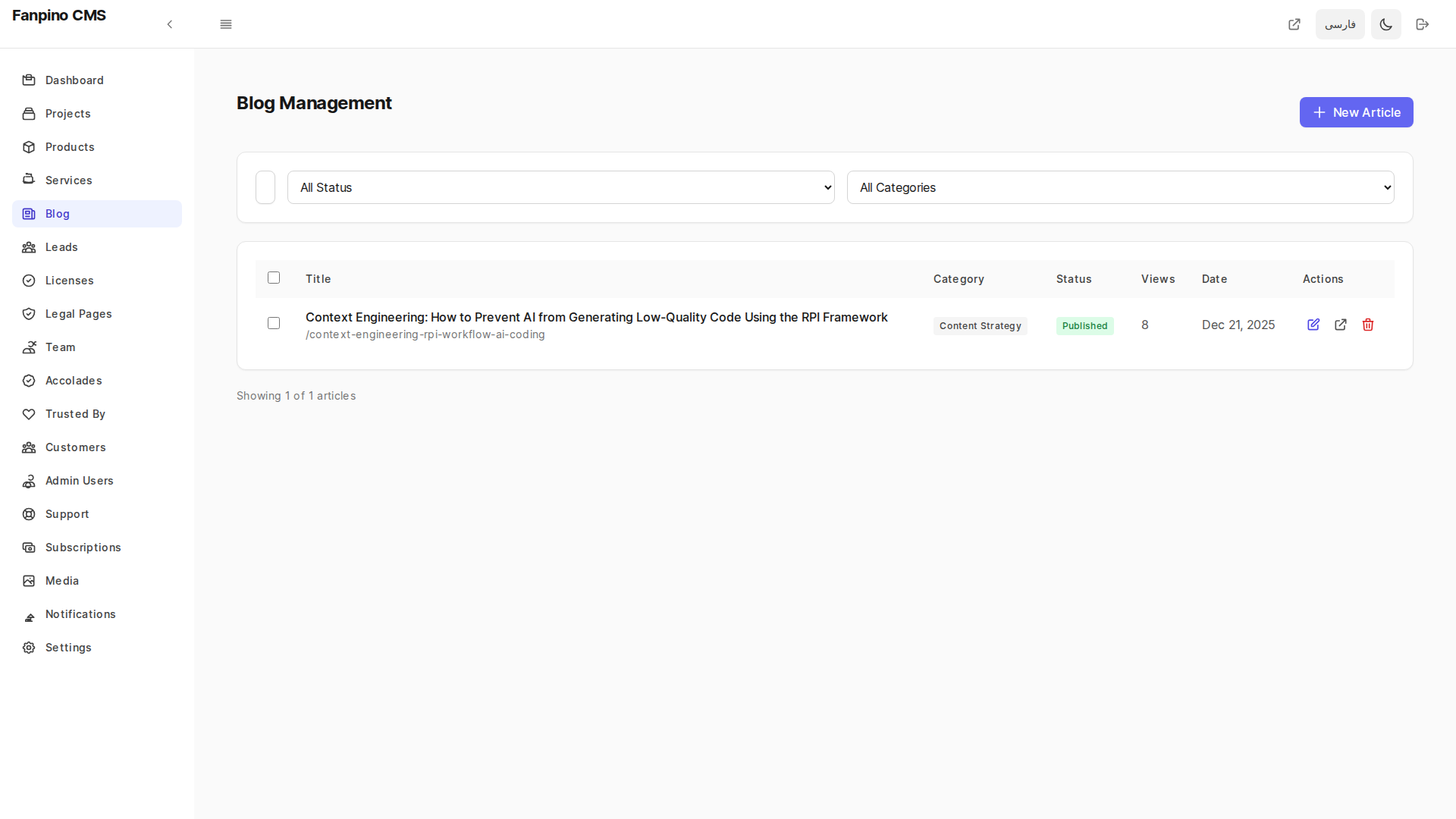
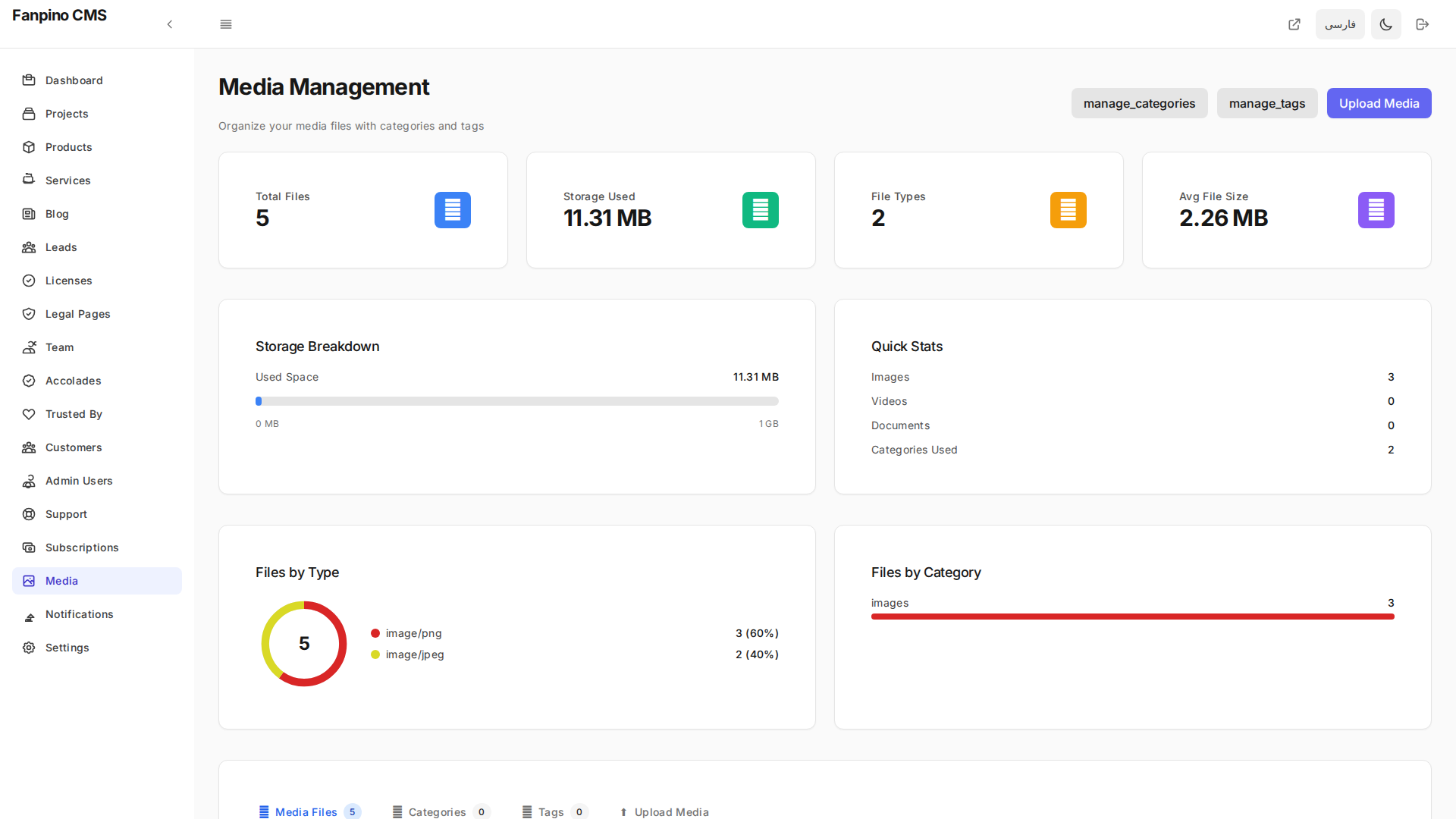
- Complete Admin Dashboard: Manage products, projects, services, customers, support tickets, and more
- Customer Portal: Self-service account management and support
- Integrated Support System: Full ticketing system with file attachments
- SEO Optimized: Meta tags, structured data, and performance optimization
Architecture Highlights
Service Layer Pattern
Clean separation between API routes, business logic services, and data access layers ensures maintainability and testability.
Atomic Design Components
Reusable UI components built following atomic design principles - from basic atoms (buttons, inputs) to complex organisms (forms, dashboards).
Type Safety
End-to-end type safety with TypeScript on the frontend and Pydantic models on the backend eliminates entire classes of bugs.
AI-Friendly Documentation
Comprehensive inline documentation, consistent naming conventions, and standardized patterns make the codebase easy for AI assistants to understand and modify.
Results
The platform successfully serves as our main business website, handling:
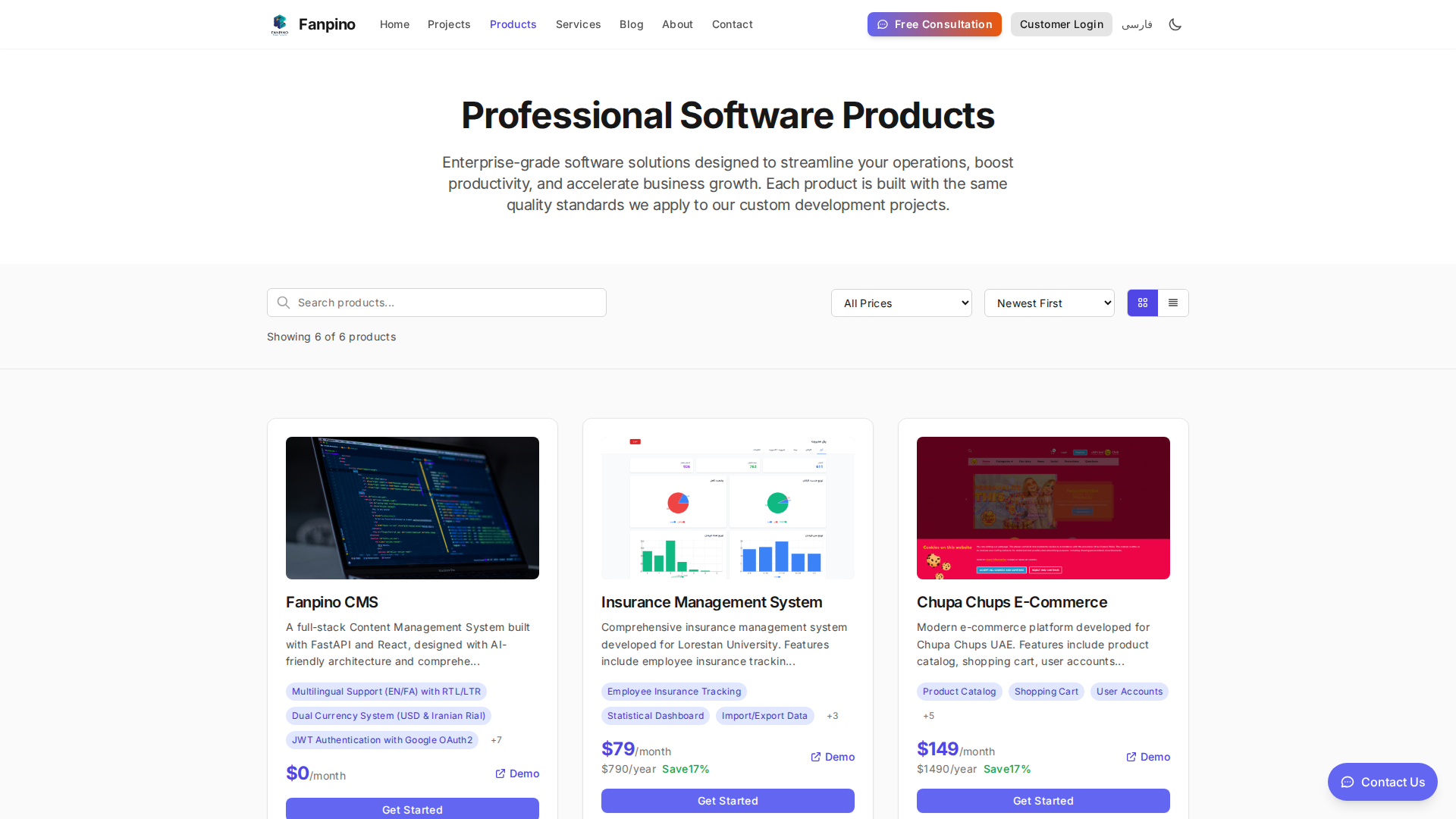
- Product showcases with dual-currency pricing
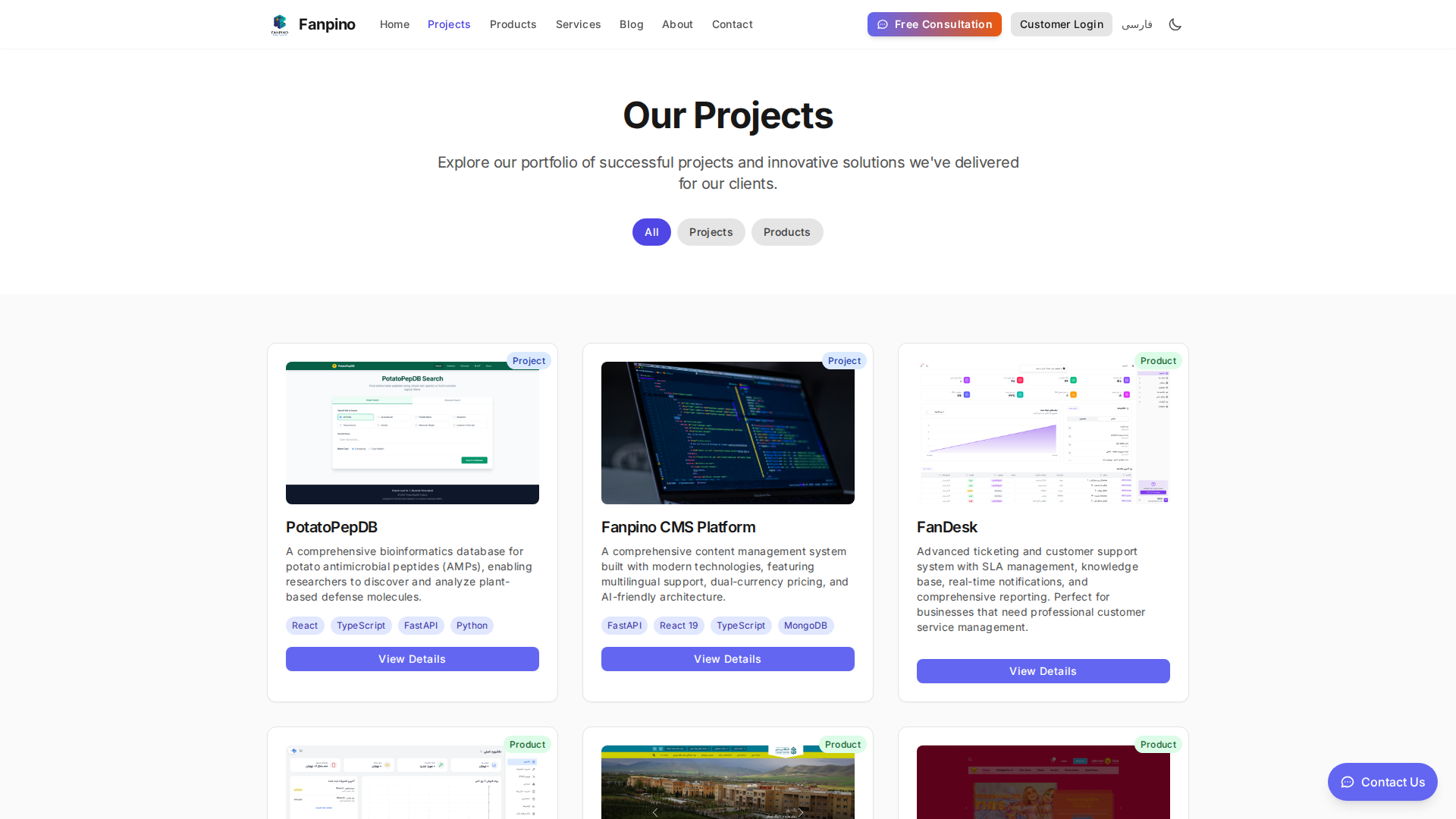
- Project portfolio with detailed case studies
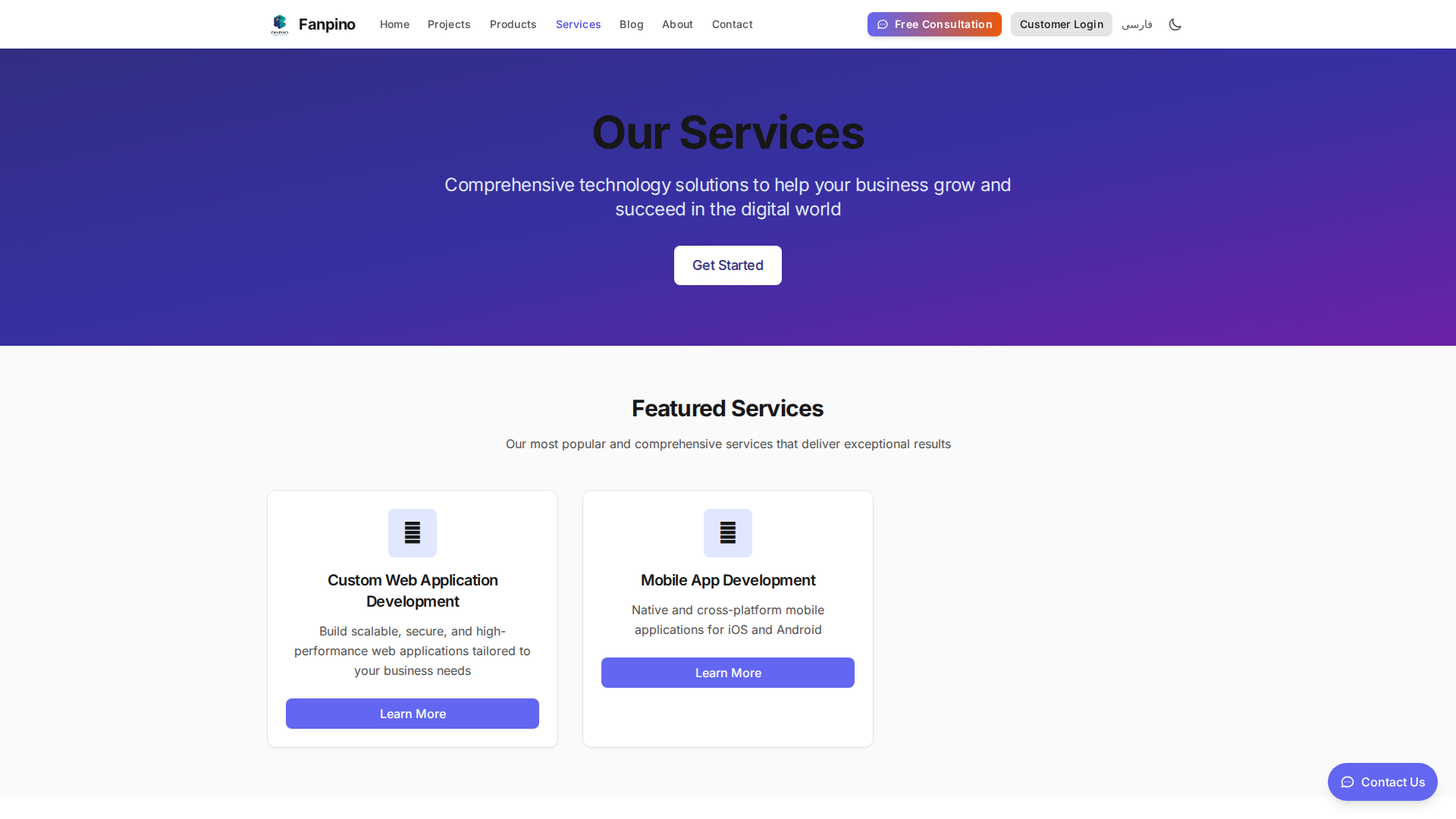
- Service offerings with inquiry system
- Customer authentication and dashboard
- Support ticket management
- Blog and content publishing
Lessons Learned
- Invest in Type Safety: The upfront cost of TypeScript and Pydantic pays dividends in reduced bugs and easier refactoring
- Document for AI: Modern AI assistants can significantly accelerate development when codebases are well-documented
- Design for Internationalization Early: Adding RTL support after the fact is much harder than designing for it from the start
- Embrace Modern Build Tools: Vite’s speed improvements make a real difference in developer productivity