A Good System That Only One Department Uses
Many organizations follow the same path. The IT team gets tired of scattered tickets across email and Telegram, buys a proper ticketing tool, defines SLAs, and after a few months things are organized. The problem is that the organizing usually stops right there.
HR, procurement, facilities, research administration — they're all still working the old way. An employee calls about leave request. A faculty member messages someone directly to book a conference room. A student shows up in person for the third time chasing a certificate. None of this ever touches the IT ticketing system, because none of it has anything to do with IT.
Three Signs a Department Is Still Outside the System
- Tracking only works by phone call. If the only way to check a request's status is calling a specific person, that request was never actually recorded anywhere.
- History disappears when the responsible person changes. Past requests live in a personal chat or inbox belonging to someone who no longer works there.
- No visibility into workload. A department head can't say how many requests came in last month, how long they took, or where they're stuck.
Why "Just Give Everyone the IT Tool" Doesn't Work
The obvious first move is: since the IT ticketing tool works, hand it to every other department too. But HR doesn't want to see IT's hardware request forms, and IT shouldn't have leave requests sitting in its own queue. Dump everything into one shared catalog and every department drowns in requests that have nothing to do with them — the same chaos as before, just inside a more expensive tool.
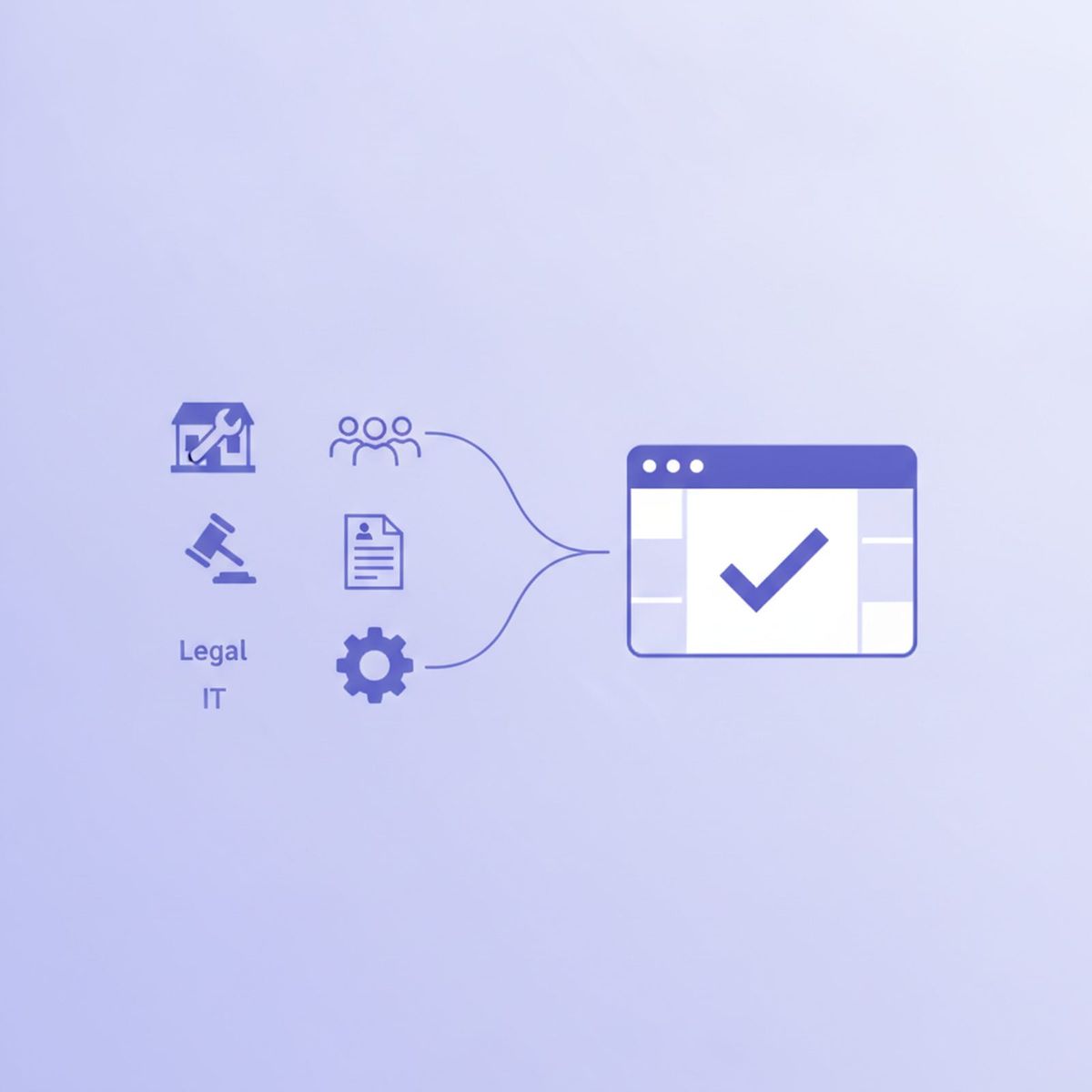
What's actually needed is one window for the end user — an employee or student goes to a single place to submit a request — while behind that window, each department keeps its own catalog, queue, and owner. The employee doesn't need to know that a broken power outlet goes to facilities and an employment certificate goes to HR; the system handles the routing.
FanServe Does Exactly That Separation on One Shared Engine
FanServe runs on the same FanDesk ticketing engine (SLA monitoring, chat, knowledge base, reporting), but gives every group in the organization its own role-based catalog. Any request, from any department, becomes a trackable ticket with status, an assigned owner, and a response deadline — without departments ever seeing each other's catalogs.
This is exactly the setup already running at a state university for educational, student, research, welfare, and cultural services: five completely different domains, one shared entry window for students, and unified reporting so management can see the workload in each domain.
The Core Point
Departments stuck outside the system isn't a tooling problem — it's a missing routing layer between the requester and the different departments. Once that layer exists, each department can run its own workflow without falling back to phone calls and personal messages.