Blog
Insights, tutorials, and updates from the Fanpino team.
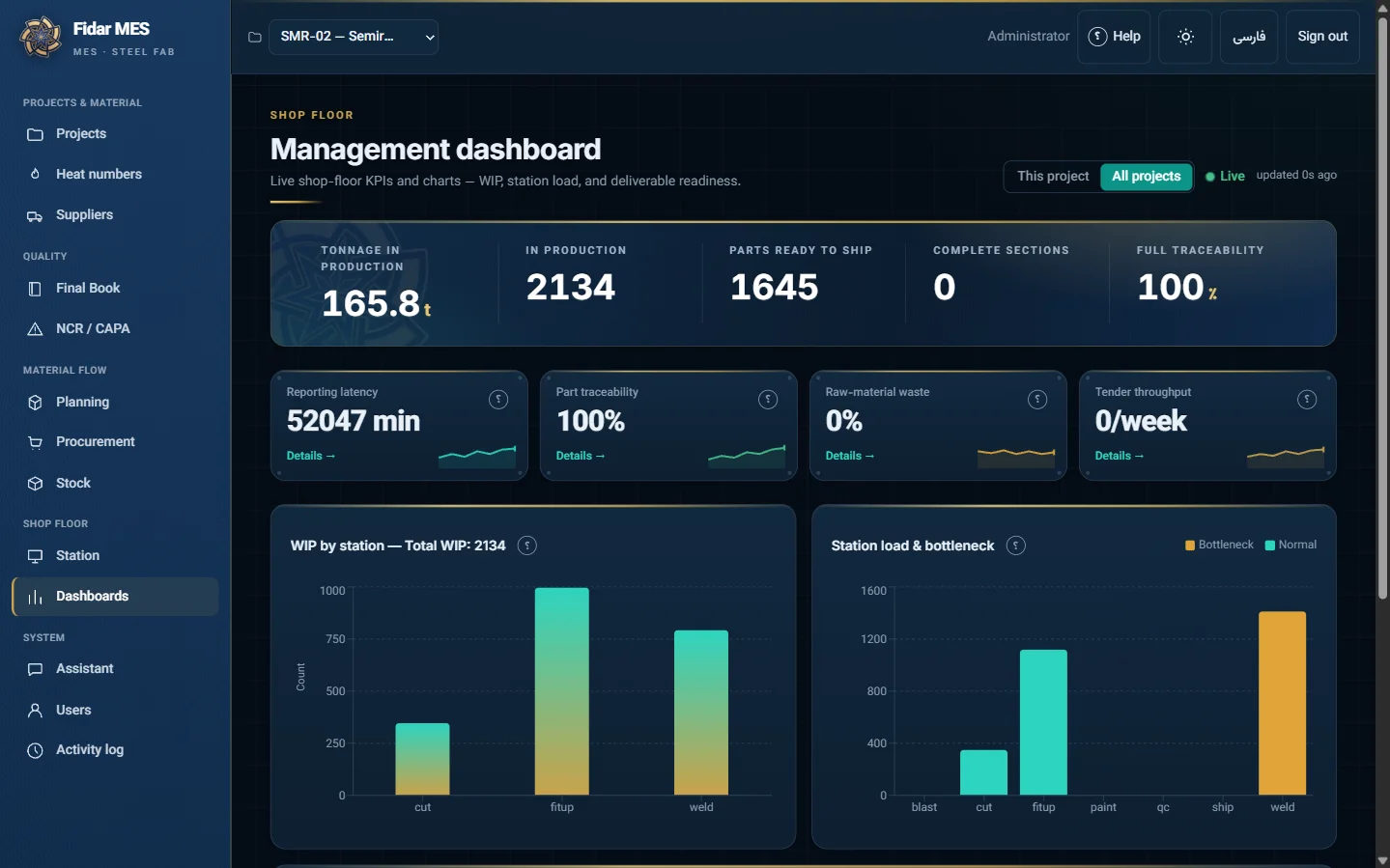
Linked by Default: Why SteelFlow Ties WPS-WPQ, NDT, and NCR/CAPA to Every Part
Welder qualification, procedure approval, and inspection results usually sit in three disconnected records. SteelFlow keeps them linked to every part from the start, so an audit or a failure doesn't require manual reconstruction.
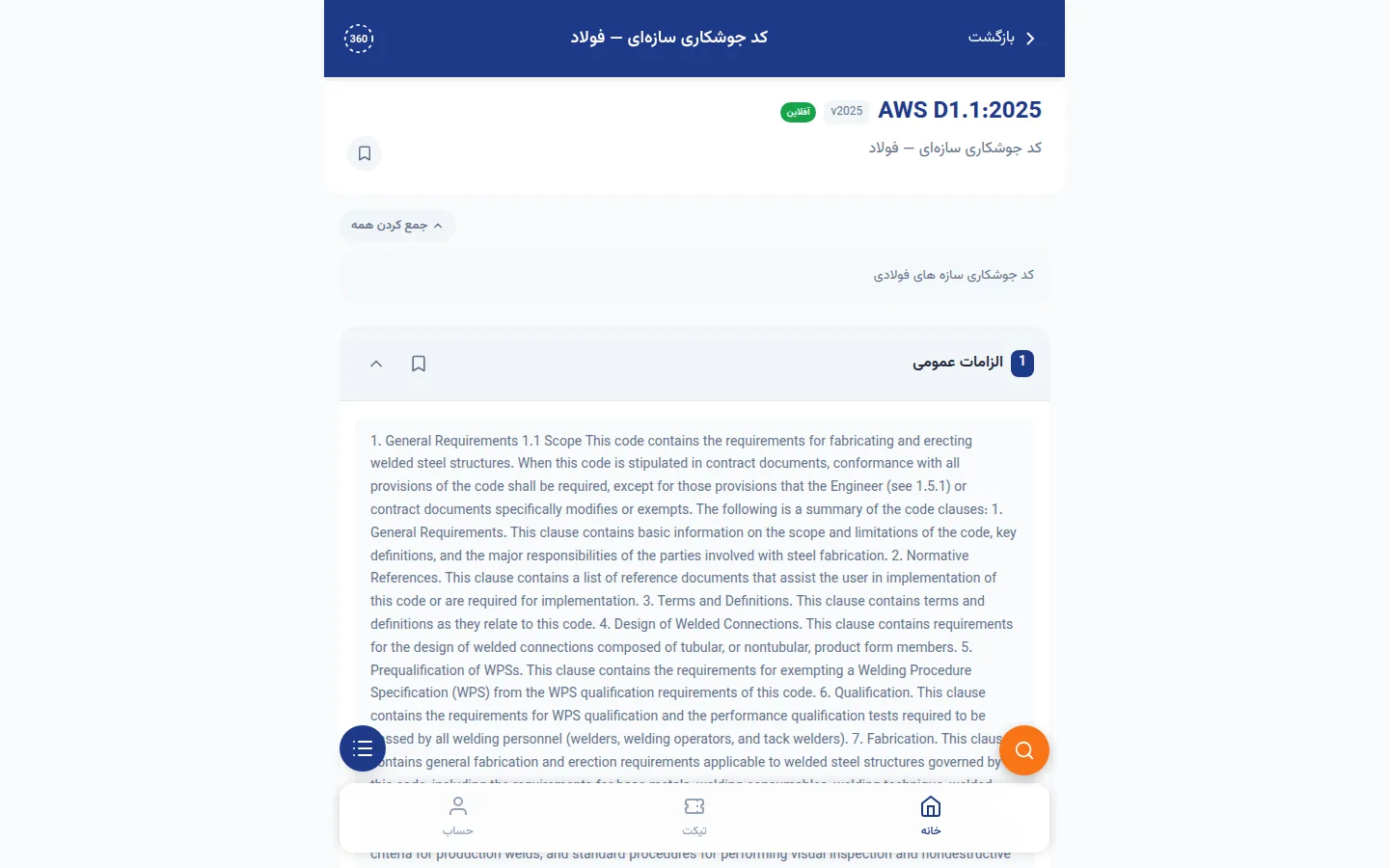
Bilingual Standards, Not Informal Translation: Why Probe361 Maintains Persian Content Clause-by-Clause
An informal WhatsApp translation of a welding standard drifts from reality every time a revision ships. Probe361 maintains clause-by-clause Persian translations mapped to the exact original clause.
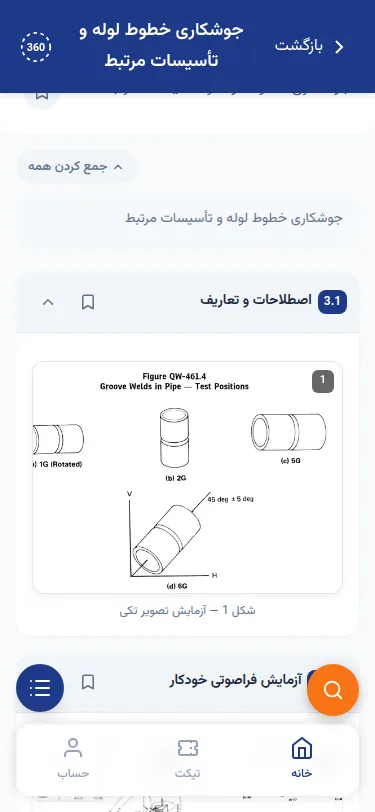
Why a Personally-Paid Reference Tool Has to Earn Its Renewal, Every Time
Enterprise software gets adopted top-down. A tool an inspector subscribes to personally has to earn its renewal on a job site with no signal, which is why offline favorites matter more than any feature list.

Multi-Location Repair Shops: Why Data Isolation Matters Before You Need It
A spreadsheet survives one repair shop location. The second branch is where per-shop data isolation, role-based access, and audit logs stop being nice-to-have and start preventing real disputes.
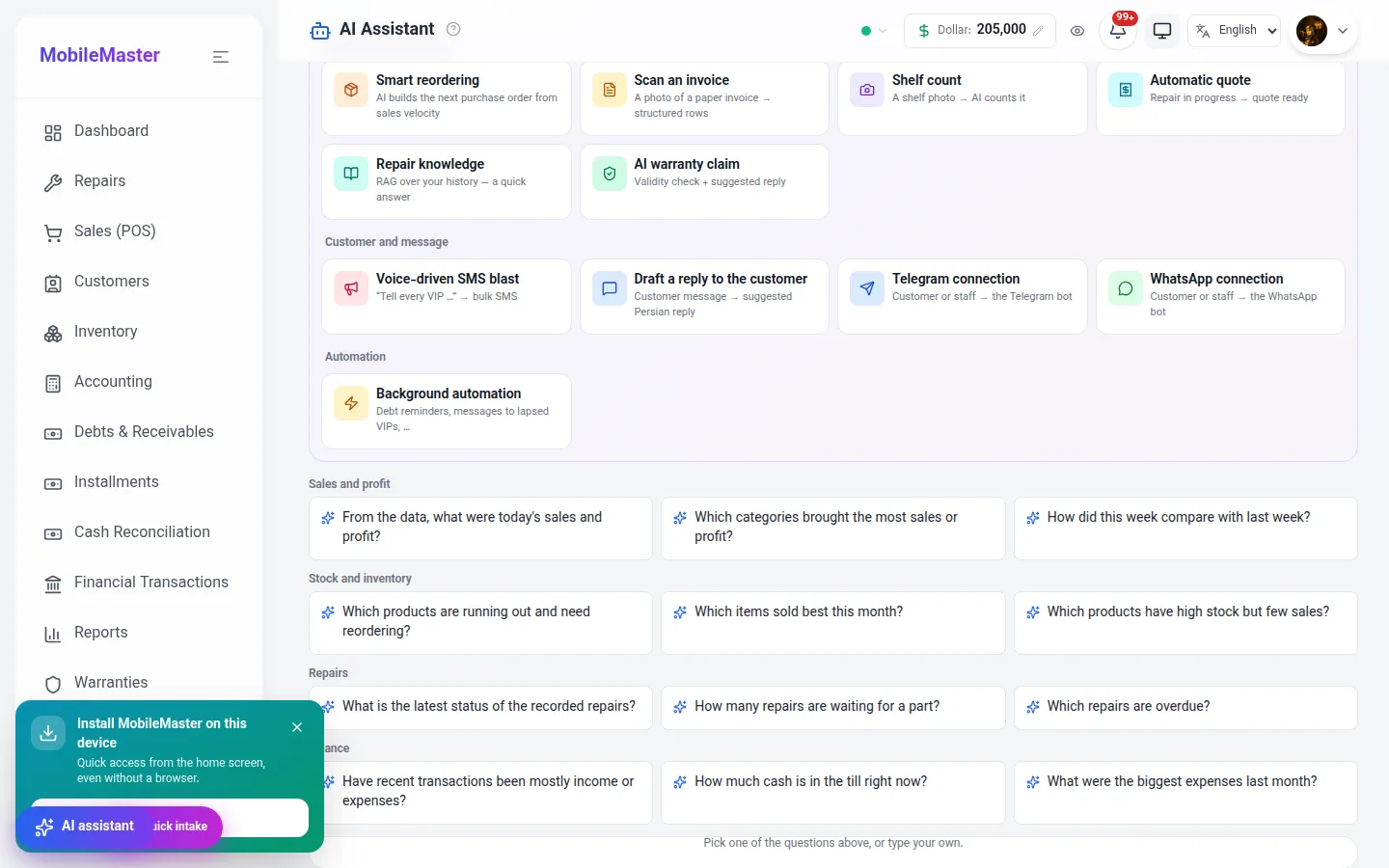
A Repair Quote in Seconds, Not a Guess: AI-Assisted Diagnostics in Mobile Master
A counter quote is usually a tech's memory of similar repairs, accurate often enough to matter when it's wrong. Mobile Master grounds AI-suggested quotes in the shop's own repair history, not an industry average.
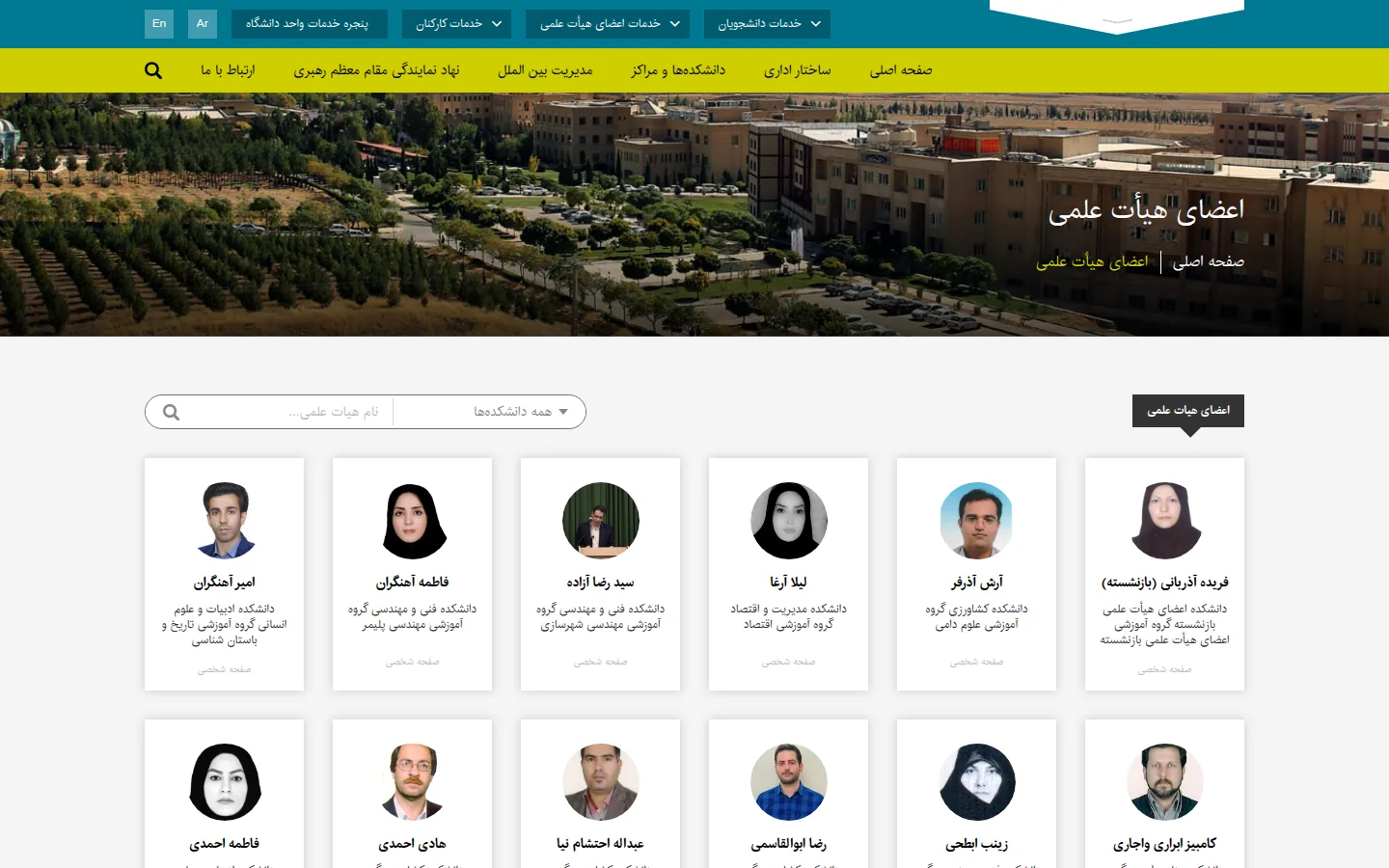
FanProfile: Why a Faculty Directory Gets Its Own App, Not a CMS Page Type
A public faculty directory has a different audience, traffic shape, and permission model than a CMS admin panel. FanProfile is its own REST API for exactly that reason.
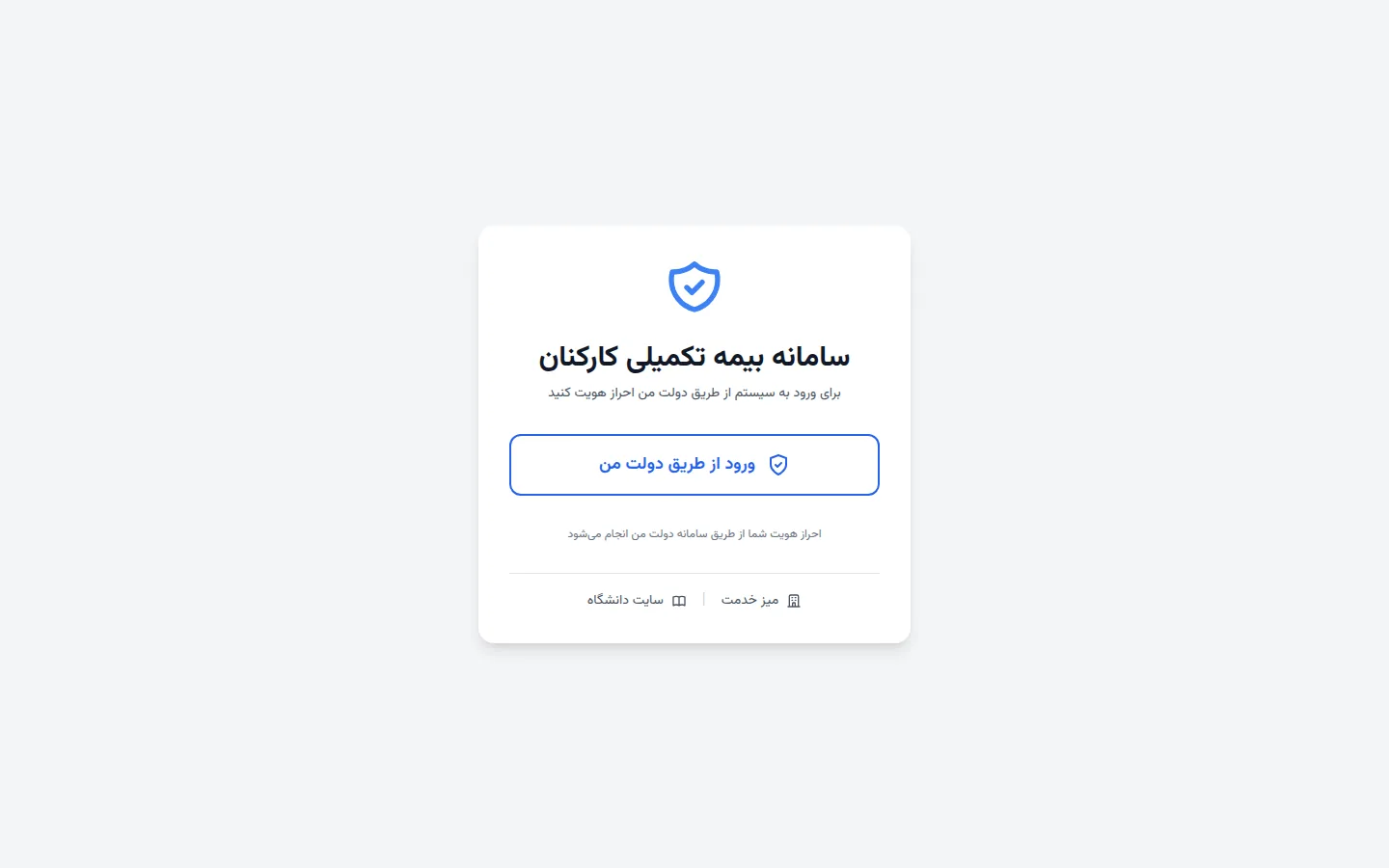
Why FanCover Runs as Its Own Isolated Service, Not a CMS Module
Staff insurance data shouldn't share a trust boundary with a public website's CMS. FanCover runs as its own service with a dedicated database and national-identity login instead of a password.
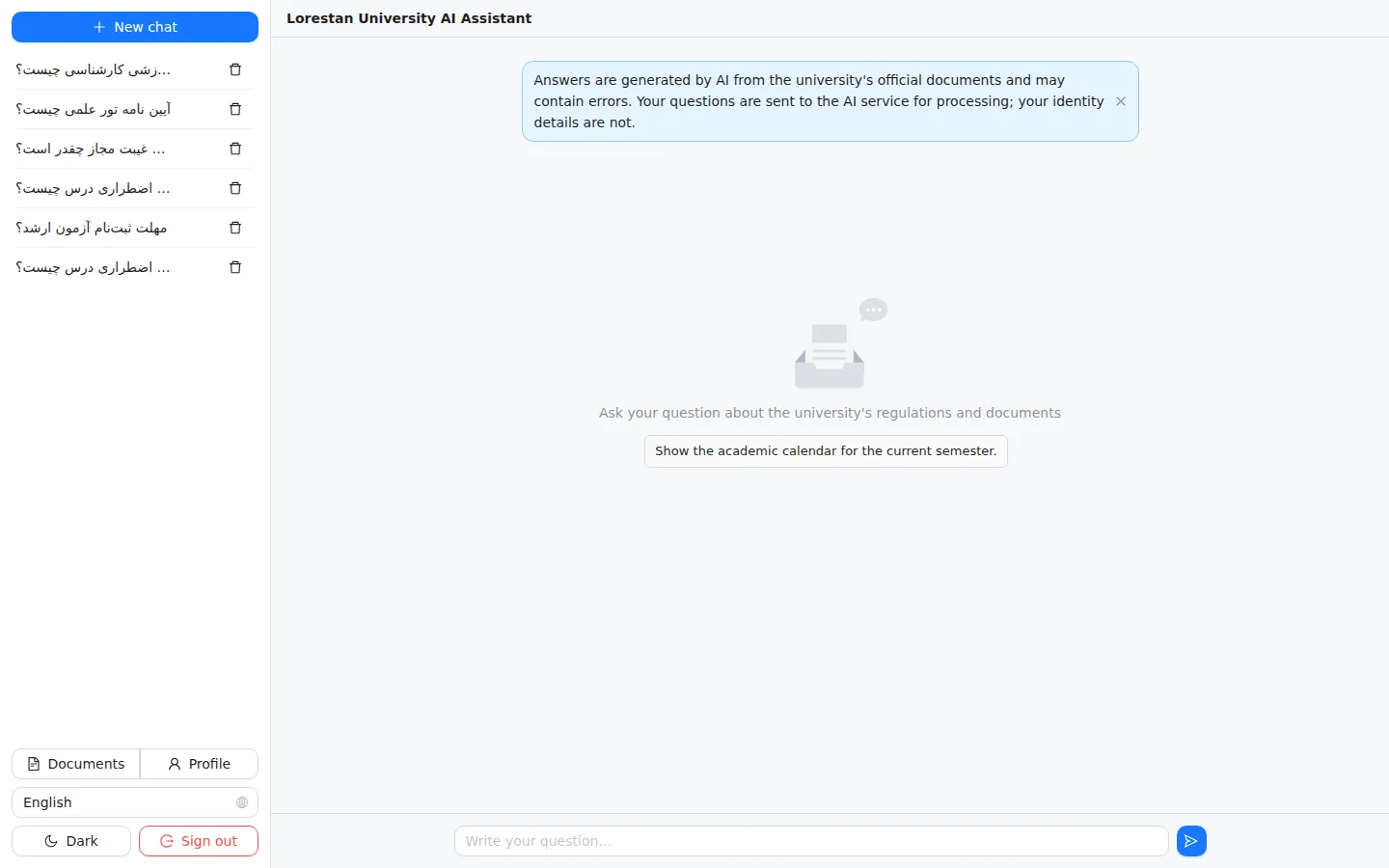
On-Premise or Cloud? Why FanMind Doesn't Force One Answer
Where an AI assistant's model runs is a governance question that depends on what's in the documents, not a technical preference. FanMind supports both on-premise and cloud so the decision follows the data.
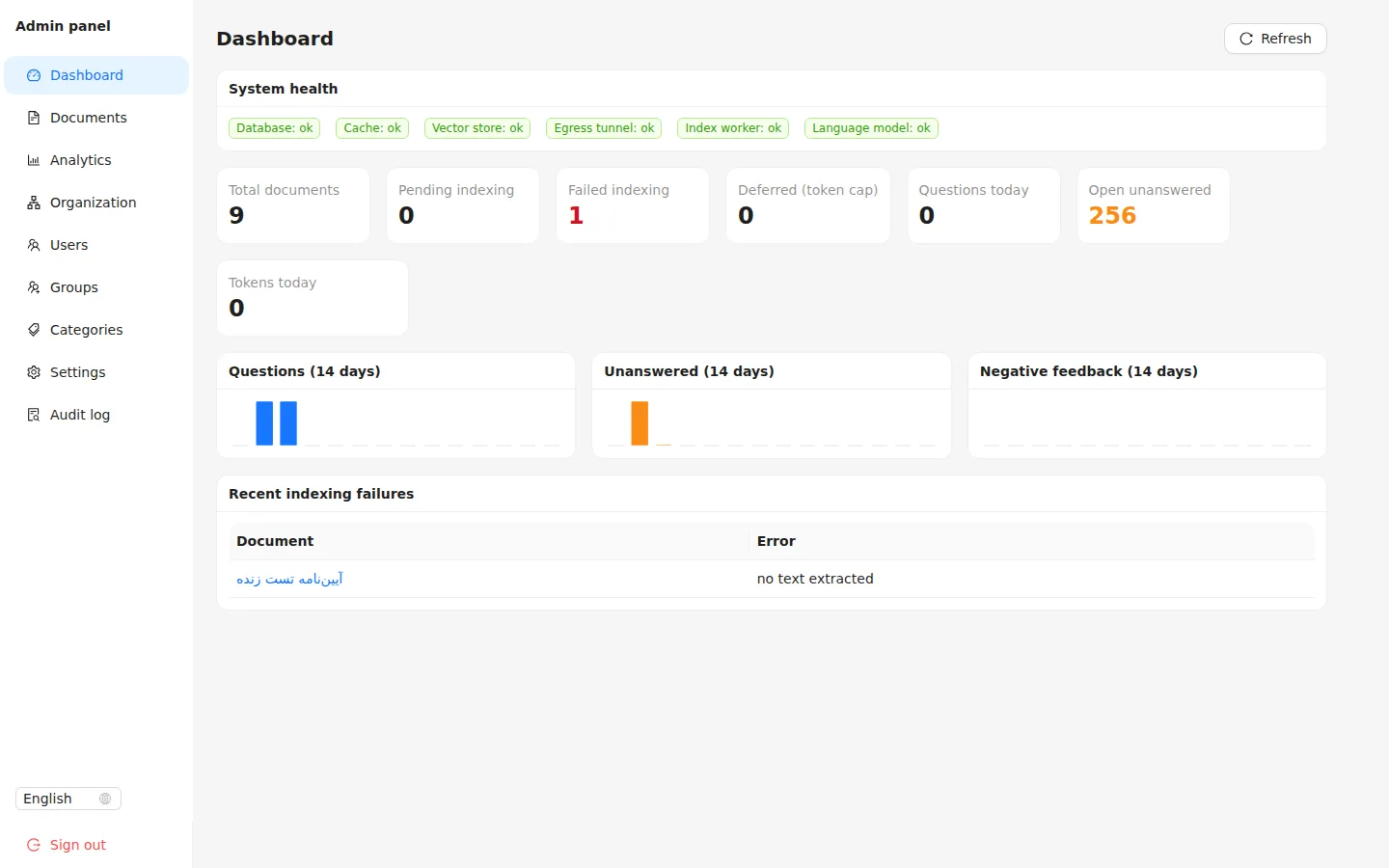
Single Sign-On Decides Whether an Institutional AI Assistant Gets Adopted
PwC found 79% of companies adopting AI agents, but two-thirds of executives said fewer than half their staff use them. The gap is trust, not model quality. FanMind logs in through the org's existing national identity provider instead of one more password.
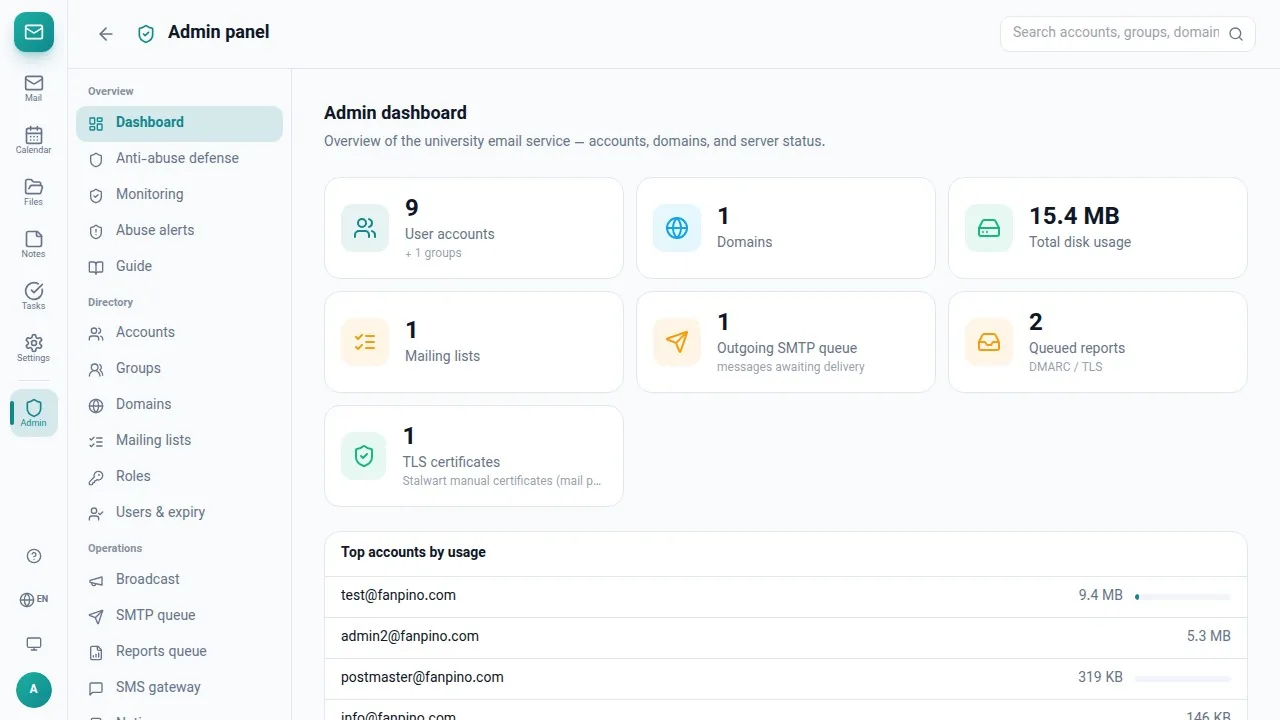
SMS Login, Not Just an Authenticator App: FanMail's Local-Market Security
Commercial webmail assumes everyone has an authenticator app set up. FanMail supports SMS OTP/2FA and email-to-SMS notifications as first-class features, because that's what actually gets 2FA adopted at 10,000-user scale.
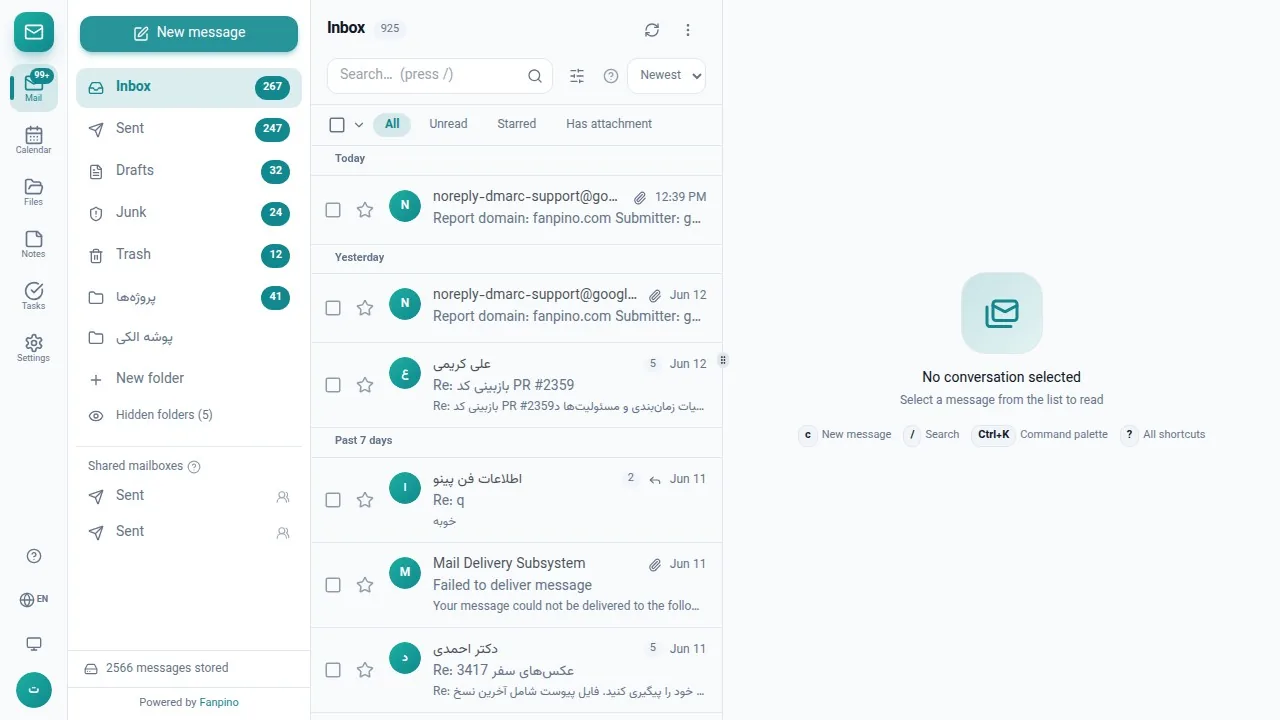
JMAP, Not IMAP: Why FanMail's Webmail Doesn't Feel Like Webmail
IMAP dates from 1986 and was built for desktop clients with a long-lived connection. JMAP (RFC 8620/8621) was written for web and mobile clients. Here is how the two compare, side by side, and why FanMail webmail uses JMAP.
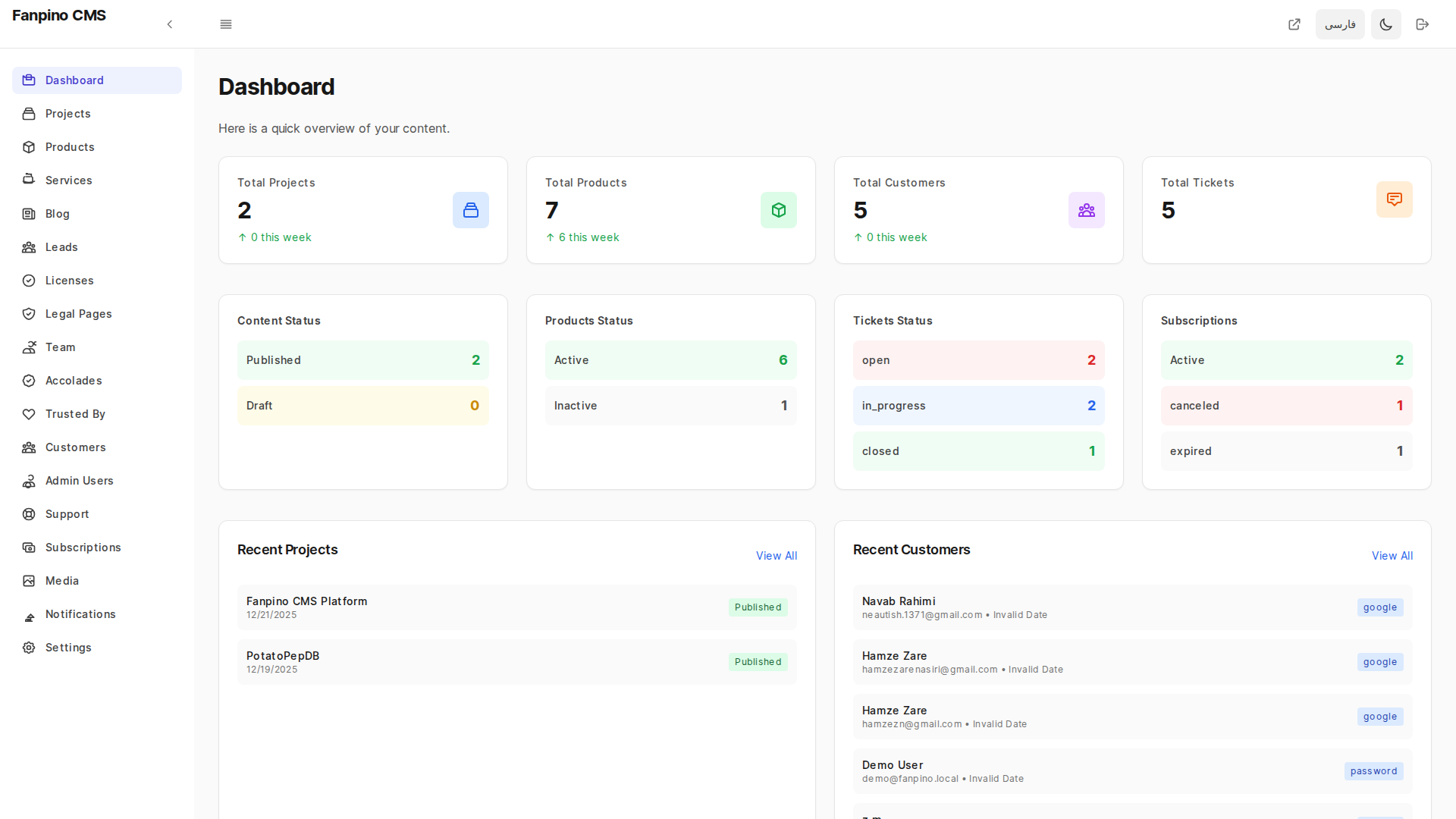
Docker-First and Self-Hosted: Owning Your Content Infrastructure
Fanpino CMS ships as containers you run yourself, with JWT + Google OAuth2 and role-based access control, so infrastructure decisions stay with the team that owns the product.
Last updated: