Blog
Insights, tutorials, and updates from the Fanpino team.
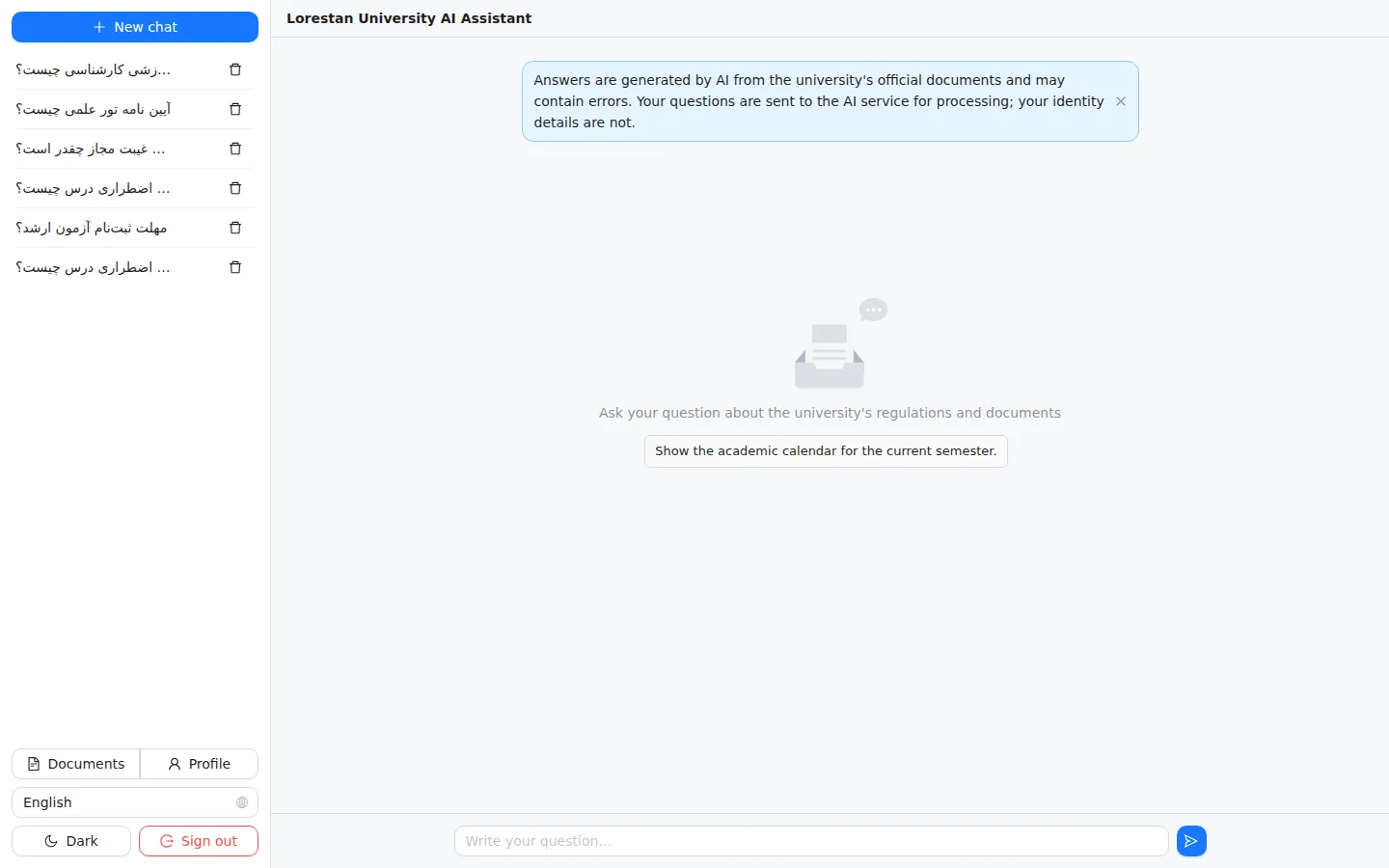
On-Premise or Cloud? Why FanMind Doesn't Force One Answer
Where an AI assistant's model runs is a governance question that depends on what's in the documents, not a technical preference. FanMind supports both on-premise and cloud so the decision follows the data.
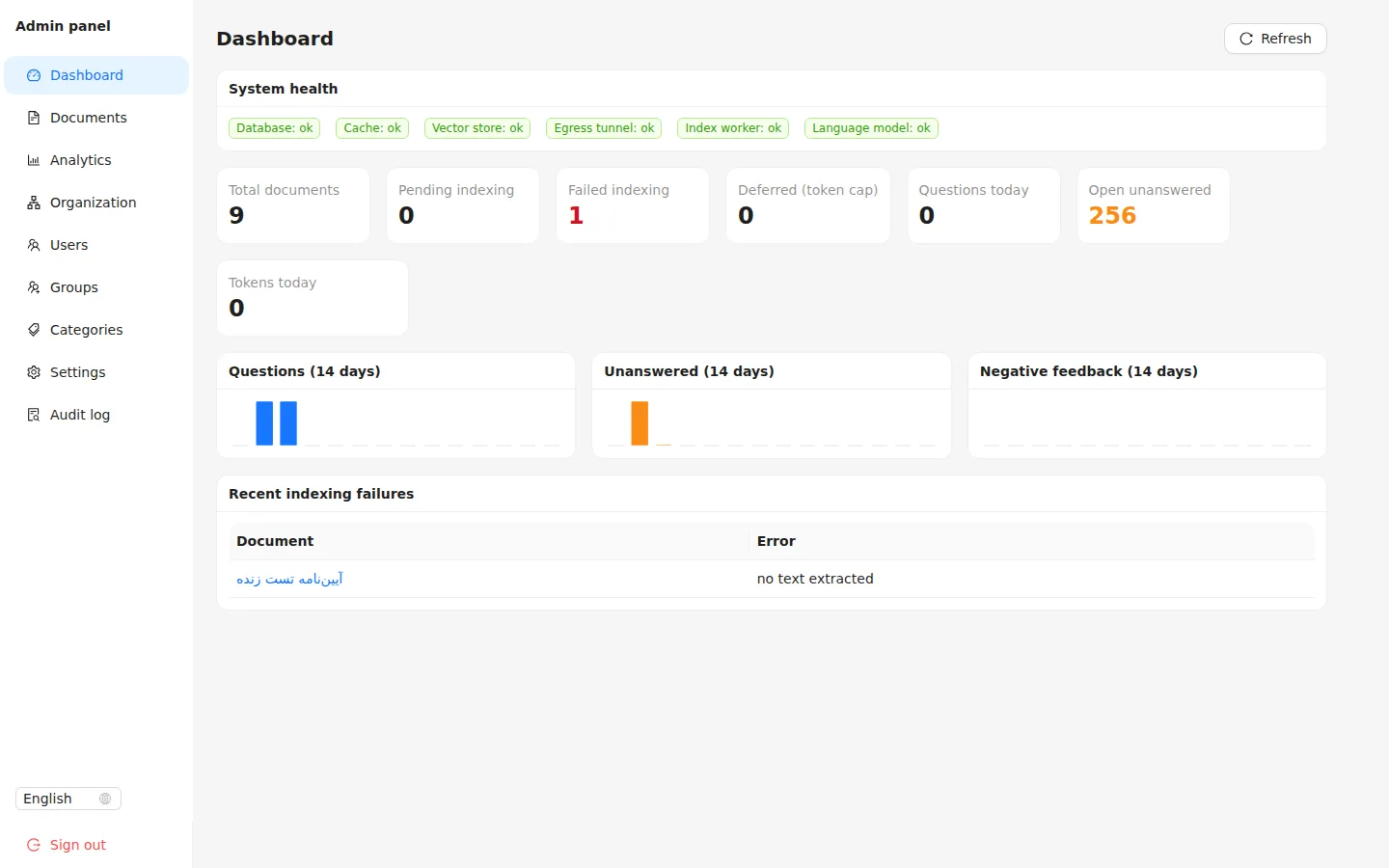
Single Sign-On Decides Whether an Institutional AI Assistant Gets Adopted
PwC found 79% of companies adopting AI agents, but two-thirds of executives said fewer than half their staff use them. The gap is trust, not model quality. FanMind logs in through the org's existing national identity provider instead of one more password.
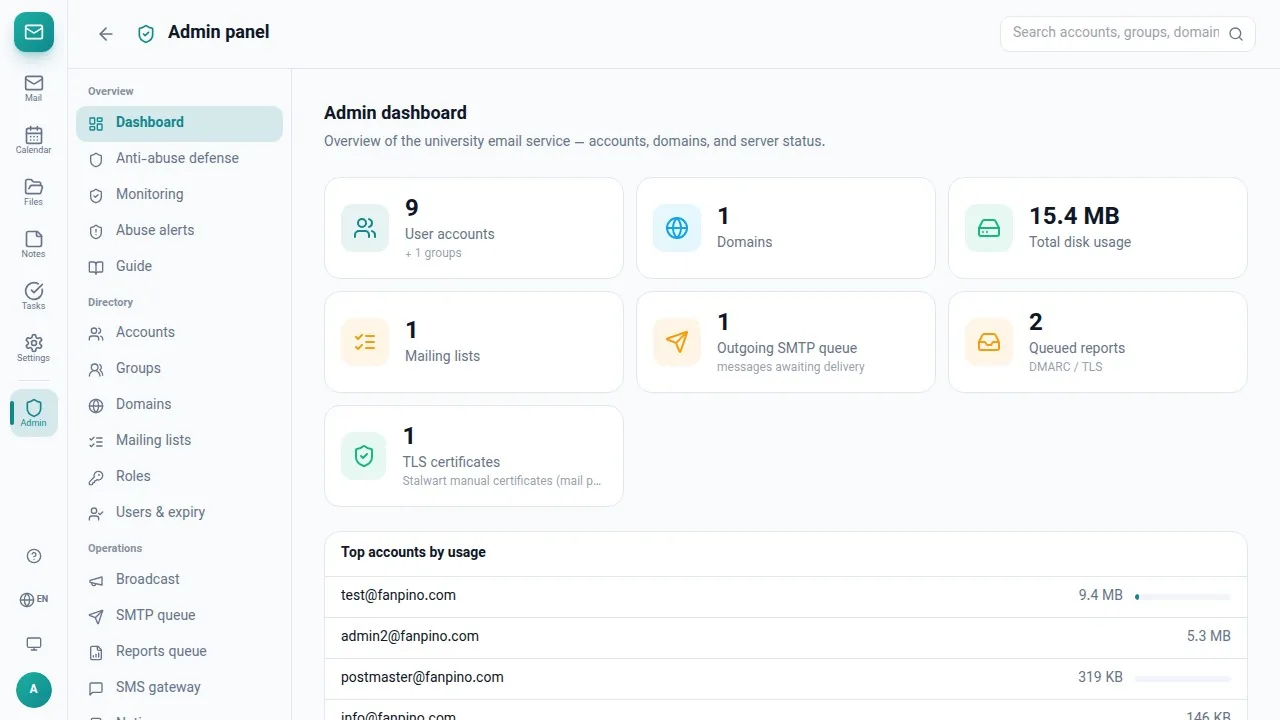
SMS Login, Not Just an Authenticator App: FanMail's Local-Market Security
Commercial webmail assumes everyone has an authenticator app set up. FanMail supports SMS OTP/2FA and email-to-SMS notifications as first-class features, because that's what actually gets 2FA adopted at 10,000-user scale.
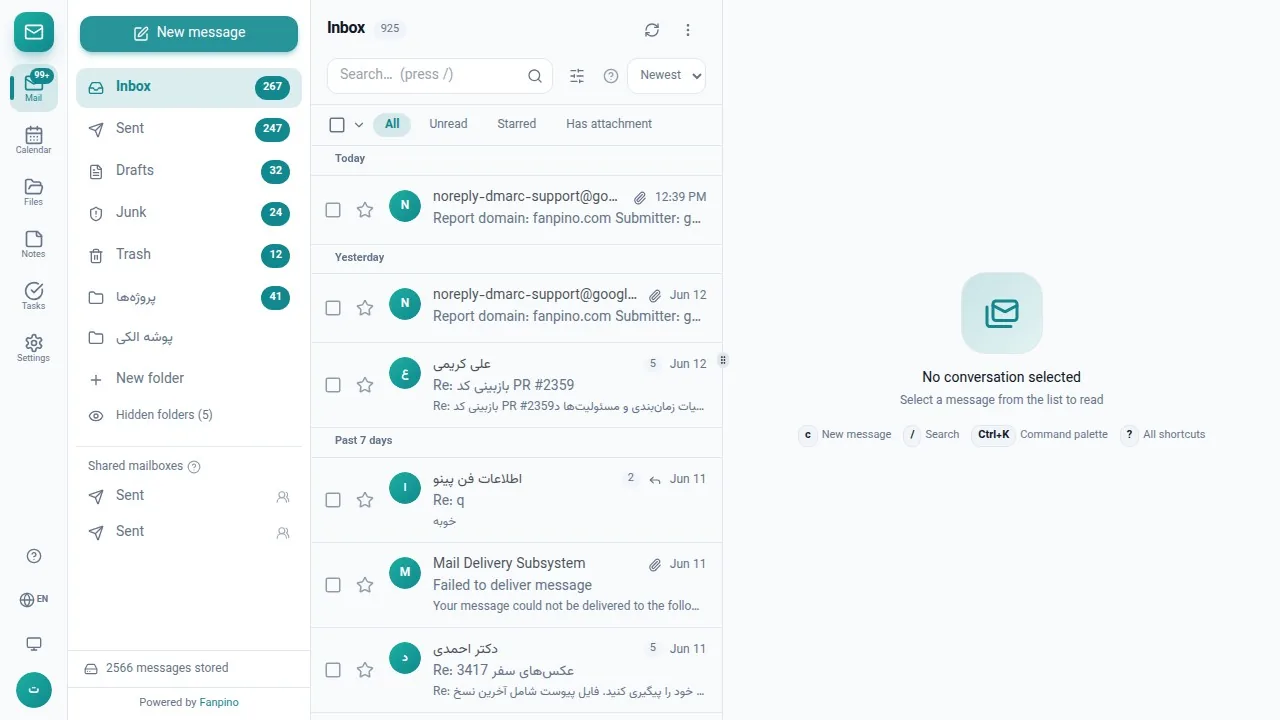
JMAP, Not IMAP: Why FanMail's Webmail Doesn't Feel Like Webmail
IMAP dates from 1986 and was built for desktop clients with a long-lived connection. JMAP (RFC 8620/8621) was written for web and mobile clients. Here is how the two compare, side by side, and why FanMail webmail uses JMAP.
Docker-First and Self-Hosted: Owning Your Content Infrastructure
Fanpino CMS ships as containers you run yourself, with JWT + Google OAuth2 and role-based access control, so infrastructure decisions stay with the team that owns the product.
SEO and Marketing for Bilingual Sites: What Fanpino CMS Builds In
SEO across two languages isn't 'SEO twice'; it's per-language meta tags, clean slugs, and pricing that matches search intent. Here's what's built in by default.
Fanpino CMS: A Bilingual Content Platform Built for RTL From Day One
Most multilingual sites bolt Persian onto an English CMS as an afterthought. Fanpino CMS builds en/fa fields into every content model from the schema up.
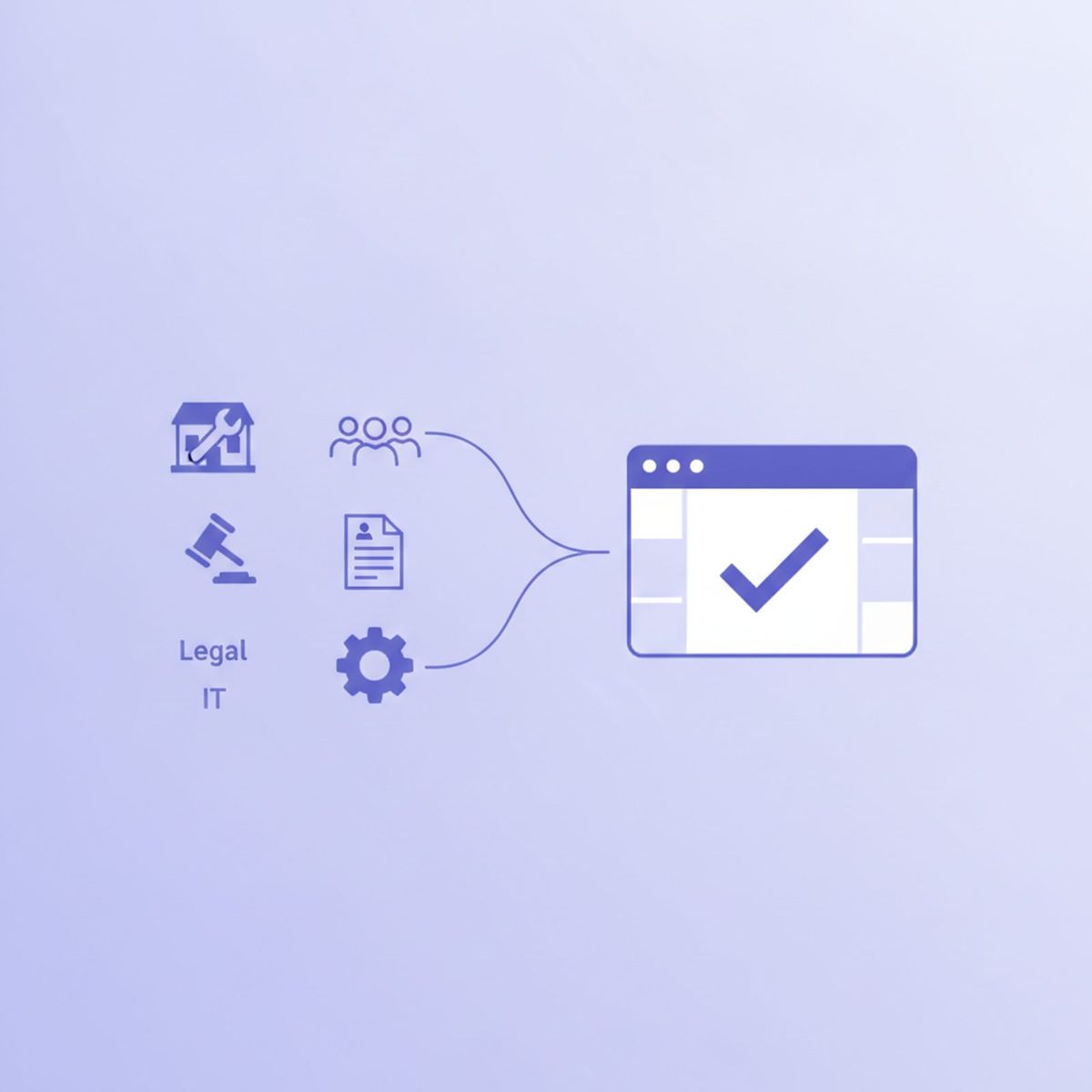
IT Has a Ticketing System. Every Other Department Still Runs on Phone Calls.
An organization buys a proper ticketing tool, IT gets organized, and every other department (HR, procurement, facilities) keeps running on phone calls and personal messages. Here's why copying the same tool to them doesn't fix it.

Why a General AI Assistant Can't Just Read Your Org's Documents
General AI assistants fed a whole shared drive fail in two specific, well-documented ways: confidently citing policies that don't exist, and answering questions from documents the asker was never meant to see.
The Paperwork Universities Don't See: Tracking a Supplementary Insurance Claim After It's Filed
A university's insurance office spends less time on enrollment than on claims, where staff and HR alike lose track of a submission the moment it leaves the sign-up form.

True Offline vs. Fake Offline: What Inspection Apps Actually Need in 2026
A growing set of 2026 field-inspection buying guides draws a hard line between real offline support and apps that just cache a form until you hit submit. Here's what the distinction means with no signal on site.

Agentic AI Is Now the 2026 Helpdesk Default. Full Autonomy Isn't the Feature to Copy.
Analysts call 2026 the year agentic AI moves from experiment to production in IT support: systems that act without waiting for human approval on every step. The capability is real. Which decisions you let it make alone is the part worth being careful about.
Last updated: