Six structural decisions separate a helpdesk system that scales from one you'll replace within a year: ticket ownership rules, SLA policy engine, channel coverage, reporting depth, knowledge base search, and data residency. Most organizations only start comparing tools after support has already overflowed email and WhatsApp — by then there's no time to evaluate these properly, so they buy whatever gets demoed first.
If you're still deciding whether you need a ticketing system at all, start with the signs a team has outgrown shared-inbox support. And if the word itself still feels vague, start one step earlier with what a helpdesk actually is and what it is made of.
1. Count your intake channels, not the features
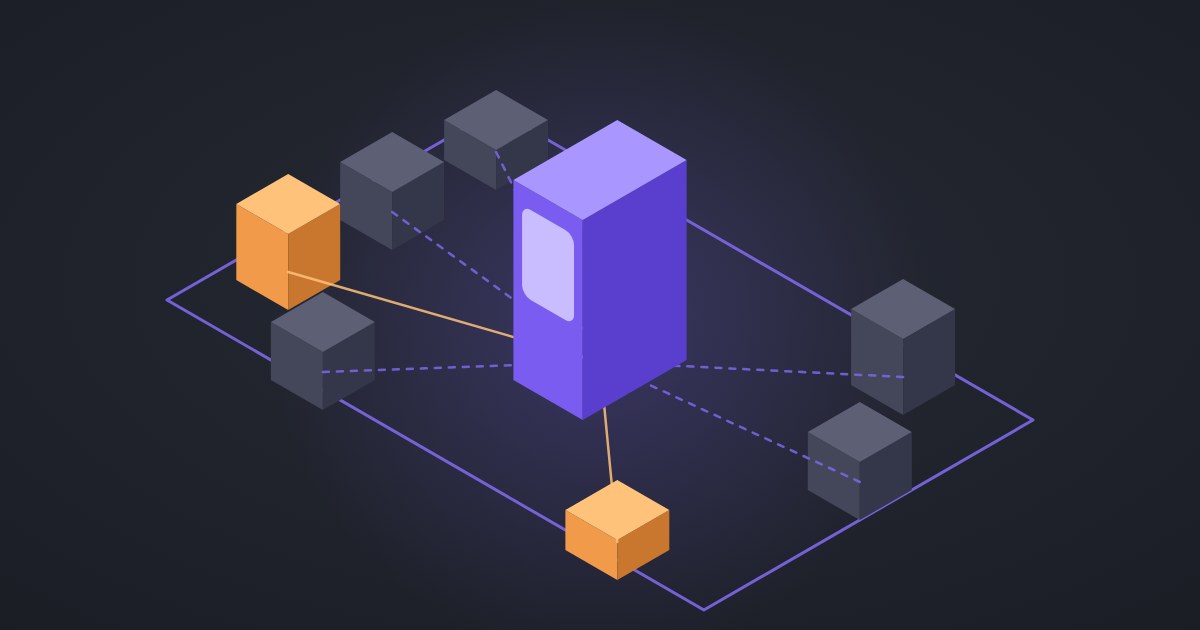
Before comparing products, write down every route a customer reaches you by today: email, phone, WhatsApp, a web form, walk-ins. Any channel that doesn't feed the system becomes a parallel, invisible queue. A tool that only swallows email solves half your problem.
2. An SLA is meaningless without defining when the clock starts
Nearly every tool claims SLA support. The right question is: when does the timer start — at ticket creation, or at first human reply? Does it pause outside business hours? Does transferring a ticket to another department reset it? If those three answers aren't configurable, your SLA report is decoration.
3. Put your org structure on paper first
Departments, branches, permission levels. Should an agent in one branch see another branch's tickets? Should a technical manager see costs? If the tool's access model doesn't match your structure, you'll either reshape the organization or work around the system — and it's always the latter.
4. Take the knowledge base seriously
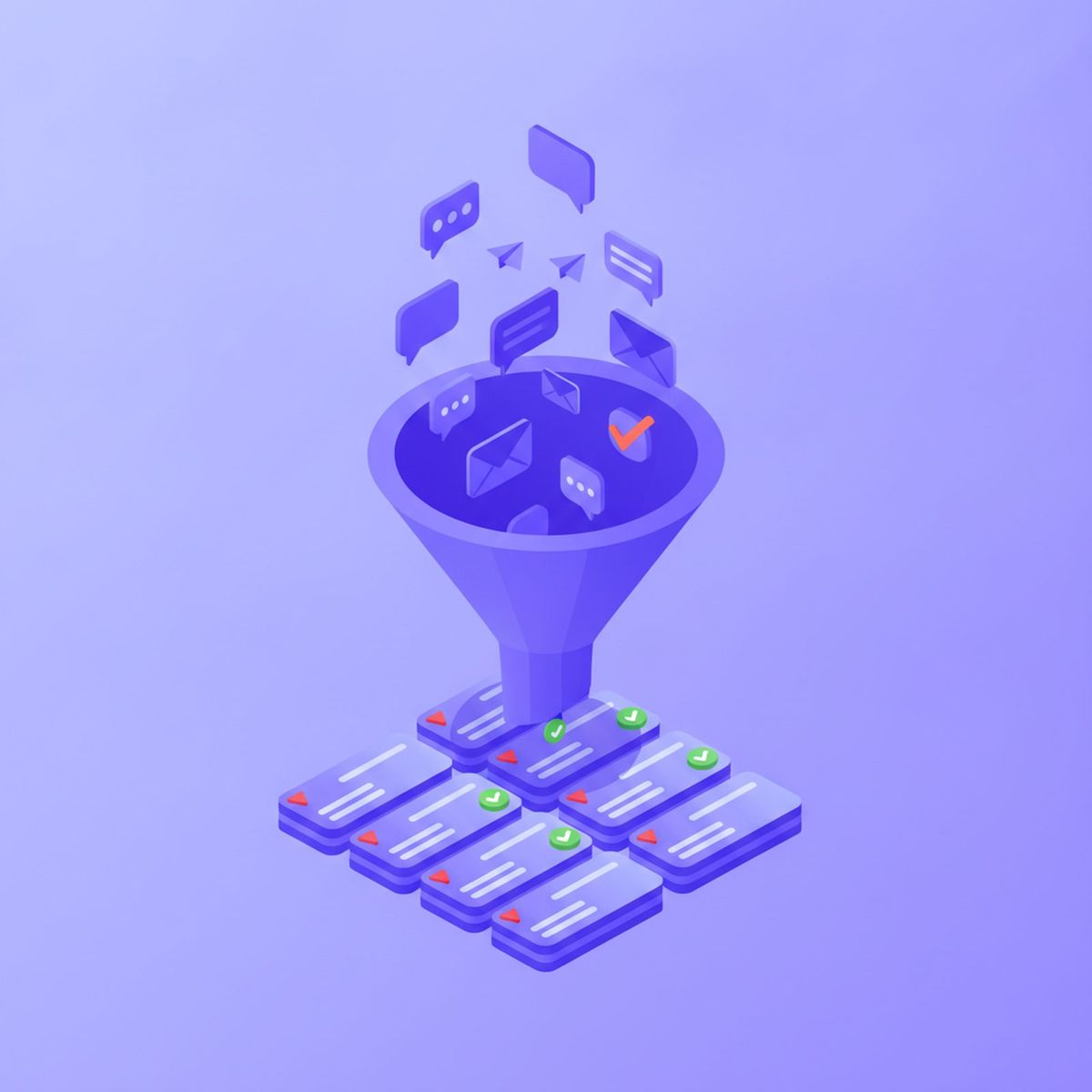
A large share of support tickets are repeats of questions someone has already answered. If the system has a knowledge base and can suggest the relevant article from inside a ticket, a lot of that load disappears before it reaches an agent. It's the one capability that grows more valuable as you scale, not less.
5. Reports that drive decisions
"Tickets today" drives no decision. These do: first-contact resolution rate, median first-response time by department, tickets at risk of breaching SLA, and the most frequent subjects this month. Without those four numbers you've bought a logging system, not a management system.
6. Migration and data exit
Ask, before buying, what a full data export looks like and how long it takes. A system that's hard to leave costs more over time than its subscription.
In short
Write these six down for your own organization before you watch another demo. The list you end up with is your comparison criteria — and it usually reveals that half of what gets discussed in sales meetings doesn't matter to you.
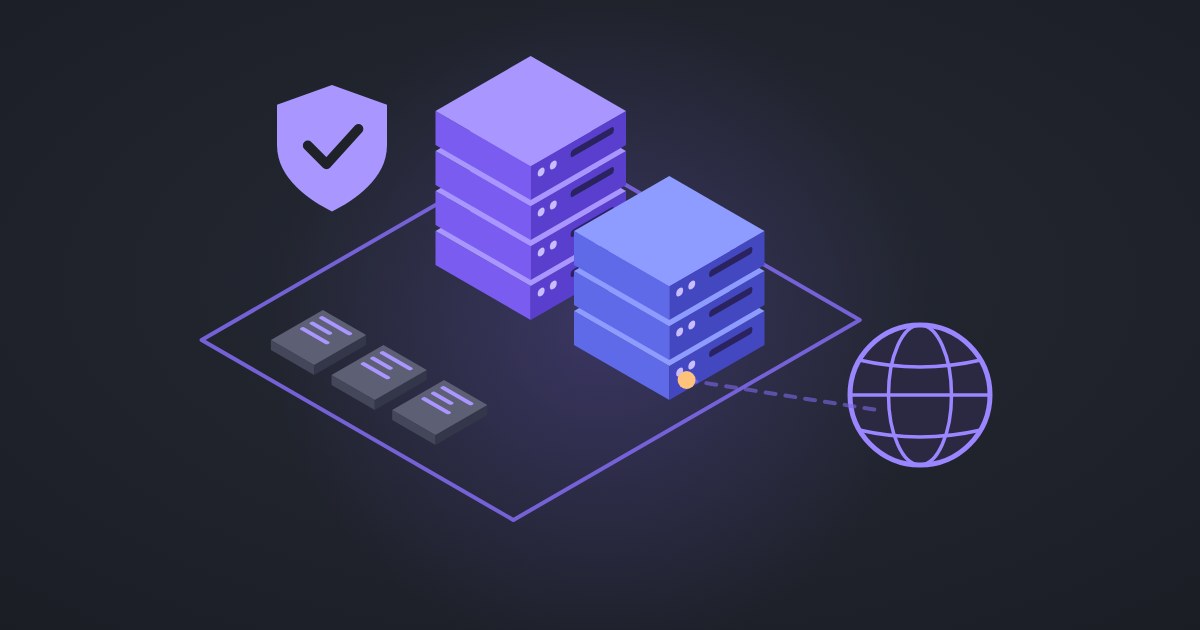
If your customers are in the UAE or Saudi Arabia, add one more question to the list: where will the ticket data, attachments and backups live?