In steel fabrication shops you hear this a lot: "We already have an ERP — what would an MES add?" The short answer is that they answer two different questions and don't replace each other.
ERP answers "what", MES answers "how and where"
ERP knows what the order is, how much material was bought, when the invoice went out and what the project costs. But when you ask "where is part B-214 right now, who welded it, under which WPS, and did it pass NDT?" the ERP is silent. Those are shop-floor questions, and they live in an MES.
Why spreadsheets work — until they don't
While a single project is running, a spreadsheet copes. It breaks when three projects overlap, the model gets revised, and somebody has to prove which material and which welder produced a part installed last month. At that point an out-of-date spreadsheet is worse than none, because people trust it.
The three capabilities that actually matter
a) BOM straight from the model. If the bill of materials is retyped by hand from the Tekla model, errors are certain and every revision means rework. Reading it directly from the model closes that loop.
b) Capture at the station, not at a desk. If a welder fills in a form at the end of the shift, you're recording memory, not reality. Capture has to happen at the station — and because shop floors rarely have reliable connectivity, it has to work offline and sync later.
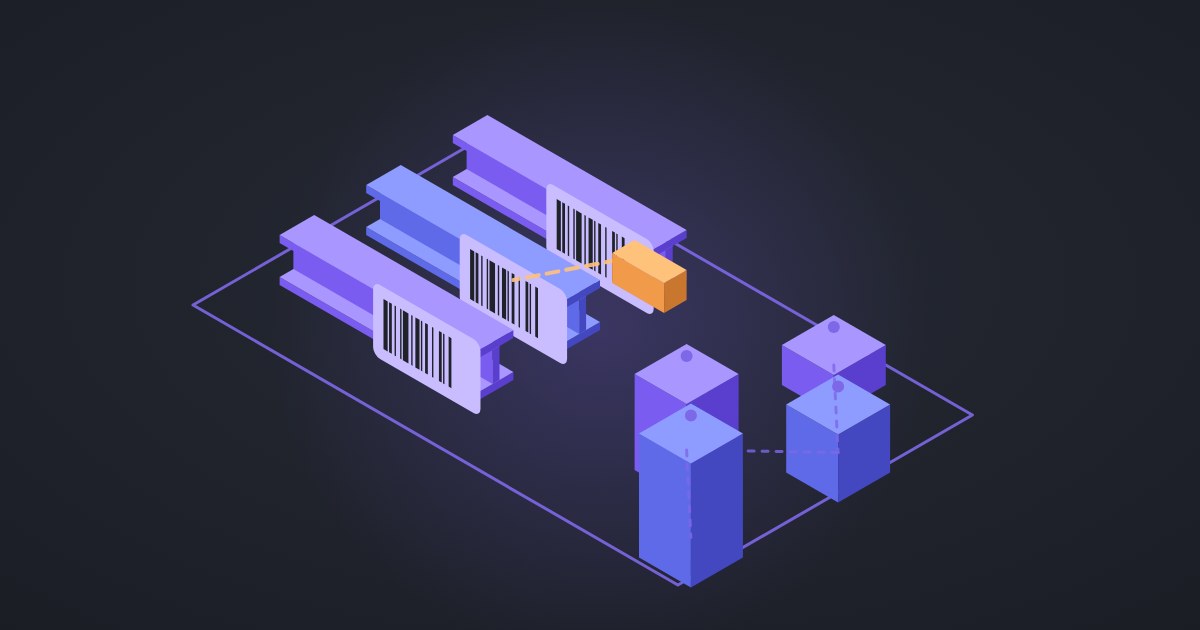
c) Traceability in both directions. From a part number you should reach the material certificate, the welder, the WPS and the NDT result — and in reverse: from a suspect material certificate to every part made from it. The reverse direction is what saves you during an inspection or a claim.
How to judge success
If, after the MES is in place, you still have to phone someone to answer "what's the status of this part?", the rollout failed. The right benchmark: any question about a part's status is answered in under a minute, without a phone call.
Where to start
Start with one project, not the whole plant. Pick a live project, import the model, define the stations, and run one month in parallel with your current method. The gap between the two reports is the best evidence you'll get for deciding whether to expand.
If you're still getting clear on what an MES actually does before comparing it with ERP, start with our plain-language guide to MES for steel fabricators.
If AI is on the roadmap too, the same shop-floor data decides whether it works. Most manufacturers already use AI but few feel ready to scale it, and data quality is the usual reason.