In mid-September the Ministry of Industry and Advanced Technology launched Factory Forward UAE, one platform that pulls the country's industrial technology programmes together: assessment, technology partners, training and financing. By the end of the month the steel sector was lining up behind it. On 29 September EMSTEEL said it is aligning its digital transformation strategy with Factory Forward, pointing to private 5G, AI-driven operations and VR training. In the same week Green Metals Industries cast its first billet at its new steel and pipe complex in KEZAD.
For a mill, those are board-level programmes. For a fabrication shop in Mussafah or Sharjah that cuts, fits and welds for those projects, the first step is smaller and arrives sooner: the Industrial Technology Transformation Index (ITTI) assessment, which sits at the front of the Factory Forward process.
What the ITTI assessment is
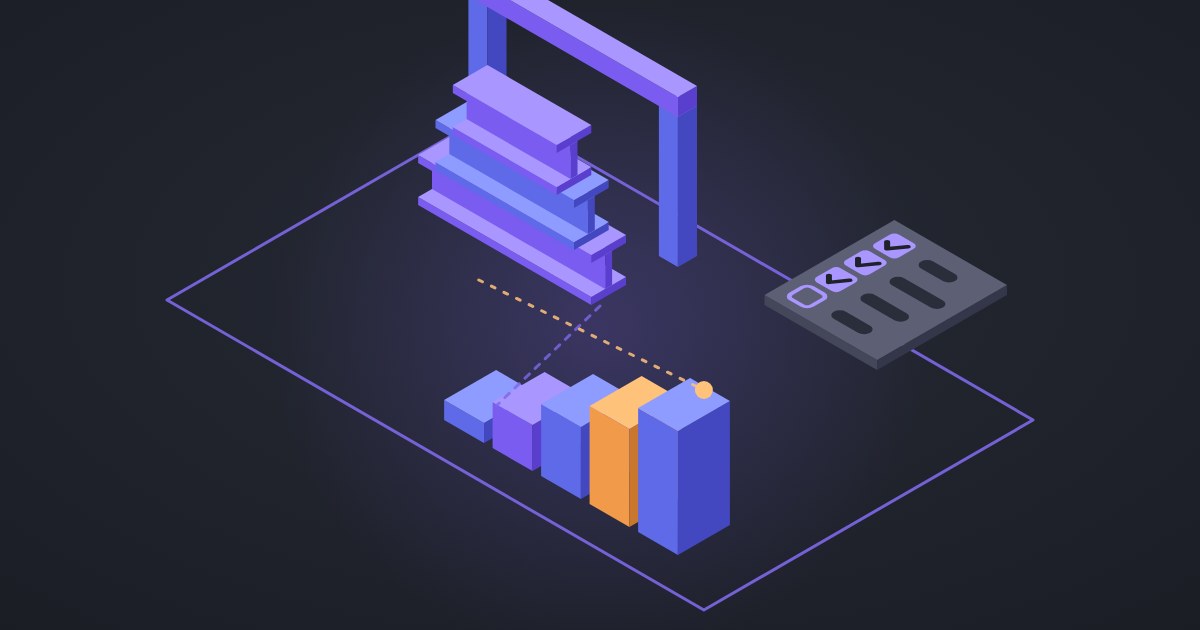
MoIAT describes ITTI as a framework of 20 dimensions, four of them about sustainability, laid out along the manufacturing value chain. A certified assessor spends one day on site and then writes a report with prioritised recommendations. The ministry piloted the index with 75 plants in eight priority sectors, around 60 of them SMEs, so it was built with small factories in mind, not only with mills.
We are not ITTI assessors and we have not seen the scoring sheet, so this is not a guide to gaming a score. It is a list of things an assessor can only judge from evidence, and the places where fabrication shops usually can't produce that evidence inside one working day.
One day is short. What you can show counts.
Most of what a fab shop does well lives in people's heads: the foreman knows where the late assemblies are, the QC engineer knows which welder is qualified for what. That knowledge is real, but an assessor can't score it. Five questions tend to show the gap quickly:
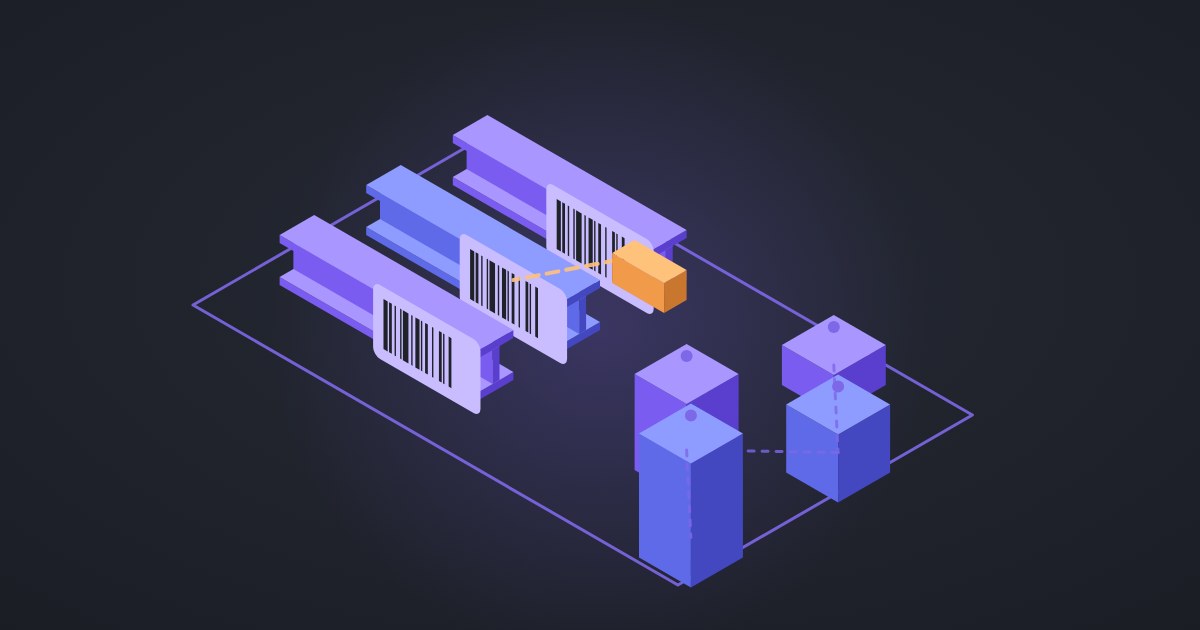
- Where is assembly B-214 right now? If the answer needs a phone call to the yard, you have production, but not visibility into it.
- Where did this parts list come from? If the BOM is retyped from a Tekla export into a spreadsheet, every retyped line is a place where the model and the floor can disagree.
- Who welded this joint, under which WPS, and was that welder qualified on that date? If the answer means pulling three binders, the link exists on paper but not in a form anyone can query.
- What happened to the last nonconformance? An NCR that was raised, fixed and closed with a recorded cause tells an assessor more than a clean month with no NCRs at all.
- What happens to your records when the network drops? If scanning stops and people write on paper "for now", the trail has a hole every time the Wi-Fi fails in the far bay.
A two-week rehearsal that costs nothing
Pick one live project. Take three assemblies and trace each one from drawing to dispatch using only records, no asking people. Write down every point where the trail breaks or someone has to remember. That list is worth more to you than the score, and it is roughly where the assessor's recommendations will point anyway.
Give the sustainability dimensions the same treatment. If you supply anything that ends up in Europe, you already feel it: CBAM reporting for steel structures wants emissions data per product, which is a record-keeping problem long before it is a technology one.
Where Fidar fits
Fidar is the MES we built for steel fabrication. It takes the BOM straight from the Tekla model, tracks each piece at each station and keeps working when the shop network is down, and ties every weld to the welder, the WPS and the NDT result, with NCR and CAPA in the same record. It won't sit the assessment for you. It gives you the trail an assessor asks to see. If MES is a new term for your team, our plain-language guide to MES is a good start; to see the station screens, take a look at Fidar.
Frequently asked questions
What is Factory Forward UAE?
A platform from the UAE Ministry of Industry and Advanced Technology, launched in September 2026, that brings the country's industrial technology programmes into one place: ITTI assessments, technology and enablement partners, and routes to financing.
How long does an ITTI assessment take?
MoIAT describes it as a one-day on-site assessment by a certified assessor, followed by a report with prioritised recommendations.
Is ITTI only for large plants?
No. The ministry's pilot covered 75 plants, around 60 of them SMEs.
Do we need an MES before the assessment?
No. The assessment measures where you are today. Running a records rehearsal on one project first tells you where the gaps are, so you can decide whether software is the fix or a process change is enough.