In a lot of industrial zones, the power grid now publishes a second calendar next to the production one: the days the zone is switched off. Sometimes it is a fixed weekday, sometimes a rotating block of hours like the load-shedding stages South African plants have planned around for years. The World Bank's Enterprise Surveys track the same thing from the other side: how many outages firms get in a typical month and what share of annual sales they lose to them.
Once cuts are scheduled rather than random, they stop being an emergency and become a planning input. The question changes from "when will this end" to "how do we lay out the week so the cut day doesn't stall the whole line, and the day after doesn't start with a floor full of half-finished work."
This note is written from the point of view of a structural steel fabrication shop, not a steel mill. Arc furnaces have their own rules. We are talking about cutting, drilling, fit-up, welding, painting and loading.
Sort the work by how much it really needs the grid
Most planners split the shop into two states, power on and power off. In practice there are three kinds of work:
- Grid-heavy: CNC plasma or oxy-fuel cutting with an electric compressor, the beam drill and band saw line, submerged-arc welding, the central compressor for blasting and spray painting. On a cut day these stop unless you own a serious generator.
- Generator-capable: manual welding on inverters, grinding, fit-up and tack welding. A mid-size generator keeps some of this going, never at full capacity.
- Almost no power: dimensional checks, visual weld inspection, marking and tagging parts, sorting and bundling loads, loading with a diesel crane or forklift, finishing quality paperwork, updating drawings.
That split alone shows the cut day doesn't have to be a lost day. If you deliberately keep the third kind of work for it, nobody stands around, and the cutting line starts the next morning with a clean queue.
Plan backwards from the cut day
The usual mistake is to build the week as normal and then treat the cut day as a day subtracted from the end. What you get is a floor covered in half-cut parts and tacked assemblies the evening before, and on the cut day nobody knows which of them can move forward.
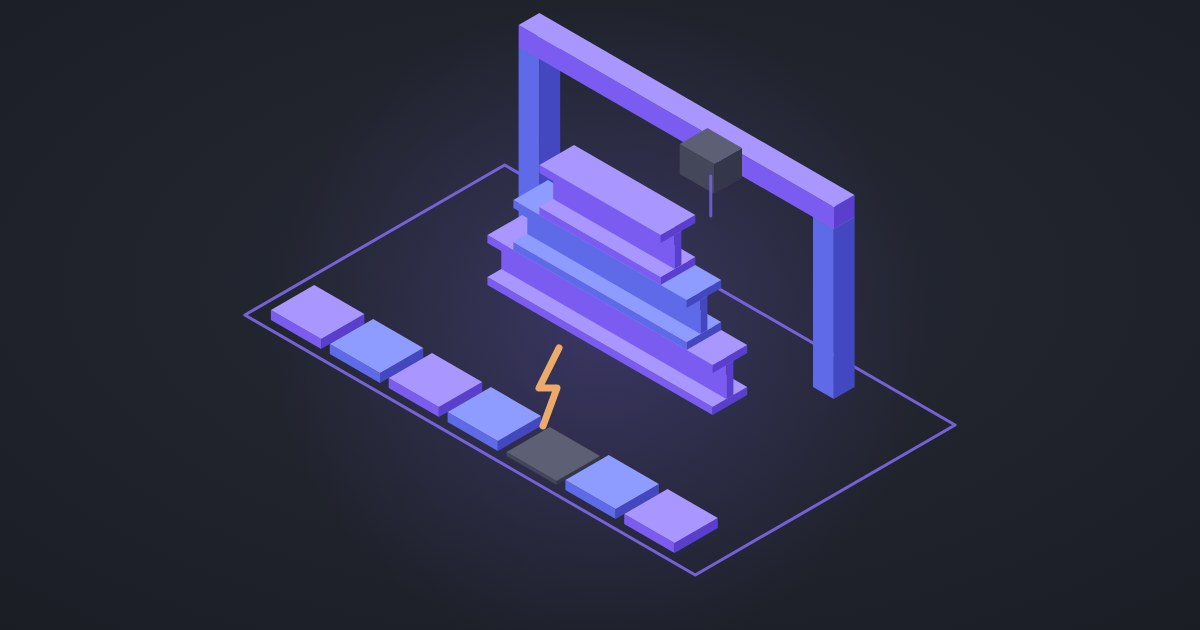
It works better when you plan backwards from the cut:
- Two days before: cut and drill the parts that will be welded the day after the cut, so welders aren't waiting on the saw when power comes back.
- The day before: main welds and anything that needs the compressor. Finished assemblies go to a marked area for inspection.
- Cut day: dimensional and visual checks on yesterday's assemblies, tagging, recording results, building loads, and a small amount of generator welding only on parts that unblock erection.
- The day after: compressor and paint line first, because inspected parts are waiting. Then restart cutting.
This only works if the supervisor knows which part is at which step. Without that, the cut day turns into everyone looking for something they can do.
Let erection sequence set priority, not whatever is easiest
When weekly capacity drops by a fifth or a sixth, the temptation is to build what is quickest so the tonnage report looks fine. For the project, that is the worst choice. The erection crew can't do anything with 20 tonnes of third-floor beams while the first-floor columns are still in the shop.
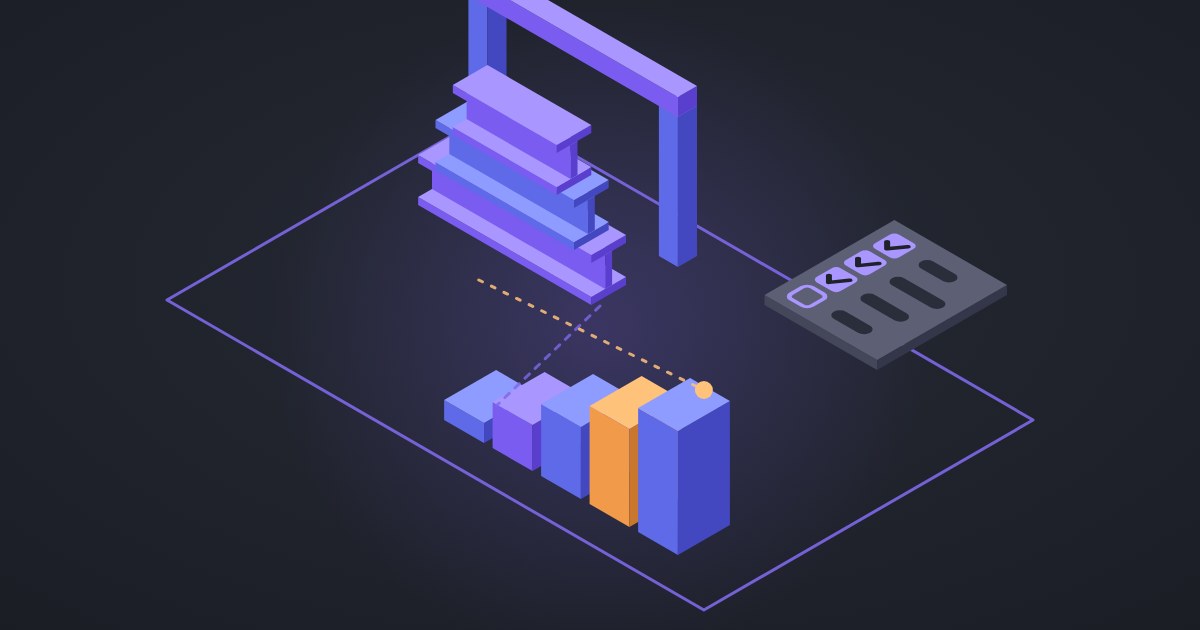
In Fidar MES we handle this with a build proposal that is simple on purpose. Parts are sorted by erection sequence and then due date, and each part is checked against stock of the same grade and profile. A part whose plate or section hasn't arrived is marked blocked, with the reason, but it doesn't hold up the parts behind it. The supervisor reviews the proposal and approves it. Nothing gets released automatically.
To be clear about limits: Fidar doesn't know your grid schedule and doesn't calculate daily capacity from power hours. That call stays with the supervisor. What the system gives you is a clear answer, when capacity is short, to which parts should be built first and which ones actually can be.
Recording shouldn't stop when the power does
In many shops the cut day is the "we'll write it up later" day. The office PC is off, the router is off, and the inspection results for 40 assemblies go on a sheet of paper that may or may not reach the system tomorrow. That is where a heat number gets separated from its part and leaves a gap in the quality dossier weeks later.
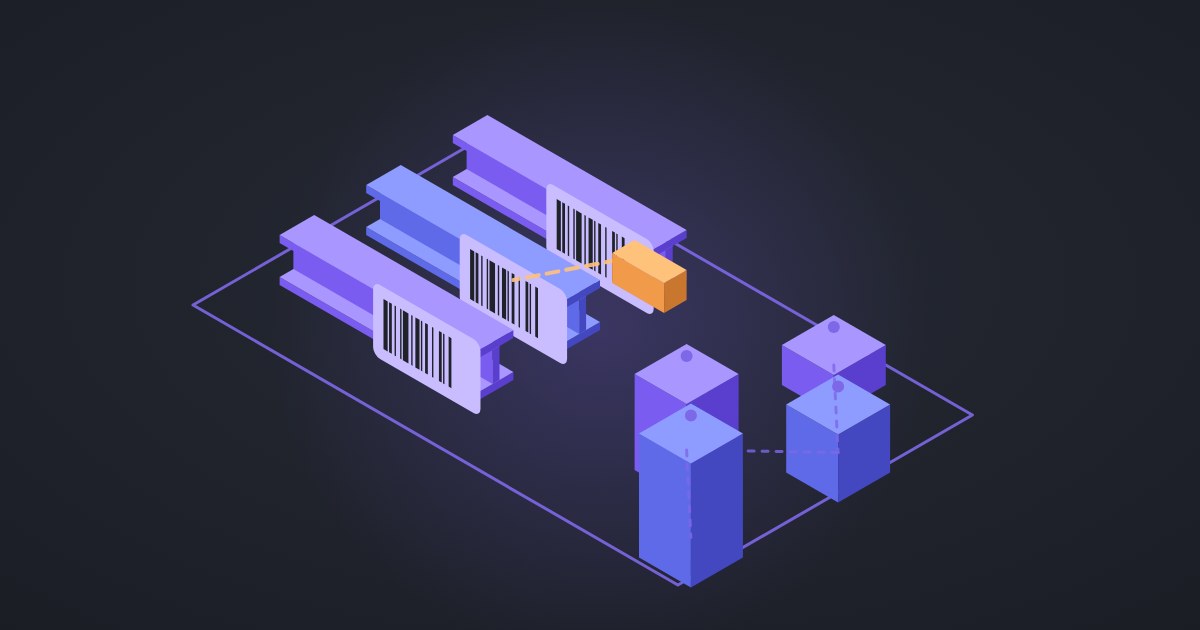
A bigger UPS for the office doesn't fix this. Recording on a device that has its own battery does: the inspector's phone or tablet, working without the network. Fidar's shop-floor app is offline-first for that reason. Label scans, part status changes and inspection results are stored on the device and sync when the connection returns. We wrote about the difference between real offline and a cached screen in this piece on offline shop floors.
Plan the cold season now
Where cuts follow demand, the pattern often flips in winter: electricity gets easier and gas gets tighter, or the other way round. For a fabrication shop, gas shows up in two places, oxy-fuel cutting and heating (including paint curing ovens). For the mills that roll your plate and sections, it hits supply directly, which can mean slower material deliveries in the months you most need them.
A few things worth doing in the next few weeks:
- Pull the list of high-volume profiles and thicknesses for winter projects from the model and bring purchasing forward. If your BOM comes straight from Tekla, that list takes minutes. If it is typed by hand, see how we removed manual BOM re-entry.
- Record usable offcuts. When material is late, a 3-metre IPE remnant with a known heat number can unblock a part. Fidar keeps any offcut above a set length as usable stock.
- Book preventive maintenance on the cutting machine and compressor for cut days. The machine is off anyway.
- Talk to the client about delivery sequence. If deliveries are locked to erection sequence, lost capacity turns into project delay less often.
Measure what the cuts cost
Lost hours are the obvious cost. In a fabrication shop the hidden cost is usually rework: a part whose edge was ruined when the plasma cut out mid-cut, a weld left half done that now needs grinding, a part that lost its tag and has to be identified again.
If every part's status change is time-stamped, after a month you can put two numbers side by side: tonnage in weeks with cuts and weeks without, and the number of NCRs raised on the day after a cut. The second number usually shows something nobody expected. In Fidar an NCR is attached to the part, and the part traces to its heat, so you can see which defect types rise after cut days.
A short list for this week
- Split shop work into grid-heavy, generator-capable and almost-no-power, and put it on the board.
- Plan the week backwards from the cut day.
- Let erection sequence set build priority, not tonnage.
- Move inspection and part status recording onto phones or tablets that work without the network.
- Start winter material purchasing and offcut recording now.
If MES is a new term for your shop, start with what an MES does in steel fabrication. To see the build proposal, the offline shop floor and heat traceability working together, have a look at the product page.